

Women's Health

Advice, information, and resources to help women navigate every stage of life, supporting both physical and mental wellbeing.
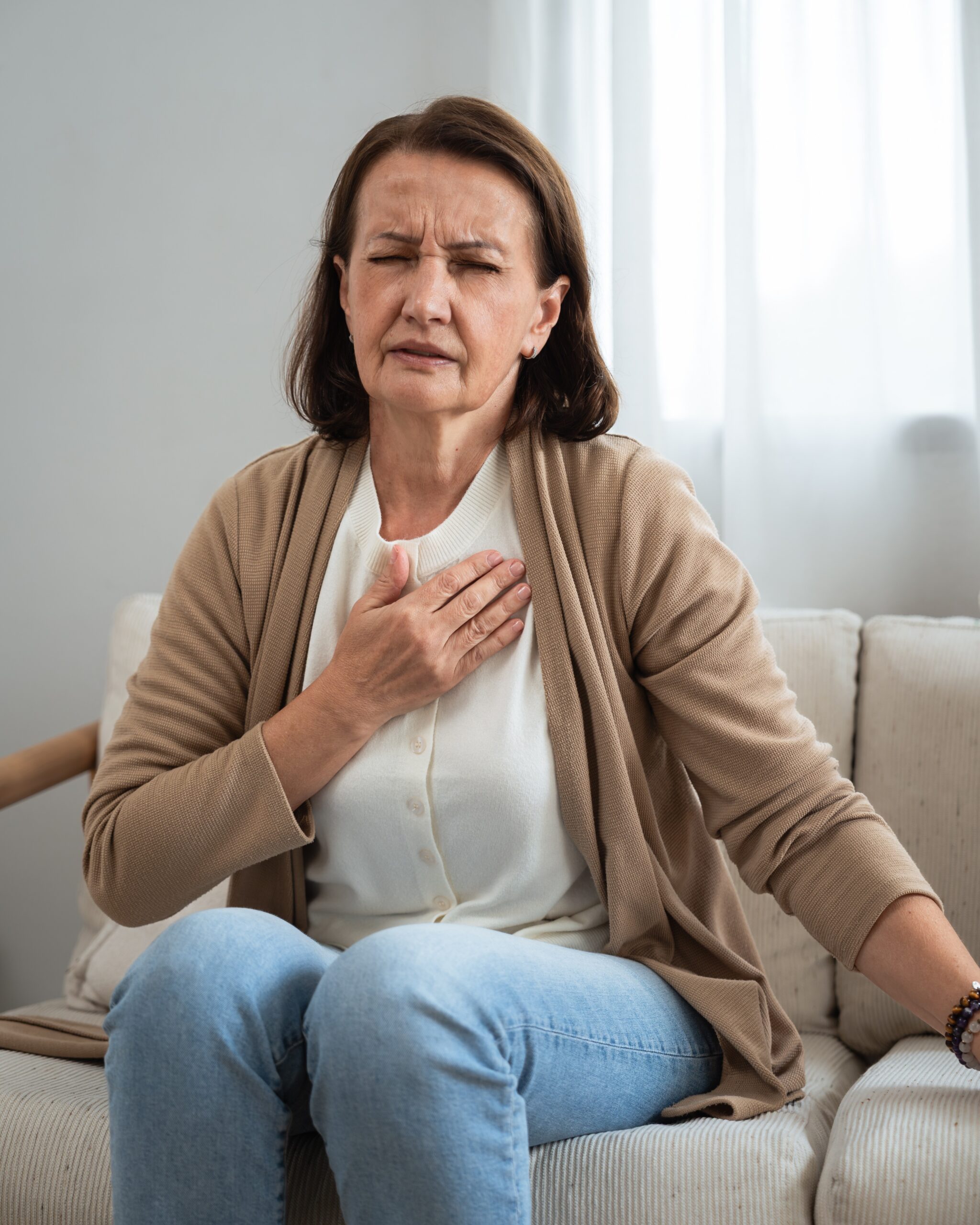



Carolyn Hodge went to her GP three times with chest pain. She was 56, caring for her father and going through menopause, and was told that she was experiencing anxiety and should try to relax.
Then she had a heart attack.
Carolyn later told the British Heart Foundation that she believed one reason she had not been taken seriously was that she was a woman going through menopause. She now encourages other women to understand their risk and speak up when something feels wrong.
Her story reflects a dangerous problem in women’s heart care. Symptoms such as chest pressure, breathlessness, sweating, nausea and light-headedness can occur during anxiety or a panic attack, but they can also signal a heart attack or another cardiovascular problem. Deciding that stress is the explanation before serious causes have been assessed can delay treatment when every minute matters.
The idea that women experience one set of heart attack symptoms and men experience another has been repeated so often that it has created a new myth.
Chest pain or discomfort remains the most common heart attack symptom in both women and men. It may feel like pressure, heaviness, tightness, squeezing or burning in the centre of the chest. It may be severe, but it can also feel less dramatic than the crushing pain often shown on television.
The pain can spread to either arm, both arms, the neck, jaw, back or stomach. Other symptoms can include shortness of breath, sweating, nausea, vomiting, dizziness, unusual weakness or overwhelming fatigue. Women are somewhat more likely than men to report symptoms such as breathlessness, nausea or back and jaw pain, sometimes without prominent chest pain, but these are not exclusively “female” symptoms.
The danger of overemphasising supposedly unusual symptoms is that women with classic chest pain may still fail to recognise themselves as heart-attack patients. Carolyn had chest pain and was still told that anxiety was the likely explanation.
Another woman, Simone Telford, had previously raised her family history of heart disease and high blood pressure, but her health problems were attributed first to asthma and later to stress and anxiety. At 42, she experienced chest pain and breathlessness during a heart attack and was found to have six critical coronary blockages before undergoing emergency bypass surgery.
Stress and anxiety can cause genuine physical symptoms. They can produce chest discomfort, a racing heart, sweating, dizziness and breathlessness. Stress can also affect cardiovascular health over time. The problem is not that clinicians consider anxiety; it is that anxiety can become a premature conclusion.
Women may not fit the outdated image of a heart-attack patient. They may be young, slim, active or without a known history of heart disease. Their symptoms may occur during a stressful period of life, making an emotional explanation appear immediately available.
Heart disease is also still widely perceived as a predominantly male problem. That misconception affects how women understand their own symptoms and can influence the response they receive from healthcare professionals.
The British Heart Foundation says a woman having a heart attack is 50% more likely than a man to receive an incorrect initial diagnosis. Its research has also identified inequalities in treatment and aftercare, meaning that the problem does not end once a woman reaches hospital.
Diagnostic bias does not mean that every woman with chest pain is having a heart attack. Most chest pain has other causes. It means that a woman’s sex, age or emotional state should not be used to rule out a serious cardiovascular problem before it has been properly considered.
A clinician assessing possible heart symptoms will want to understand when the symptoms began, what they feel like, how long they last and whether they occur during exertion or at rest. They should also consider associated symptoms such as breathlessness, nausea, sweating, dizziness or pain elsewhere in the upper body.
Risk factors can include smoking, diabetes, high blood pressure, high cholesterol, excess weight and a family history of premature heart disease. Pregnancy complications, some autoimmune conditions and menopause-related changes can also contribute to a woman’s cardiovascular risk.
Tests may include an electrocardiogram, known as an ECG, and blood tests measuring troponin, a protein released when heart muscle is damaged. Depending on the symptoms and findings, further assessment may be needed. A normal initial test does not necessarily explain every continuing or recurring symptom, and healthcare professionals must interpret results alongside the clinical history.
Women can also experience forms of heart disease that do not match the traditional model of a major artery blocked by cholesterol plaque. These include spontaneous coronary artery dissection, known as SCAD, and problems affecting the smaller vessels of the heart. Women are more likely than men to experience some causes of heart attack that do not involve a typical obstructive blockage.
Call 999 for sudden chest pain or discomfort that does not go away, particularly where it feels like pressure, tightness, heaviness or squeezing. Emergency help is also needed if pain spreads to the arms, neck, jaw, back or stomach, or is accompanied by sweating, nausea, severe breathlessness, light-headedness or collapse.
Do not drive yourself to A&E. Ambulance teams can begin assessing and treating a suspected heart attack and take the patient to the hospital best equipped to provide the care required.
Symptoms do not have to be unbearable before they justify an emergency call. A heart attack can begin with discomfort rather than dramatic pain, and symptoms may come and go. Waiting to see whether they become severe can lose valuable treatment time.
Where chest discomfort is recurring, linked to activity and relieved by rest, it could be angina and requires medical assessment. Anyone experiencing chest pain who has not previously been diagnosed with angina should follow urgent NHS advice rather than assuming that rest has resolved the problem.
No patient should have to find the perfect phrase to receive safe care, but being clear can help. Explain the physical symptoms first, including their onset, duration and what makes them better or worse. Mention any pain spreading to the arm, jaw, back or stomach, and any sweating, breathlessness, nausea or dizziness.
It is also reasonable to state: “This feels different from anxiety I have experienced before,” or to ask: “What serious heart-related causes have been considered?” A woman whose symptoms continue, worsen or return should seek further medical help rather than relying on an earlier reassurance that no longer fits what she is experiencing.
Clinicians, meanwhile, need to resist treating “stress” as a diagnosis of convenience. Anxiety and heart disease can coexist, and a patient who appears frightened may be frightened because something dangerous is happening.
As British Heart Foundation associate medical director and consultant cardiologist Dr Sonya Babu-Narayan has warned, the odds remain different for women despite decades of improvements in heart-attack care. Misconceptions about who develops heart disease can affect awareness, diagnosis and treatment.
Carolyn was experiencing stress. She was also having symptoms of heart disease. One did not cancel out the other.
That is the lesson women and clinicians both need to remember: stress may be part of the story, but it should not be used to close the case before the heart has been taken seriously.
Medical disclaimer: This article is for general information only and is not a substitute for individual medical advice, diagnosis or treatment. Call 999 immediately if you think you or someone else may be having a heart attack. Do not drive yourself to A&E.
Wellbeing looks different for everyone, and sometimes the most useful thing is simply finding the right information at the right time. Explore more from Daily Round with our dedicated Women’s Health, Men’s Wellbeing and Wellbeing for Leaders sections, or head to the Leaders Library for our latest book recommendations, ideas and inspiration for life in and outside work.
Posted by:
Mehala
Editorial Assistant – The Daily Round
Busy day? We’ve got you covered. Get FREE daily news, practical insights, opportunities and wellbeing content, carefully curated for busy health and social care professionals. Just enter your details below to get The Daily Briefing delivered straight to your inbox.
 newsdesk@dailyround.news