

Everyday Wellbeing

Advice, information, and resources to help women navigate every stage of life, supporting both physical and mental wellbeing.
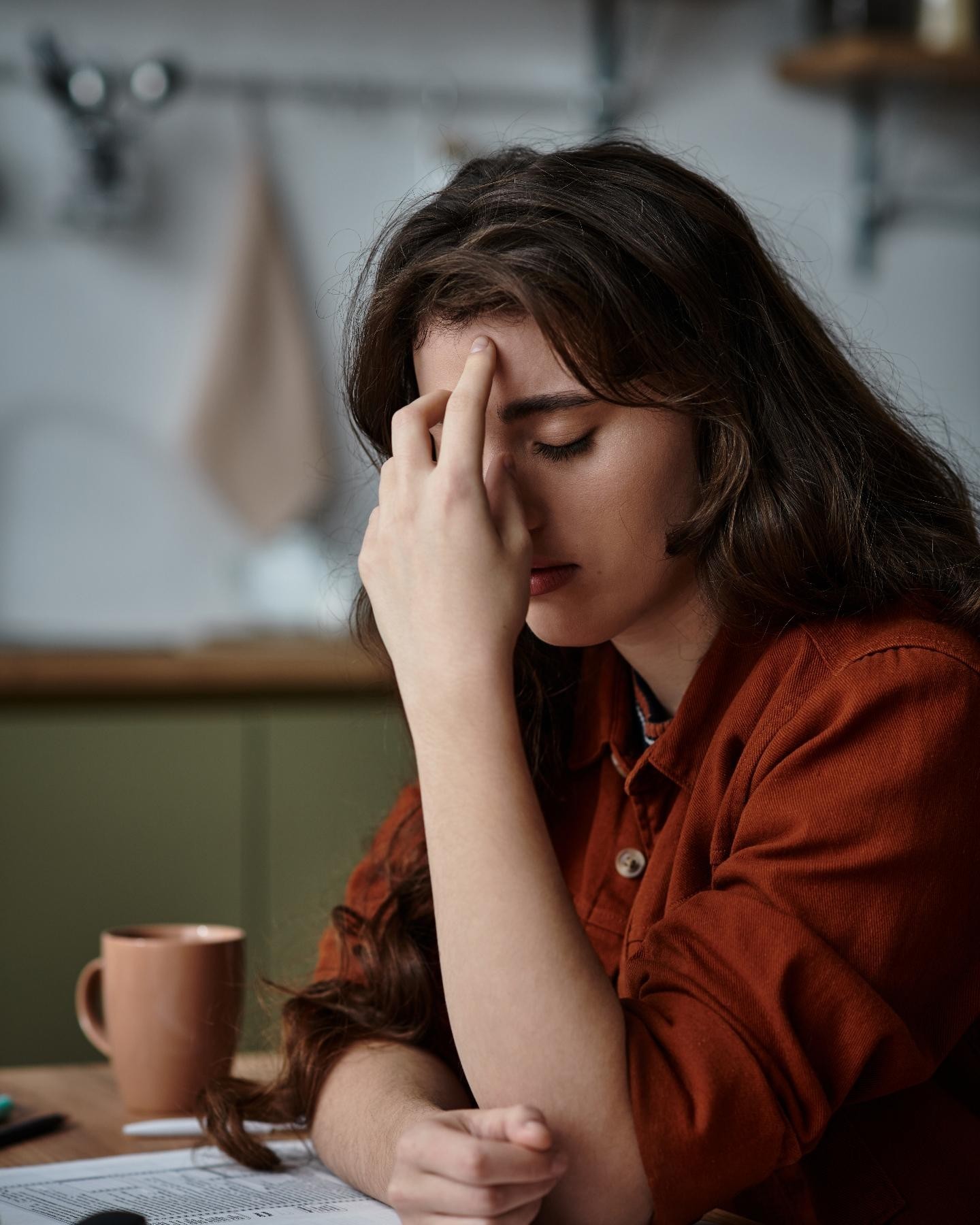



For many healthcare workers, feeling tired comes with the job.
Long shifts, busy wards, emotional demands and disrupted sleep can all leave you feeling exhausted. But if you’re constantly tired—even after you’ve had time to rest—it may be worth asking whether something else is going on.
Iron deficiency is one of the most common nutritional deficiencies worldwide and is particularly common in women of childbearing age. It can develop gradually, meaning symptoms are often mistaken for the effects of a demanding lifestyle.
Iron is essential for producing haemoglobin, the protein in red blood cells that carries oxygen around the body.
Women are more likely to become iron deficient because of blood loss during menstruation, particularly if periods are heavy. Pregnancy also increases the body’s iron requirements, while some medical conditions and dietary factors can affect how much iron is absorbed.
For healthcare workers, it can be easy to assume that persistent tiredness is simply “part of the job” when, in reality, there may be an underlying cause worth investigating.
Iron deficiency can develop slowly, and symptoms vary from person to person. They may include:
These symptoms can also be caused by many other conditions, so it’s important not to self-diagnose.
Heavy menstrual bleeding is one of the most common causes of iron deficiency in women.
According to the NHS, signs that your periods may be unusually heavy include regularly soaking through sanitary protection, needing to change protection during the night, passing large blood clots, or bleeding for longer than around seven days.
If heavy periods are affecting your daily life or are accompanied by symptoms of iron deficiency, it’s important to speak to your GP.
Eating iron-rich foods can help maintain healthy iron levels, although diet alone may not correct iron deficiency if there is significant blood loss or another underlying cause.
Good dietary sources of iron include:
Vitamin C helps the body absorb iron from plant-based foods, so combining foods such as peppers, oranges, strawberries or broccoli with meals may improve absorption.
Tea and coffee consumed with meals can reduce iron absorption, so some people may benefit from drinking them between meals instead.
If you’ve been feeling persistently tired for several weeks, particularly if rest isn’t helping, it’s worth discussing your symptoms with your GP or another healthcare professional.
They may recommend blood tests if your symptoms suggest iron deficiency or another underlying condition. A simple blood test can help identify whether iron deficiency anaemia—or another cause of fatigue—is present.
It’s also important to seek medical advice if you experience:
Healthcare professionals are often quick to reassure colleagues that they should “get checked,” yet many don’t follow that advice themselves.
If your body is telling you something feels different, it’s worth listening.
Most cases of tiredness are not caused by anything serious, but persistent fatigue deserves proper assessment rather than being dismissed as another consequence of a busy shift.
“For months, I convinced myself I was simply tired because I was busy. Running businesses, raising a son and juggling everyday life, exhaustion felt almost normal. When my GP diagnosed iron deficiency and started me on iron tablets, I remember thinking it felt as though someone had switched the lights back on. My energy didn’t return overnight, but over time I realised just how exhausted I’d actually been. It’s a reminder that sometimes we normalise symptoms that deserve to be checked.” Jill Newey
This article is provided for general information, personal research and editorial opinion only. It is not intended to replace professional medical advice, diagnosis or treatment. Fatigue has many possible causes, and iron deficiency is just one of them. If you have persistent tiredness, heavy periods or other concerning symptoms, speak to your GP or another qualified healthcare professional. In an emergency, call 999 or attend your nearest emergency department.
Posted by:
M Ramalani
Editorial Assistant – The Daily Round
Busy day? We’ve got you covered. Get FREE daily news, practical insights, opportunities and wellbeing content, carefully curated for busy health and social care professionals. Just enter your details below to get The Daily Briefing delivered straight to your inbox.
 newsdesk@dailyround.news