

Women's Health

Advice, information, and resources to help women navigate every stage of life, supporting both physical and mental wellbeing.
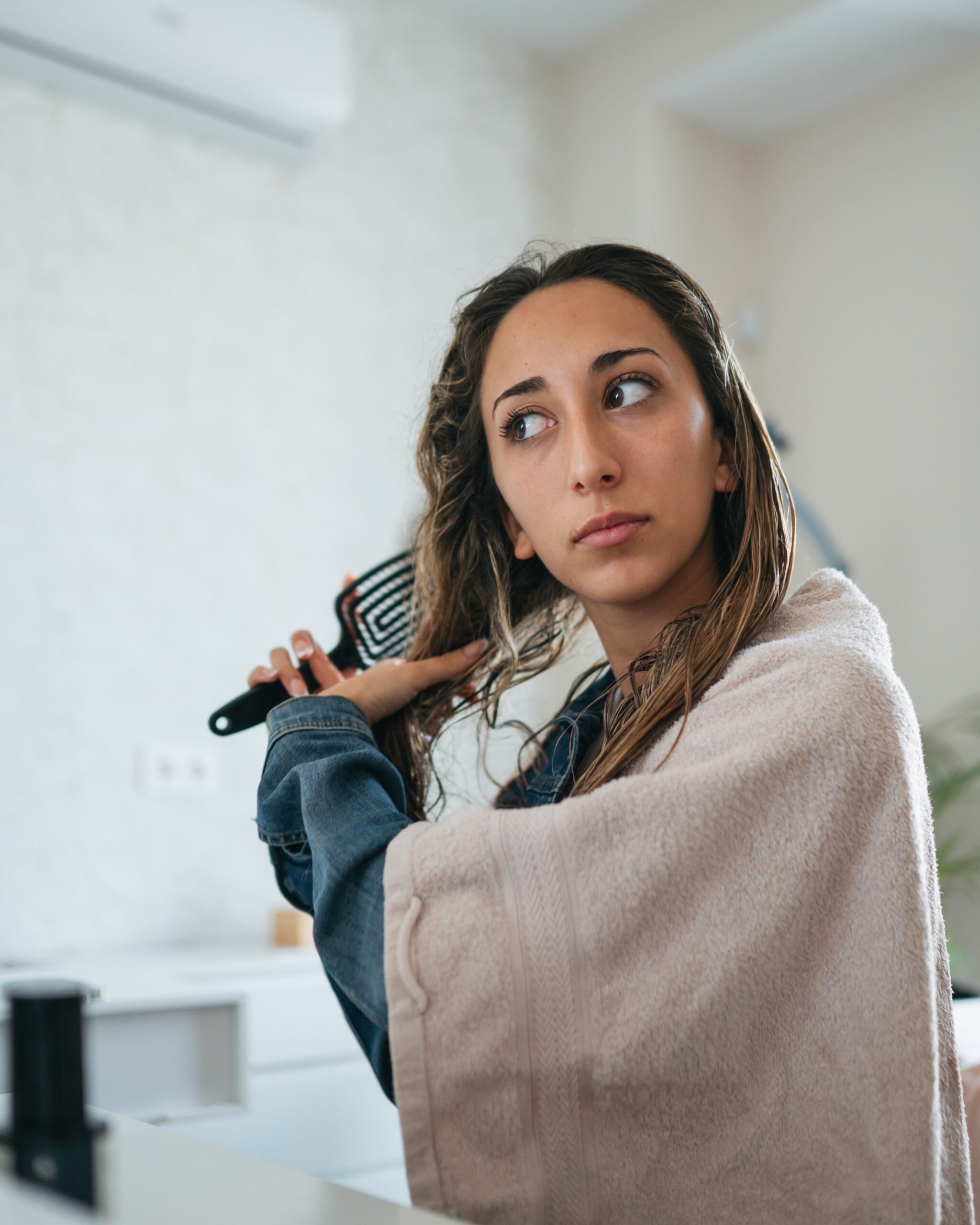



It begins with more hair in the shower. Then it is wrapped around the hairbrush, caught in the plughole and clinging to the back of a jumper. A photograph confirms that the parting looks wider, or the ponytail feels noticeably thinner. Before a woman has spoken to a doctor, her social-media feed appears to know what is happening.
Suddenly, every other video offers a solution. There are rosemary oils, caffeine serums, collagen powders, biotin gummies, scalp massagers and red-light helmets. Influencers display dramatic before-and-after pictures and promise thicker hair within weeks, often alongside a discount code and a warning that the product is about to sell out.
The problem is that hair loss is not one condition. Postpartum shedding, female-pattern hair loss, nutritional deficiency, thyroid disease, alopecia areata and hair breakage can look similar to an untrained eye but require very different responses. A product cannot reliably treat the cause if nobody has established what the cause is.
One common explanation is telogen effluvium, a form of excessive shedding that can happen after the body experiences physical or emotional stress. Childbirth, illness, surgery, marked weight loss, extreme dieting, some medicines and major life events can all trigger it. The shedding often begins several months after the event, which means women may not immediately connect the two.
Postpartum hair shedding is a familiar example. During pregnancy, hormonal changes can keep more hairs in the growth phase, making hair appear thicker. After the birth, falling oestrogen levels cause more hairs to enter the shedding cycle. The loss often peaks around four months postpartum, and most women see their hair return towards its normal fullness by their baby’s first birthday.
Rapid weight loss can have a similar effect, particularly where the body is adapting to a sharp reduction in calories or is not receiving enough protein, iron or other nutrients. This has become a frequent subject online alongside the growing use of weight-loss medicines. The medicine itself should not automatically be blamed: the speed of weight loss, nutritional intake, illness and other health factors may all contribute. Anyone concerned about hair loss while taking prescribed medication should speak to the prescriber rather than stopping it suddenly.
Hair thinning around menopause may be more gradual. Female-pattern hair loss commonly causes a widening parting and reduced density across the top of the scalp. It is influenced by genetic and hormonal factors and becomes more common with age, although women can develop it earlier. Without treatment it may progress, which is why early diagnosis can matter.
Other causes include thyroid problems, iron deficiency, polycystic ovary syndrome, autoimmune alopecia, scalp conditions, tightly pulled hairstyles and damage from chemical or heat treatments. Some women experience more than one type of hair loss at the same time.
The answer depends entirely on what is in the bottle and why the hair is being lost.
Many cosmetic serums coat or condition the hair, reduce breakage or make strands look fuller. That may improve the appearance of thinning hair without changing the activity of the follicle beneath the scalp. A shinier, less brittle strand is not the same as new hair growth.
Rosemary oil has become one of the most heavily promoted ingredients. There is some limited research suggesting that it may have potential for certain forms of pattern hair loss, but the evidence is nowhere near as extensive as online advertising often implies. Essential oils can also irritate the scalp, particularly when applied undiluted.
The same caution applies to caffeine, peptide and botanical serums. A laboratory study showing an effect on cells or hair follicles does not prove that a commercial product will reverse hair loss in real women. Concentration, formulation, frequency of use and the underlying diagnosis all matter.
Minoxidil is different because it has established evidence for female-pattern hair loss. It can slow loss and promote some regrowth, although it does not work for everyone and usually takes months to show an effect. Its benefits generally last only while treatment continues. Women should seek medical or pharmaceutical advice before using it, particularly during pregnancy, while trying to conceive or when breastfeeding.
Supplements are particularly easy to market because they offer a simple explanation: if hair is falling out, the body must be missing something. Sometimes it is. Iron, zinc, biotin, protein and other nutritional deficiencies can contribute to hair loss, and correcting a confirmed deficiency may help.
However, taking more of a nutrient does not necessarily produce more hair when a person already has enough. The American Academy of Dermatology advises that biotin, iron or zinc should generally be taken for hair loss when testing shows a deficiency. Excessive amounts of some nutrients can be harmful and may even worsen hair loss.
Biotin deficiency is considered rare. High-dose biotin supplements can also interfere with some blood tests, potentially producing misleading results. Anyone taking them should tell the healthcare professional requesting the test.
Collagen products may contain useful protein, but claims that a particular powder will regrow lost hair remain much stronger than the evidence. A woman losing hair after rapid weight loss may need an assessment of her overall nutrition rather than an expensive supplement containing small amounts of several highly marketed ingredients.
Low-level laser or light therapy may help some people with hereditary pattern hair loss. Small studies have reported improvements in hair density or thickness, and dermatologists consider the technology potentially useful for selected patients. It is not, however, a universal treatment for every cause of shedding.
At-home devices can cost hundreds of pounds and generally require repeated use over many months. Results vary, long-term evidence remains limited and continued treatment may be needed to maintain any benefit. Regulatory wording also deserves careful attention: a device described as “cleared” for sale has not necessarily passed the same evidential threshold consumers may associate with an approved medicine.
A device intended for female-pattern hair loss is unlikely to correct shedding caused by iron deficiency, a thyroid condition or a recent birth. The danger is not only wasting money; it is losing time while a treatable cause goes unrecognised.
The central dermatology message is less exciting than a viral cure but far more useful: identify the type of hair loss before choosing the treatment. Dermatologists can examine the pattern of loss, the scalp and the hair shafts and decide whether further investigation is needed. Depending on the history, this may include blood tests for possible deficiencies or underlying medical conditions.
Women should consider speaking to a GP or dermatologist if the loss is sudden, severe, patchy or continuing; if the scalp is painful, inflamed, itchy or scaly; if there is scarring; or if the eyebrows and eyelashes are also affected. Medical advice is also sensible where hair loss accompanies fatigue, heavy periods, significant weight change, irregular cycles or other new symptoms.
Women experiencing postpartum shedding may be reassured that it is often temporary, but they should seek advice if normal fullness has not begun returning by around a year after the birth or if the pattern suggests something more than general shedding.
Gentle hair care can help prevent additional breakage while the cause is investigated. This may include avoiding tight hairstyles, reducing high heat and harsh chemical treatments and handling wet hair carefully. These steps cannot treat every form of hair loss, but they can prevent avoidable damage.
Hair loss can have an enormous emotional effect, particularly when women feel they are being told that it is merely cosmetic. It is reasonable to want help, and understandable to be tempted by a product offering certainty at a frightening moment.
But the most honest answer is that no viral serum, gummy or glowing helmet treats every reason a woman’s hair may fall out. The feed knows that she is worried. It does not necessarily know what is wrong.
Medical disclaimer: This article is for general information only and is not a substitute for individual medical advice, diagnosis or treatment. If you are concerned about hair loss or other symptoms, contact your GP, pharmacist, dermatologist or another qualified healthcare professional. Do not stop prescribed medication without speaking to the clinician responsible for your care.
Wellbeing looks different for everyone, and sometimes the most useful thing is simply finding the right information at the right time. Explore more from Daily Round with our dedicated Women’s Health, Men’s Wellbeing and Wellbeing for Leaders sections, or head to the Leaders Library for our latest book recommendations, ideas and inspiration for life in and outside work.
Posted by:
Mehala
Editorial Assistant – The Daily Round
Busy day? We’ve got you covered. Get FREE daily news, practical insights, opportunities and wellbeing content, carefully curated for busy health and social care professionals. Just enter your details below to get The Daily Briefing delivered straight to your inbox.
 newsdesk@dailyround.news