

Women's Health

Advice, information, and resources to help women navigate every stage of life, supporting both physical and mental wellbeing.
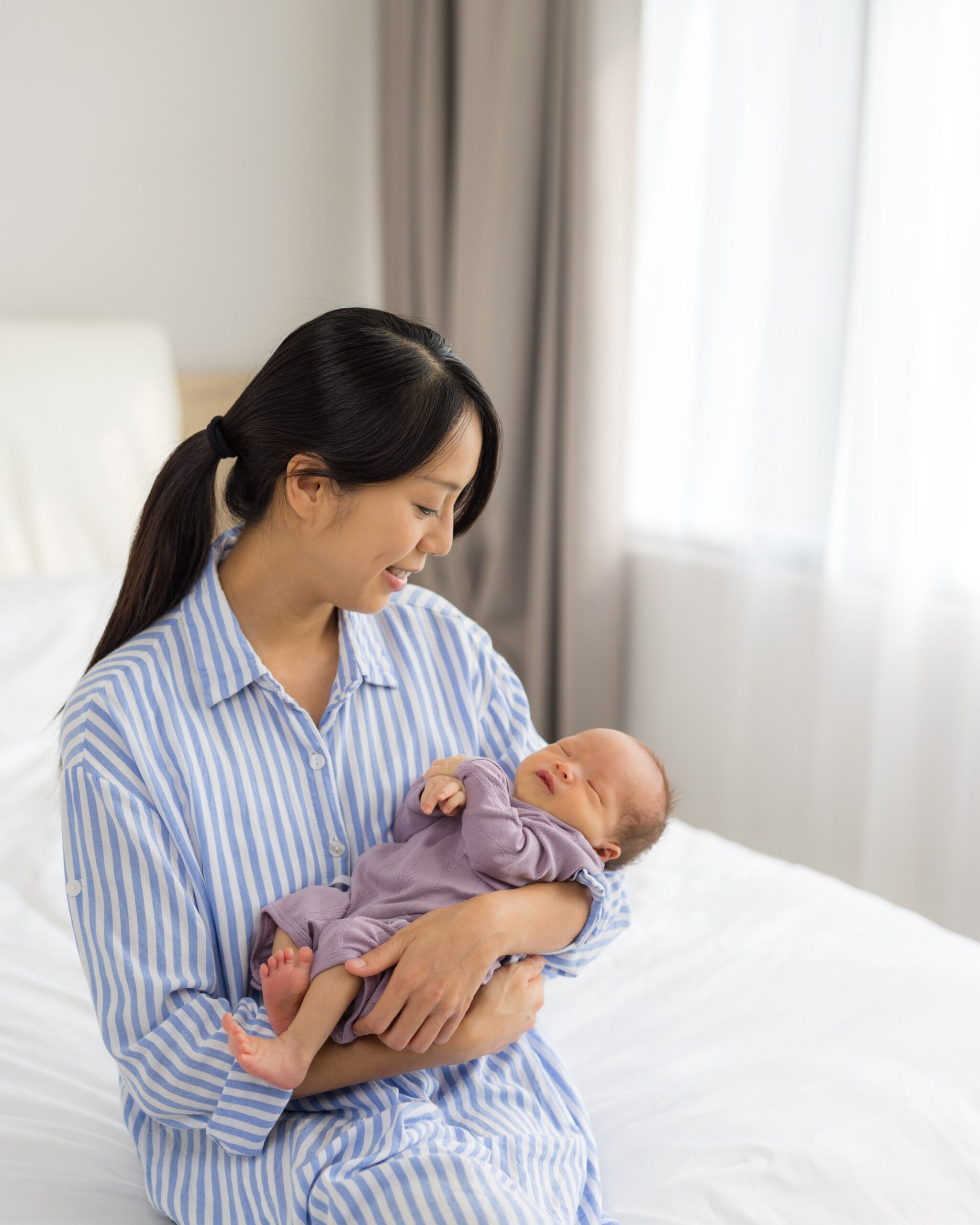



I thought the pain would end once the baby was born. Everyone had warned me about labour, contractions and the moment of delivery, but nobody had explained what it might feel like afterwards. Nobody told me that sitting down could hurt, that going to the toilet could become something I dreaded or that I might leak urine simply by coughing. When I said I was still in pain, people smiled sympathetically and reminded me that I had just had a baby. I began to wonder whether I was supposed to accept this as the price of becoming a mother.
This is not one woman’s story. It reflects an experience shared quietly by many new mothers who find that the attention moves almost entirely to the baby while their own pain is treated as an expected part of recovery. Some discomfort after birth is normal, but persistent pain, incontinence, pressure, wound problems and difficulty having sex should not be dismissed simply because childbirth places enormous demands on the body.
Birth injuries can affect women after vaginal and caesarean deliveries. They may include perineal tears, episiotomy pain, pelvic-floor damage, pelvic organ prolapse, bladder or bowel incontinence, abdominal separation, nerve pain, pelvic-girdle pain and complications affecting a caesarean wound. Some injuries are identified immediately. Others only become apparent after a woman has gone home and begun trying to care for her baby.
Perineal tears can range from injuries affecting the skin and muscle to serious third- or fourth-degree tears involving the anal sphincter. Most women with severe tears recover well, but some experience difficulty controlling wind or their bowels, urgency, pain or anxiety about returning to sex. These symptoms can feel embarrassing, which means women may wait months or years before asking for help.
Pain during sex is also common in the early months following a tear or episiotomy, but “common” does not mean that a woman must continue enduring it. Scar tissue, pelvic-floor tension, vaginal dryness and fear following a traumatic birth can all contribute. Women should not feel pressured to resume sex before they are ready, and pain that persists should be discussed with a health professional.
Other women describe leaking urine when they cough, laugh or exercise. Some struggle to control wind or stool, while others experience a dragging sensation or feel a bulge inside the vagina. These can be signs of pelvic-floor dysfunction or pelvic organ prolapse. The NHS says pelvic-floor exercises can help with incontinence and prolapse, but women who are unsure whether they are doing them correctly may benefit from specialist assessment rather than being handed a leaflet and expected to manage alone.
Caesarean birth carries its own recovery challenges. Pain around the wound is expected initially, but some women experience ongoing scar pain, numbness, pulling sensations, abdominal weakness or pelvic pain. A caesarean may avoid a perineal tear, but it does not guarantee that the pelvic floor will be unaffected, because pregnancy itself places pressure on the muscles and supporting tissues.
The effect is not only physical. A woman who is frightened to leave the house in case she leaks, unable to sit comfortably to feed her baby or anxious about being touched may also experience isolation, loss of confidence and distress. NICE advises healthcare professionals to discuss the psychological impact of pelvic-floor symptoms and take it into account when planning treatment.
Women do not need to wait for the six-to-eight-week postnatal check before raising a concern. A midwife, health visitor, GP or maternity service can be contacted sooner if pain is severe, worsening or affecting daily life.
Medical advice should be sought urgently where there is heavy or suddenly increasing bleeding, fever, a wound that appears to be opening, offensive or unusual discharge, worsening redness or swelling, difficulty passing urine, severe pain, chest pain, breathlessness or pain and swelling in one leg. Increasing pain around perineal stitches, feeling unwell and yellow or green discharge can indicate infection or wound breakdown and should not be ignored.
Symptoms that are less urgent still deserve attention. Women should ask for help if they are leaking urine, stool or wind; experiencing pain during sex; feeling vaginal heaviness or a bulge; struggling with persistent pelvic, back or scar pain; or finding that their symptoms prevent them from walking, exercising, working, sleeping or caring for their baby.
The six-to-eight-week GP postnatal check should include an assessment of the woman’s physical and psychological health. This is an opportunity to raise birth injuries, pain, continence, wound healing, pelvic-floor symptoms and the emotional impact of the birth. However, a short appointment may not uncover problems unless women are asked directly or feel able to speak openly.
It can help to describe the effect of the symptoms clearly: “I cannot sit without pain”, “I am leaking every day”, “I feel pressure in my vagina” or “sex is still painful”. These statements are harder to dismiss than a general comment that recovery does not feel right.
Women experiencing bladder, bowel, prolapse or pelvic-pain symptoms can ask for a referral to a pelvic-health or women’s-health physiotherapist. Specialist physiotherapy can assess pelvic-floor strength and coordination, teach exercises correctly, address scar tissue and help women return safely to movement and exercise. Following an assisted birth, the NHS says women experiencing urinary incontinence should be offered physiotherapy, including advice on pelvic-floor exercises.
Some areas now have NHS perinatal pelvic health services, although access and referral arrangements differ. Depending on the symptoms, a GP may also refer a woman to urogynaecology, gynaecology, urology, a colorectal specialist or a dedicated perineal-tear clinic. Women with a third- or fourth-degree tear should receive appropriate follow-up, particularly if they have bowel urgency, leakage, pain or concerns about a future pregnancy.
Treatment will depend on the injury. It may include specialist exercises, pain management, treatment for infection or wound problems, support for constipation, scar management, a vaginal pessary for prolapse or, in some cases, surgery. Pelvic-floor physiotherapy is not limited to teaching women to perform more squeezes; the pelvic floor can also become tight or poorly coordinated, and the correct treatment should follow an individual assessment.
Women can also request a birth debrief if they are struggling to understand what happened during labour and delivery. The name and availability of these services vary between NHS trusts, but a debrief can give women an opportunity to review their maternity notes and discuss the events with an appropriate clinician. It is not a substitute for physical treatment or formal investigation, but it may help answer questions that continue to cause distress.
Where the birth or injury has had a significant emotional impact, support may be available through a GP, health visitor, talking-therapy service or specialist perinatal mental health team. Physical and psychological recovery should not be treated as separate when pain, incontinence or trauma is affecting a woman’s relationships, confidence and ability to leave home.
Childbirth can leave the body sore, bruised and exhausted, and healing does take time. But women should not be expected to decide for themselves which symptoms are normal while caring for a newborn and surviving on broken sleep.
Persistent pain is not a personal failure. Leaking urine is not simply something every mother must learn to live with. Painful sex is not an obligation, and bowel symptoms should never be hidden because they feel too embarrassing to mention.
Women deserve honest information before birth, proper assessment afterwards and access to treatment when recovery does not go as expected. The baby may have been delivered safely, but maternity care should not end with the assumption that the mother will eventually heal on her own.
Medical disclaimer: This article is for general information only and is not a substitute for individual medical advice, diagnosis or treatment. If you are concerned about your symptoms, contact your GP, midwife or another qualified healthcare professional. Seek urgent medical help if symptoms are severe, worsening or you believe you may be experiencing an emergency.
Wellbeing looks different for everyone, and sometimes the most useful thing is simply finding the right information at the right time. Explore more from Daily Round with our dedicated Women’s Health, Men’s Wellbeing and Wellbeing for Leaders sections, or head to the Leaders Library for our latest book recommendations, ideas and inspiration for life in and outside work.
Posted by:
Mehala
Editorial Assistant – The Daily Round
Busy day? We’ve got you covered. Get FREE daily news, practical insights, opportunities and wellbeing content, carefully curated for busy health and social care professionals. Just enter your details below to get The Daily Briefing delivered straight to your inbox.
 newsdesk@dailyround.news