

Women's Health

Advice, information, and resources to help women navigate every stage of life, supporting both physical and mental wellbeing.
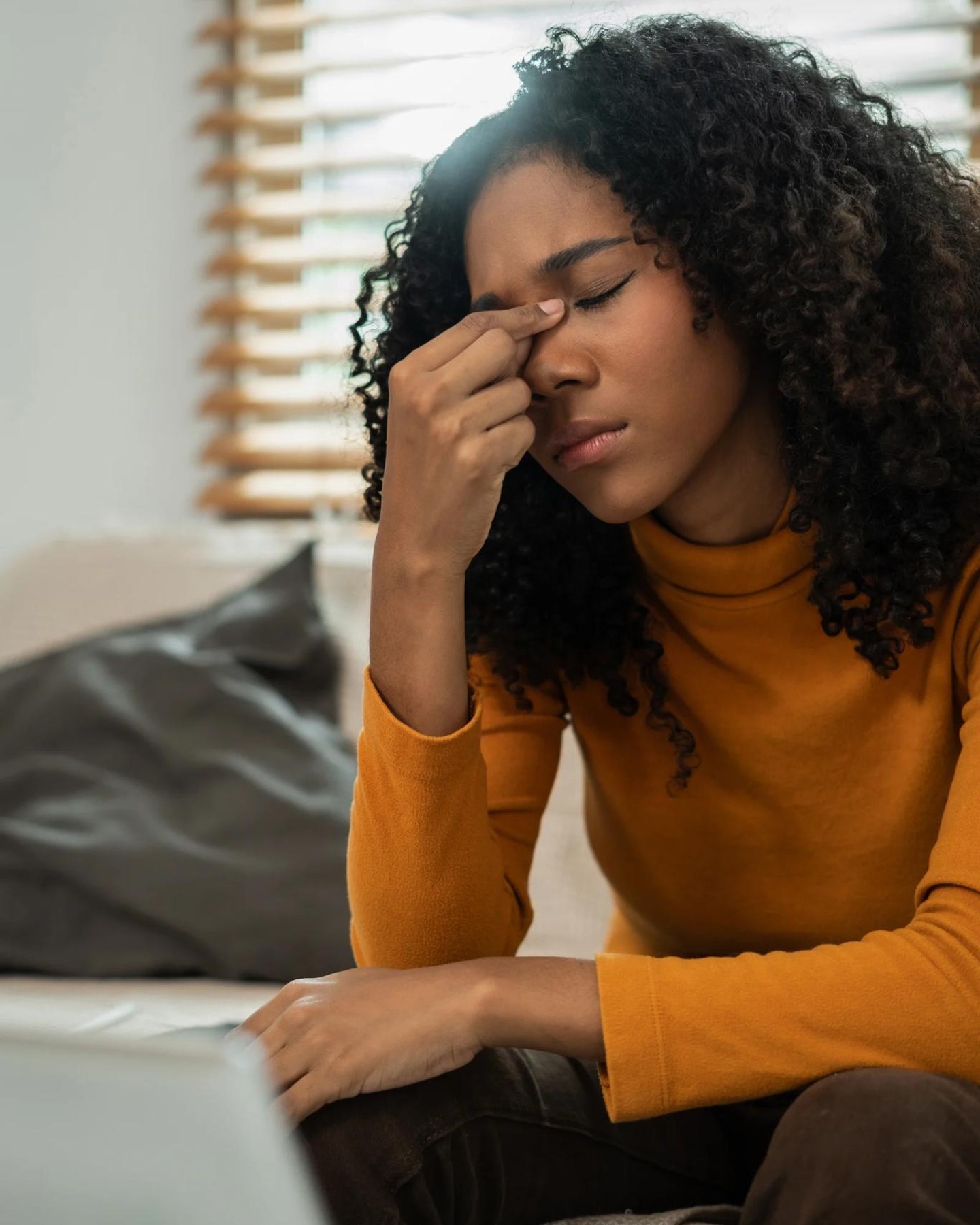



Many women notice their migraines seem to follow a pattern, often appearing just before or during their period. These are known as hormonal migraines or menstrual migraines, and they are thought to be triggered by changes in hormone levels, particularly a drop in oestrogen.
Hormonal migraines are common and can affect women at any stage of life, including during puberty, pregnancy, perimenopause and menopause, when hormone levels naturally fluctuate.
A hormonal migraine is a migraine that is linked to changes in the menstrual cycle. Unlike a regular headache, migraines are a neurological condition that can cause:
Some people also experience an aura before a migraine, which may include visual disturbances, tingling sensations or difficulty speaking.
Researchers believe the main trigger is a rapid fall in oestrogen levels that occurs shortly before menstruation begins. Oestrogen influences several chemicals in the brain, including serotonin, which plays a role in regulating pain.
Not everyone who menstruates will experience hormonal migraines, but those who already have migraine are more likely to notice a hormonal pattern.
Hormones may be the primary trigger, but other factors can make migraines more likely, including:
Keeping a migraine diary can help identify individual patterns and triggers.
Treatment varies from person to person and should be discussed with a healthcare professional. Options may include:
Some people also find that maintaining regular sleep, staying hydrated, eating balanced meals and managing stress can help reduce the frequency of attacks.
You should seek urgent medical assessment if you experience:
If migraines are becoming more frequent, affecting your quality of life or no longer responding to your usual treatment, it’s important to speak to your GP or healthcare professional.
Hormonal migraines can have a significant impact on work, family life and wellbeing. Understanding the link between hormones and migraine can help people recognise patterns, seek appropriate treatment and work with their healthcare team to develop an effective management plan. While there is no single solution that works for everyone, many people are able to reduce the frequency or severity of attacks with the right combination of treatment and lifestyle measures.
This article is intended for general information only and should not be considered medical advice. It should not be used to diagnose or treat any medical condition. If you have concerns about migraines, persistent headaches or changes to your symptoms, seek advice from your GP, pharmacist or another qualified healthcare professional. If you experience a sudden severe headache, weakness, confusion, difficulty speaking, vision loss or other emergency symptoms, seek immediate medical attention.
This article is part of our Women’s Health series, created to support the people who dedicate their careers to caring for others.
Over the coming months, we’ll be expanding our Lifestyle section with practical advice, expert insights, book and podcast recommendations, money-saving ideas, travel inspiration, health features and everyday wellbeing content designed specifically for those working across health and social care.
Posted by:
K Jadon
Editorial Assistant – The Daily Round
Busy day? We’ve got you covered. Get FREE daily news, practical insights, opportunities and wellbeing content, carefully curated for busy health and social care professionals. Just enter your details below to get The Daily Briefing delivered straight to your inbox.
 newsdesk@dailyround.news