
Women's Health

Advice, information, and resources to help women navigate every stage of life, supporting both physical and mental wellbeing.
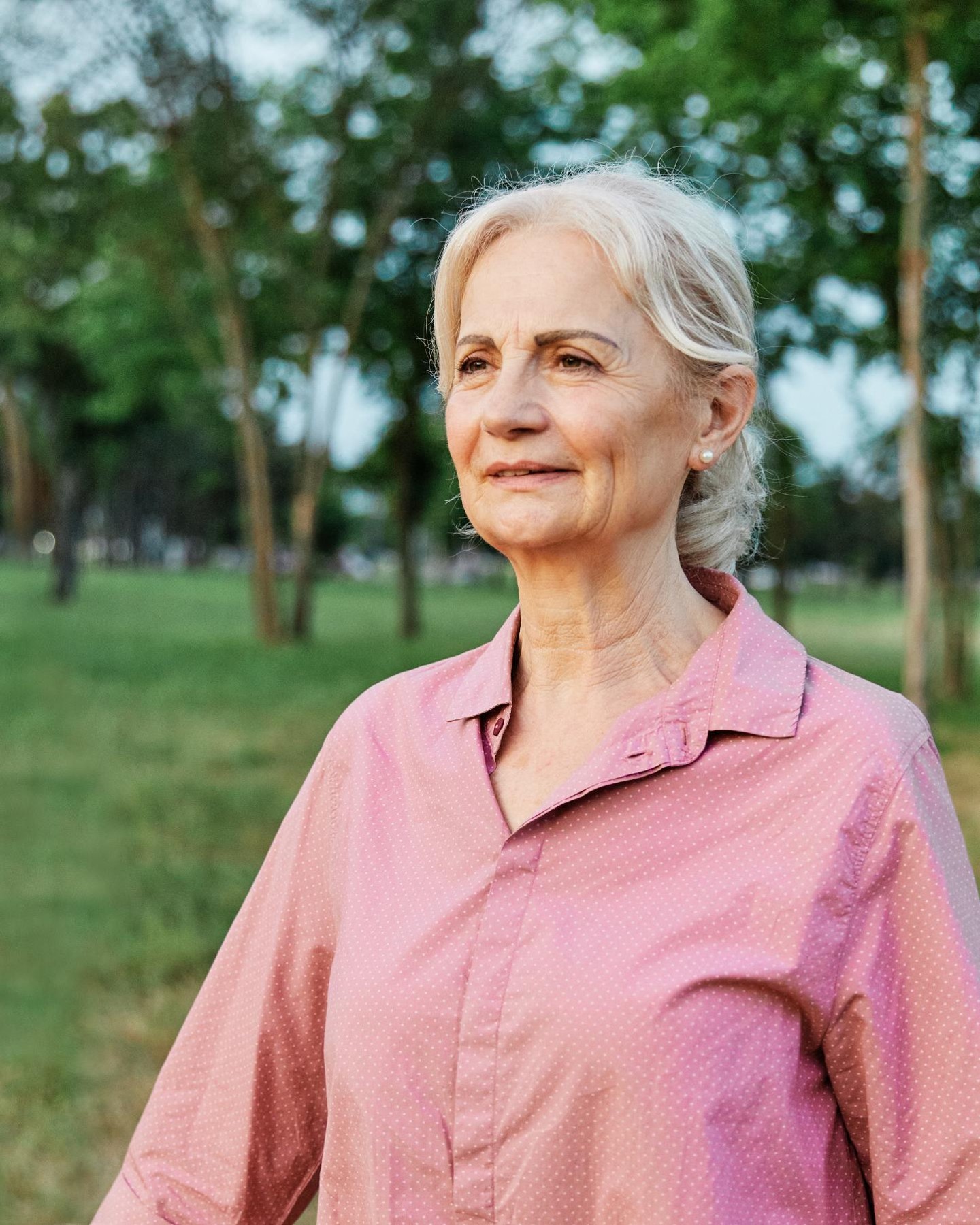



Healthy ageing isn’t about trying to stop the clock, it’s about staying as healthy, active and independent as possible throughout life. While ageing is a natural process, many of the factors that influence long-term health are within our control.
From our 40s onwards, women may begin to notice changes in energy levels, muscle strength, sleep, hormones and bone health. Understanding these changes can help women make informed choices that support their physical and mental wellbeing.
Regular physical activity is one of the most important things you can do for healthy ageing. Exercise helps to:
Experts recommend a combination of aerobic exercise, strength training and activities that improve flexibility and balance, such as yoga or Pilates.
Women are at increased risk of osteoporosis after menopause due to declining oestrogen levels. Strong bones are supported by:
Your healthcare professional can advise whether you may benefit from a bone density assessment based on your age and risk factors.
A varied, nutritious diet provides the vitamins, minerals and protein needed to support healthy ageing.
Aim to include:
Staying well hydrated is equally important, as our sense of thirst often decreases with age.
Sleep plays an important role in physical recovery, memory, immune function and emotional wellbeing.
Hormonal changes during perimenopause and menopause can make sleep more difficult. Maintaining a consistent bedtime routine, limiting caffeine later in the day and creating a comfortable sleep environment may help improve sleep quality.
Heart disease remains one of the leading causes of death in women, yet many people underestimate their risk.
Simple steps that support heart health include:
Healthy ageing includes emotional health as well as physical health.
Maintaining strong social connections, continuing hobbies, learning new skills and seeking support when needed can all contribute to better mental wellbeing. If you experience persistent low mood, anxiety or memory concerns, speak to a healthcare professional.
Perimenopause and menopause affect every woman differently. Symptoms may include:
If symptoms are affecting your daily life, discuss them with your GP or menopause specialist. A range of treatment options, including lifestyle changes and hormone replacement therapy (HRT), may be appropriate depending on your individual circumstances.
Routine screening helps detect health problems early, when treatment is often most effective.
Depending on your age and personal risk factors, this may include:
Attending these appointments is an important part of maintaining long-term health.
There is no single formula for ageing well. Small, consistent habits—such as staying active, eating well, getting enough sleep and attending routine health checks—can make a meaningful difference over time.
Every woman will experience ageing differently, but taking care of your health today can help you stay healthier, stronger and more independent in the years ahead.
This article is intended for general information only and should not be considered medical advice. It should not be used to diagnose or treat any medical condition. If you have concerns about your health, menopause symptoms or healthy ageing, seek advice from your GP, pharmacist or another qualified healthcare professional. If you experience symptoms that concern you or require urgent medical attention, contact the appropriate healthcare service without delay.
This article is part of our Women’s Health series, created to support the people who dedicate their careers to caring for others.
Over the coming months, we’ll be expanding our Lifestyle section with practical advice, expert insights, book and podcast recommendations, money-saving ideas, travel inspiration, health features and everyday wellbeing content designed specifically for those working across health and social care.
Posted by:
K Jadon
Editorial Assistant – The Daily Round
Busy day? We’ve got you covered. Get FREE daily news, practical insights, opportunities and wellbeing content, carefully curated for busy health and social care professionals. Just enter your details below to get The Daily Briefing delivered straight to your inbox.
 newsdesk@dailyround.news