

Women's Health

Practical tips, guidance, and inspiration to support your physical, mental, and emotional wellbeing every day.
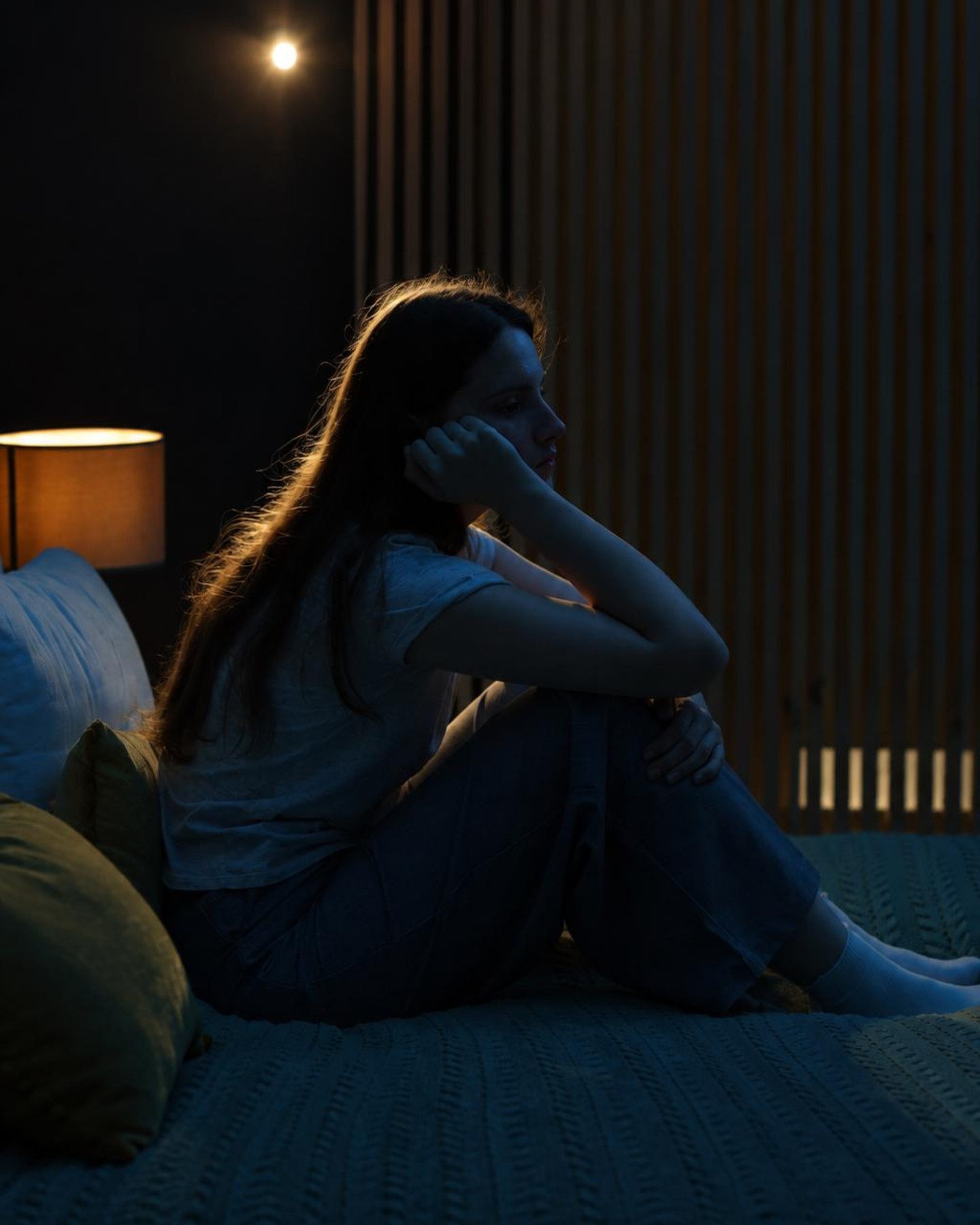



Sleep used to be something that simply happened. You became tired, went to bed and hoped to wake feeling reasonably refreshed. Now sleep has become a project.
We monitor how long we slept, how deeply we slept and how often we moved. We receive scores for our recovery, follow detailed evening routines and calculate exactly when we should stop eating, exercising, drinking caffeine or looking at a screen.
There is plenty of sensible advice that can help people sleep better. However, when every evening becomes an attempt to achieve the perfect night, sleep can begin to feel like another performance, and the pressure to do it correctly may be one of the things keeping us awake.
Most things improve when we make a greater effort. If we need to complete a piece of work, clean the house or train for an event, applying ourselves usually helps. Sleep does not work like that.
You cannot force yourself to become unconscious through determination. The harder you try to make sleep happen, the more alert you may become. You begin checking whether you feel tired enough, wondering why your mind is still active and calculating how many hours remain before morning. Instead of drifting into sleep, you are supervising it.
This can turn bedtime into a test. Every minute awake feels like evidence that the night is going wrong, and the fear of being exhausted tomorrow creates exactly the tension that makes sleep more difficult.
Sleep-tracking technology can be useful. It may help people notice patterns, recognise irregular routines or understand how certain habits affect their rest. But the numbers are not a complete account of how well you slept.
A device estimates sleep using information such as movement and heart rate. It does not know precisely how you feel, how well you functioned during the day or whether you woke feeling restored.
You may believe you had a good night until your watch tells you otherwise. Suddenly, normal tiredness becomes proof of poor recovery, and you begin searching for signs that the score was correct.
For some people, tracking provides reassurance. For others, it creates another source of anxiety. If seeing the data regularly makes you feel worse, taking the device off at night may be a perfectly reasonable wellbeing decision. You do not need an app’s permission to believe you slept well.
It is difficult to relax when you are repeatedly calculating what you are losing.
“If I fall asleep now, I can still get seven hours.”
“Now it will only be six.”
“I have to be awake in four hours.”
Each calculation increases the pressure. Morning begins to feel closer, while sleep seems further away. Turning the clock away, keeping your phone out of reach or avoiding checking the time during the night can help interrupt this countdown. You may still be awake, but you are no longer receiving a minute-by-minute report on how long you have supposedly failed to sleep.
One disrupted night may make the following day harder, but it is rarely the complete disaster an anxious mind predicts at 3am. Most people can get through a tired day more capably than they imagine.
A calming routine can signal to the body that the day is ending. Problems arise when the routine becomes so complicated that missing one part causes panic. You may believe you must finish eating at exactly the right time, take several supplements, complete a skincare routine, meditate, stretch, read and make the room entirely perfect before sleep has any chance of arriving.
Then real life intervenes. You work late, care for someone, attend an event or become absorbed in a television programme. Instead of going to bed normally, you worry that you have ruined your sleep before your head reaches the pillow.
A helpful routine should make evenings easier, not create another list of rules.
Choose a few habits that genuinely help you settle. They might include dimming the lights, reading, taking a warm shower or leaving your phone elsewhere. If the routine cannot happen occasionally, sleep is still possible. Your body does not forget how to sleep because you answered an email after 9pm.
Sleep anxiety often focuses on the consequences of not sleeping. You imagine making mistakes at work, being unable to cope with the children or feeling terrible throughout an important day.
The pressure becomes even greater before something significant. You tell yourself that you absolutely must sleep because tomorrow matters, which makes your brain treat bedtime like an emergency.
It may help to replace the demand with a more realistic thought: rest is still useful, even if sleep does not come immediately. Lying quietly is not identical to sleeping, but it is less distressing than fighting with yourself for several hours. You can also remind yourself that you have managed tired days before. Tomorrow may not be ideal, but it does not have to be ruined. Removing the catastrophe from the following day can reduce some of the urgency from the night.
After a difficult night, it is tempting to go to bed much earlier, sleep late or spend longer in bed in the hope of recovering what was lost.
Sometimes additional sleep is exactly what the body needs. However, frequently changing sleep and waking times can make it harder for the body to maintain a reliable pattern.
A reasonably consistent waking time may be more helpful than trying to force an unusually early bedtime when you are not sleepy. Daylight, movement and ordinary daytime activity can also support the body’s natural rhythm.
This does not mean following an inflexible schedule regardless of illness, exhaustion or individual need. People require different amounts of sleep, and sleeping for longer than somebody else is not automatically a problem. The important question is not whether your routine resembles another person’s. It is whether you generally wake feeling restored and can function well during the day.
Everybody experiences disrupted sleep occasionally. Stress, illness, hormones, caring responsibilities, noise, travel and changes in routine can all affect a night.
One poor night can become a longer difficulty when you begin fearing a repeat. You approach bedtime looking for signs that sleep will fail again, and the bed itself becomes associated with frustration. Try not to diagnose an entire sleep problem based on a few unusual nights. Notice what may have changed and allow your routine time to settle without analysing every hour.
There will also be nights when no obvious explanation exists. Human sleep varies. It does not have to be identical every night to be healthy.
Sleep advice can sometimes make people feel that one late coffee, evening meal or television programme has damaged their health. In reality, wellbeing is shaped by patterns over time, not by performing every day flawlessly.
You are allowed to stay up late for an occasion you enjoyed. You are allowed to have an unsettled night without immediately redesigning your entire life. You do not need to purchase another product every time your sleep changes.
If something consistently interferes with sleep, adjusting it may help. But there is a difference between making a useful change and becoming afraid of every behaviour that could theoretically affect the night. Sleep supports life. Life should not become organised entirely around protecting sleep.
Sleep difficulties deserve proper attention when they continue for weeks or months, regularly affect everyday life or leave you struggling to cope. Speak to a GP or another appropriate healthcare professional if insomnia persists, particularly if you also experience significant anxiety, low mood, severe daytime sleepiness, loud snoring, pauses in breathing or other concerning symptoms.
Cognitive behavioural therapy for insomnia, usually called CBT-I, is a structured approach designed to address the habits and anxious thoughts that can keep sleep problems going. Support is available beyond simply being told to practise better “sleep hygiene.”
Seek medical advice before relying regularly on sleep medicines or supplements, as they may not be suitable for everyone and can interact with other medication.
You can create conditions that make sleep more likely, but you cannot command the exact moment it arrives. At some point, the monitoring, measuring and trying have to stop.
Sleep is not an exam you pass by following every rule. There will be excellent nights, poor nights and many completely unremarkable ones that your body manages without assistance. Perhaps the goal should not be perfect sleep. It should be a calmer relationship with sleep, one in which a difficult night is inconvenient rather than frightening and rest is something you experience rather than something you continually evaluate. Sometimes sleeping better begins with giving yourself permission to stop trying quite so hard.
Wellbeing looks different for everyone, and sometimes the most useful thing is simply finding the right information at the right time. Explore more from Daily Round with our dedicated Women’s Health, Men’s Wellbeing and Wellbeing for Leaders sections, or head to the Leaders Library for our latest book recommendations, ideas and inspiration for life in and outside work.
Posted by:
Mehala
Editorial Assistant – The Daily Round
Busy day? We’ve got you covered. Get FREE daily news, practical insights, opportunities and wellbeing content, carefully curated for busy health and social care professionals. Just enter your details below to get The Daily Briefing delivered straight to your inbox.
 newsdesk@dailyround.news