

Wellbeing for Men

Advice, information, and resources to help women navigate every stage of life, supporting both physical and mental wellbeing.
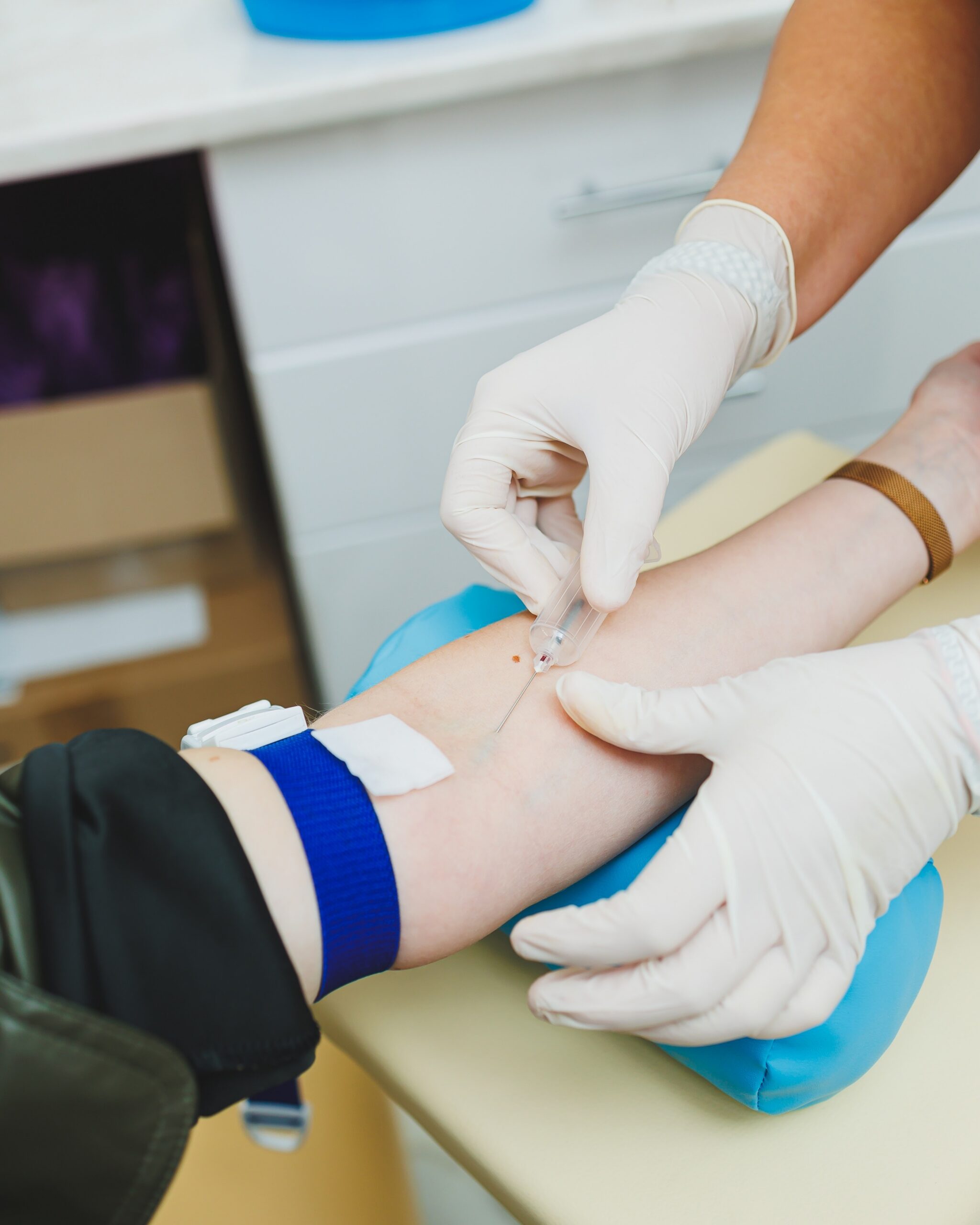



When bloating keeps coming back, it’s easy to explain away each episode on its own. You ate quickly between visits. You’ve been working nights and your meals are all over the place. You’re going through the menopause and your body has been doing unfamiliar things for months. Then you see a headline about a blood test that might pick up ovarian or womb cancer earlier, and you’re left with two questions. Could this test be for me? And what should I do about the symptoms I already have?
On 4 November, the government announced a trial involving more than 20,000 NHS patients at at least 200 GP practices in England. Led by the University of Birmingham, the study will assess whether new blood tests can help detect a range of cancers earlier, including ovarian and endometrial cancer. Endometrial cancer starts in the lining of the womb. The trial is designed to help answer a difficult question for GPs and patients alike. When abdominal symptoms could have several explanations, can a blood sample help identify who needs further investigation sooner?
The study, called STRIDE-RCT, is intended for eligible patients aged 45 and over who go to a participating GP practice with abdominal symptoms such as persistent bloating or discomfort. If your practice is taking part and you meet the study criteria, you may be invited to join. The study focuses on people who already have symptoms. If you’re under 45, or your practice is outside the trial, you can still ask your GP to investigate symptoms through the usual NHS routes.
The researchers will assess different ways of looking for signals in blood, including measuring proteins and looking for fragments of DNA shed by tumours. They’ll compare the new approaches with the tests and clinical assessment GPs already use. The important question is what those signals help a GP do next. Can they identify more people who need an investigation, and can they do it early enough to make a difference? A result suggesting a higher likelihood of cancer would still need to be followed up through appropriate investigations.
The NHS lists frequent bloating, tummy or pelvic pain, getting full quickly or losing your appetite, and needing to wee more often or more urgently among the main symptoms of ovarian cancer. These symptoms can have many causes. What can get lost in the busyness of a working week is how often they’re happening and how different they are from what’s usual for you. You may remember each uncomfortable drive home or each lunch you left half-finished, but only realise when you put them together that something has changed.
If you’ve noticed that pattern, tell the GP what it looks like in your own words. “I’m bloated most days now, and I’m getting full halfway through meals I’d normally finish” gives them more to work with than “I’ve had a bit of bloating.” Say when you first noticed it, how often it happens and whether it’s getting worse. If you’ve already been seen and the symptoms are still there, say what has happened since that appointment. The NHS advises going back to your GP if symptoms haven’t gone away or have become worse or more frequent.
Depending on your age and symptoms, your GP may already be able to arrange a blood test called CA125 as part of investigating possible ovarian cancer. This is an established test, separate from the research announced this month. NICE guidance uses the result alongside age to help determine whether an urgent ultrasound is needed for people aged 40 and over with persistent symptoms suggestive of ovarian cancer. If the initial investigations don’t explain your symptoms, ask what the next step is and when to come back if they continue.
For womb cancer, one of the key symptoms is vaginal bleeding after the menopause. That can mean a small amount of spotting or pink or brown discharge. It can happen once and then stop. The NHS advises getting it checked even if it only happens once, the amount is small or you have no other symptoms. There are several possible causes, and your GP can help arrange the right investigations. If you’re still having periods, bleeding between periods or periods that have become unusually heavy for you are also worth raising.
When you book, it helps to say plainly that you’ve had bleeding after the menopause. At the appointment, mention when your periods stopped, what you noticed and whether you take HRT. If you’re being referred, ask who will contact you and what to do if the bleeding happens again while you’re waiting. The news about a blood test can be a reason to pay attention to a change you’ve noticed. The conversation with your GP starts with that change and what might be causing it.
When you work in care, it can be easier to make time for someone else’s appointment than your own. You might spend the morning noticing that somebody you support has left more food on their plate than usual, then spend the drive home explaining away the fact that you’ve barely touched your own lunch all week. If you’re waiting for a clear stretch in the rota, or for the symptom to happen again so you can be sure it’s worth mentioning, start with what you already know. Something has changed, and you can describe it.
The trial may eventually give GPs another way to work out which patients need tests sooner. For now, if you’ve been waiting for a headline to tell you whether your symptoms are worth bringing up, let this one be the reason you make the appointment. You can tell the GP what you’ve noticed, ask what they think should happen next and leave knowing when to get back in touch if the symptoms carry on. That’s a conversation you can have now, wherever your practice is and whether it’s part of the research or not.
This article provides general information. If you have symptoms you’re worried about, speak to your GP for advice based on your circumstances.
Posted by:
Mehala
Editorial Assistant – The Daily Round
Busy day? We’ve got you covered. Get FREE daily news, practical insights, opportunities and wellbeing content, carefully curated for busy health and social care professionals. Just enter your details below to get The Daily Briefing delivered straight to your inbox.
 newsdesk@dailyround.news