

Women's Health

Advice, information, and resources to help women navigate every stage of life, supporting both physical and mental wellbeing.
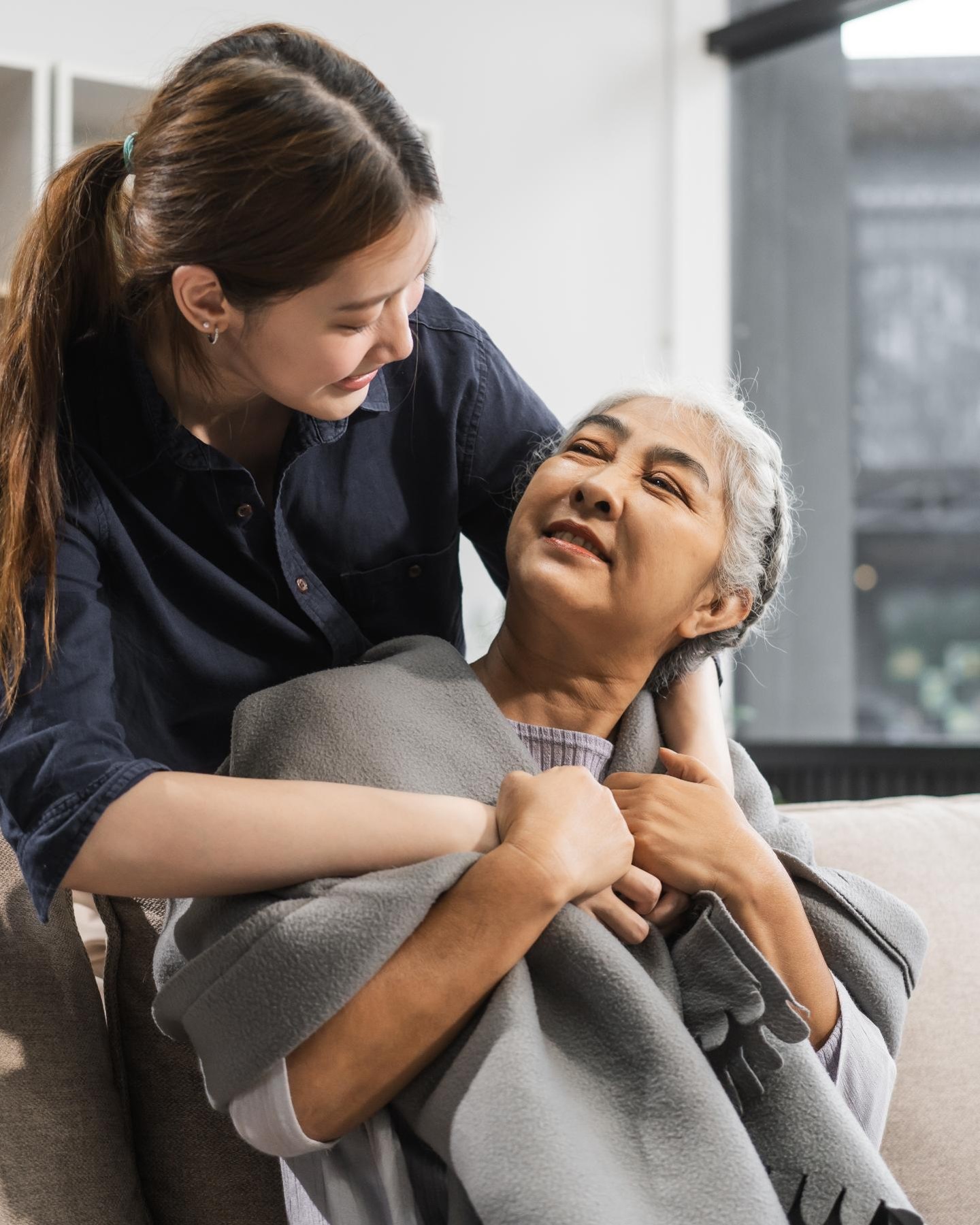



Across the UK, millions of women provide unpaid care for children, partners, parents, relatives or friends alongside their own work, family and personal responsibilities. While caring for others can be deeply rewarding, it can also place significant demands on emotional, physical and mental wellbeing.
For many women, caring is not a single role, it is one of many. Balancing employment, parenting, household responsibilities and caring for loved ones can leave little time for rest or self-care.
Recognising the impact that caring responsibilities can have on mental health is an important step towards ensuring carers receive the support they need.
Caring often involves much more than practical support. It may include:
Many carers describe feeling as though they are “always on,” even when they are not actively providing care.
Long-term caring responsibilities can contribute to:
Some carers may also experience guilt when taking time for themselves or asking for help, even though regular breaks are essential for maintaining their own health.
It is easy for carers to place their own needs last, but maintaining your own wellbeing is essential.
Simple ways to support your mental health include:
Looking after yourself is not selfish, it helps you continue caring safely and sustainably.
Many carers are unaware of the support available to them.
Depending on your circumstances, you may be entitled to:
Speaking to your GP, local authority or carers’ organisation can help you understand what support may be available.
Many women combine unpaid caring responsibilities with full-time or part-time employment.
This can create additional pressures, including:
Open conversations with employers, where appropriate, may help identify flexible working arrangements or workplace wellbeing support.
It is important to seek professional support if you are experiencing:
Early support can make a significant difference, and treatment options are available.
Women make an enormous contribution to families, communities and society through their caring roles. While caring for others is often an act of love, it should not come at the expense of your own health.
Taking time to look after your mental wellbeing, asking for support when you need it and recognising your own limits are all important parts of being a sustainable carer. When carers are supported, everyone benefits.
This article is intended for general information only and should not be considered medical advice. It should not be used to diagnose or treat any medical condition. If you are struggling with your mental health, feeling overwhelmed by caring responsibilities or have concerns about your wellbeing, speak to your GP or another qualified healthcare professional. If you are in crisis or feel that you may be at immediate risk of harming yourself or others, seek emergency medical assistance immediately.
This article is part of our Women’s Health series, created to support the people who dedicate their careers to caring for others.
Over the coming months, we’ll be expanding our Lifestyle section with practical advice, expert insights, book and podcast recommendations, money-saving ideas, travel inspiration, health features and everyday wellbeing content designed specifically for those working across health and social care.
Most importantly, we want this to be your community. Tell us what matters most to you, suggest topics you’d like us to cover and share your feedback so we can create content that is genuinely useful, relevant and shaped by the people who work in the sector every day. We are always listening at newsdesk@dailyround.news
Posted by:
K Jadon
Editorial Assistant – The Daily Round
Busy day? We’ve got you covered. Get FREE daily news, practical insights, opportunities and wellbeing content, carefully curated for busy health and social care professionals. Just enter your details below to get The Daily Briefing delivered straight to your inbox.
 newsdesk@dailyround.news