
Women's Health

Practical tips, guidance, and inspiration to support your physical, mental, and emotional wellbeing every day.
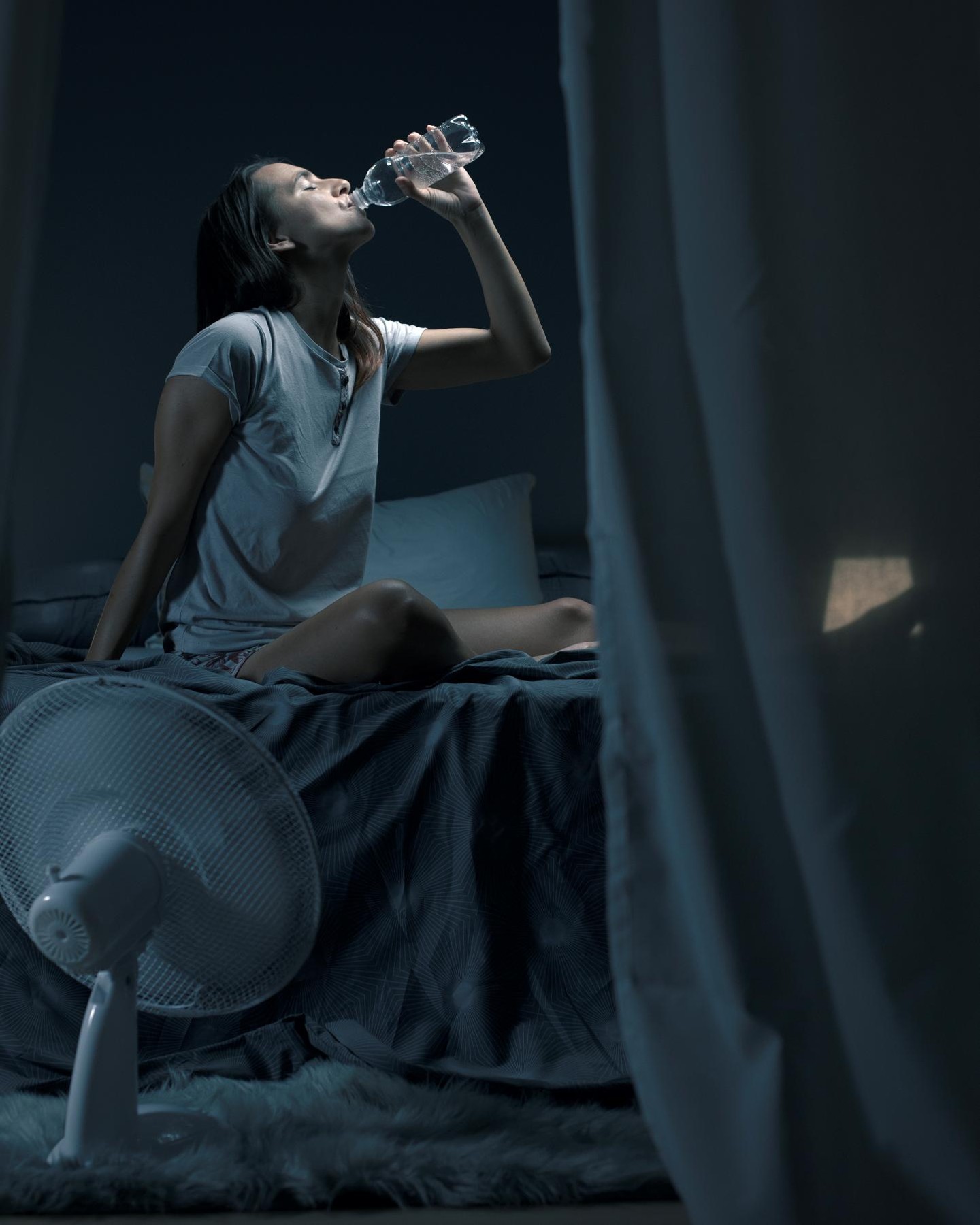



There is a very particular kind of misery that comes with trying to sleep in a hot bedroom. You turn the pillow over looking for the cold side, throw the duvet off, put it back on ten minutes later, open the window, close the window, reposition the fan for the seventeenth time and eventually start calculating exactly how little sleep you’re going to get before the alarm goes off.
If that sounds familiar, you’re certainly not alone. Hot weather has caused widespread sleep disruption across the UK this summer, with many British homes simply not designed for prolonged periods of high temperatures. And while we can’t control the weather outside, there are some genuinely useful things you can do to stop your bedroom becoming quite so unbearable.
One of the biggest mistakes we make during hot weather is throwing every window open as soon as the sun comes out. It feels logical – fresh air equals cooler house, surely? Not necessarily.
If it’s hotter outside than inside, an open window can simply allow more hot air into your home. NHS advice is to close windows, curtains and blinds during the day, particularly in rooms exposed to direct sunlight, and then open windows at night once the outdoor temperature has fallen.
Think of it as trying to trap the cooler air inside your home before the hottest part of the day arrives. Bedrooms that receive direct afternoon or evening sunshine can become particularly uncomfortable by bedtime, so keeping blinds or curtains closed before the room heats up can make a noticeable difference.
Turning off unnecessary lights and electrical equipment can help too. TVs, computers, lamps and other electronics all produce some heat, and although individually they may not seem significant, the last thing an already warm bedroom needs is additional heat being generated inside it.
If your bedroom simply refuses to cool down, concentrate on lowering your own temperature.
A cool shower or bath before bed can help you feel more comfortable, and NHS hot-weather guidance also recommends putting cool water on your skin or clothing. A cool damp cloth on the back of your neck can feel particularly glorious when you’ve reached the I cannot possibly sleep like this stage of the evening.
What you wear to bed matters too. Lightweight, loose-fitting nightwear and lighter bedding will generally be more comfortable than heavy fabrics. You may decide the duvet has officially been dismissed for the summer and sleep under a sheet instead.
A fan can also provide relief. Current NHS guidance says electric fans can help when temperatures are below 35°C. And while pointing one directly at your face from approximately six inches away may feel like the only reasonable option at 2am, position it wherever it creates the most comfortable airflow around your sleeping space.
Staying hydrated is particularly important during hot weather because we lose fluid through sweating. Drink regularly throughout the day rather than suddenly trying to consume enormous amounts of water immediately before bed – unless you’d like overheating to be replaced by repeated trips to the bathroom.
Alcohol is worth watching too. A cold glass of wine or beer can be very appealing on a warm summer evening, but alcohol can increase fluid loss and contribute to dehydration. NHS guidance recommends limiting alcohol during periods of hot weather.
If you’ve been working outside, exercising or spending significant time in the heat, paying attention to hydration becomes even more important. The same applies to people who are particularly vulnerable to hot weather, including older adults, young children and people with certain long-term health conditions.
There’s another problem that often arrives at around 3am: worrying about the fact that you’re still awake.
One bad night’s sleep can leave you tired and irritable the following day, but lying there calculating “if I fall asleep RIGHT NOW I’ll get exactly three hours and 47 minutes” is unlikely to make drifting off any easier.
Try to keep as much of your usual bedtime routine as possible. Make the room as comfortable as you realistically can, keep yourself cool and accept that during exceptionally hot nights your sleep may not be perfect.
If you’re working shifts – particularly long healthcare or care shifts – sleeping during hot weather can be even more difficult because you may be trying to sleep during the hottest part of the day. Blackout blinds or curtains can serve two purposes here: blocking daylight while also helping reduce heat from direct sunshine. Preparing the room before you finish your shift may be far more effective than trying to cool it once you get home.
And if the heat is making you genuinely unwell rather than simply uncomfortable, don’t dismiss it as a bad night’s sleep. Dizziness, headache, nausea, weakness, excessive sweating and other symptoms can be signs of heat-related illness. Heatstroke is a medical emergency.
Ultimately, surviving a hot summer night doesn’t require an elaborate collection of expensive cooling gadgets. Keep sunlight and hot air out during the hottest part of the day, let cooler air in when temperatures fall, stay hydrated, use lighter bedding, cool your body and go easy on the alcohol.
And if all else fails, yes, you are entirely justified in flipping the pillow over for the 28th time.
Medical Disclaimer: The information provided by Daily Round is for general informational and educational purposes only and should not be considered medical advice, diagnosis or treatment. Hot weather can pose serious health risks, particularly for vulnerable people. Seek professional medical advice if you are concerned about symptoms or the effects of heat on an existing health condition or medication. In a medical emergency, contact the appropriate emergency service immediately.
Posted by:
K Jadon
Editorial Assistant – The Daily Round
Busy day? We’ve got you covered. Get FREE daily news, practical insights, opportunities and wellbeing content, carefully curated for busy health and social care professionals. Just enter your details below to get The Daily Briefing delivered straight to your inbox.
 newsdesk@dailyround.news