

Everyday Wellbeing

Advice, information, and resources to help women navigate every stage of life, supporting both physical and mental wellbeing.


When we think about bone health, many of us picture later life.
In reality, looking after your bones starts much earlier.
For healthcare workers and unpaid carers, strong bones are particularly important. Whether you’re helping a patient transfer safely, assisting a loved one to stand or spending hours on your feet each day, your bones provide the foundation for everything you do.
The good news? There are simple steps you can take throughout adulthood to help keep them healthy.
Bone is living tissue that is constantly being broken down and rebuilt.
Most people reach their peak bone strength by around the age of 30. After that, maintaining bone health becomes increasingly important, particularly for women.
As we get older, bones naturally become less dense. If bone density falls significantly, it can lead to osteoporosis—a condition that weakens bones and increases the risk of fractures.
According to the NHS, osteoporosis affects millions of people in the UK and is more common in women than men.
One of the biggest changes affecting bone health is menopause.
Oestrogen plays an important role in maintaining bone strength. During and after menopause, falling oestrogen levels accelerate bone loss, increasing the risk of osteoporosis over time.
Not every woman will develop osteoporosis, but understanding the link allows you to take positive steps before problems develop.
Calcium is one of the key minerals needed to maintain healthy bones.
Good dietary sources include:
Most people can meet their calcium needs through a balanced diet without needing supplements, although your healthcare professional may advise otherwise in certain circumstances.
Vitamin D helps your body absorb calcium effectively.
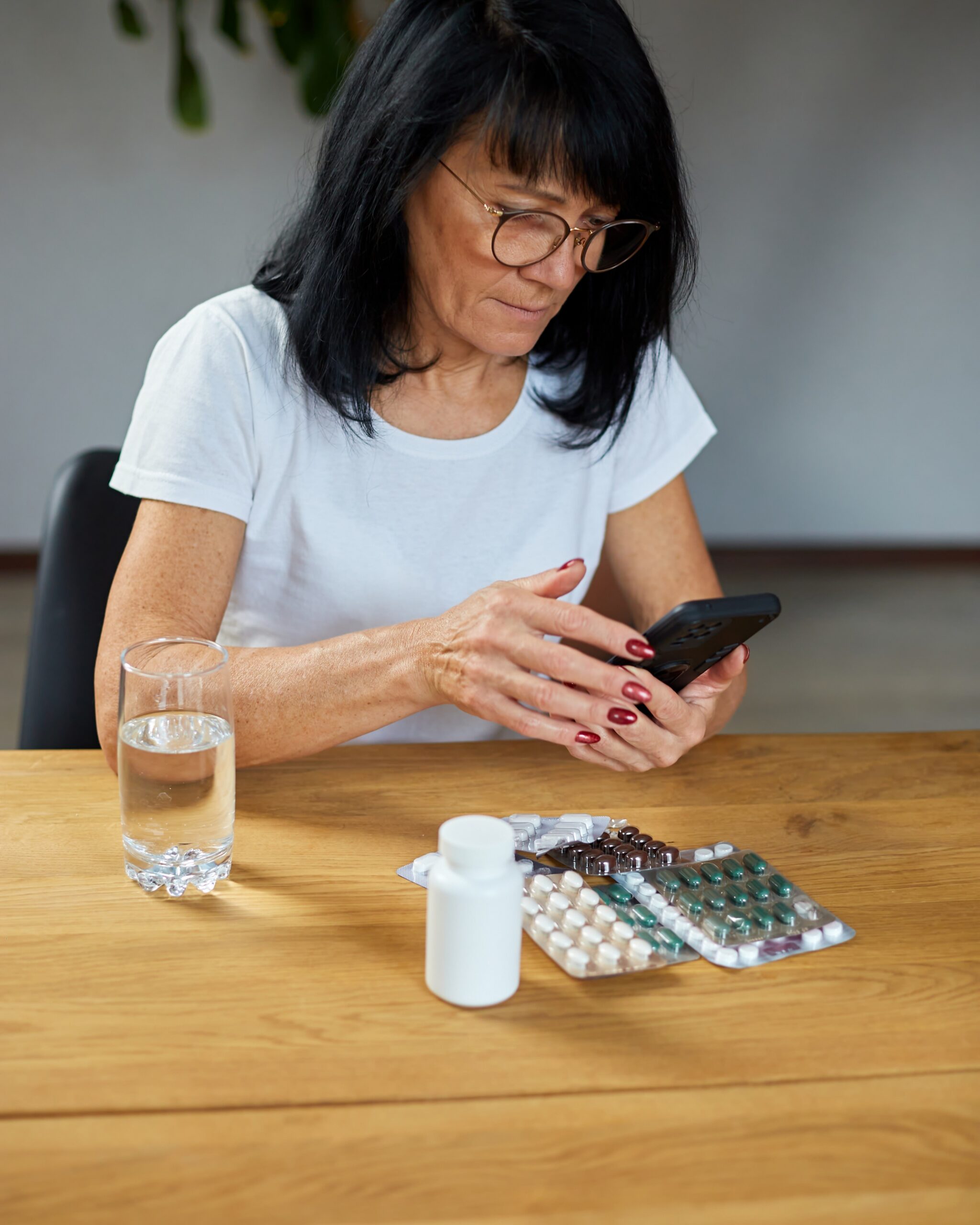
The NHS recommends that everyone should consider taking a daily vitamin D supplement during the autumn and winter months, when sunlight in the UK is limited. Some people—including those who spend little time outdoors or cover most of their skin—may benefit from taking vitamin D all year round.
If you’re unsure whether supplementation is appropriate for you, speak with your GP or pharmacist.
“One thing that really surprised me was being diagnosed with a vitamin D deficiency while living in Florida. I remember thinking, ‘How is that even possible? I’m surrounded by sunshine all year round.’
It was picked up during a routine blood test, and my doctor prescribed vitamin D tablets. They were tiny, painless to take, and after around three weeks I genuinely noticed a difference in how I felt. That was my experience—it won’t be the same for everyone—but it taught me an important lesson.
Our bodies have an incredible ability to adapt, and sometimes we gradually accept feeling tired or ‘not quite right’ because it becomes our new normal. I certainly pay much closer attention to my body now than I did before. If something doesn’t feel right, it’s always worth having a conversation with your healthcare professional rather than assuming it’s just part of getting older or being busy.” Jill Newey, Editor.
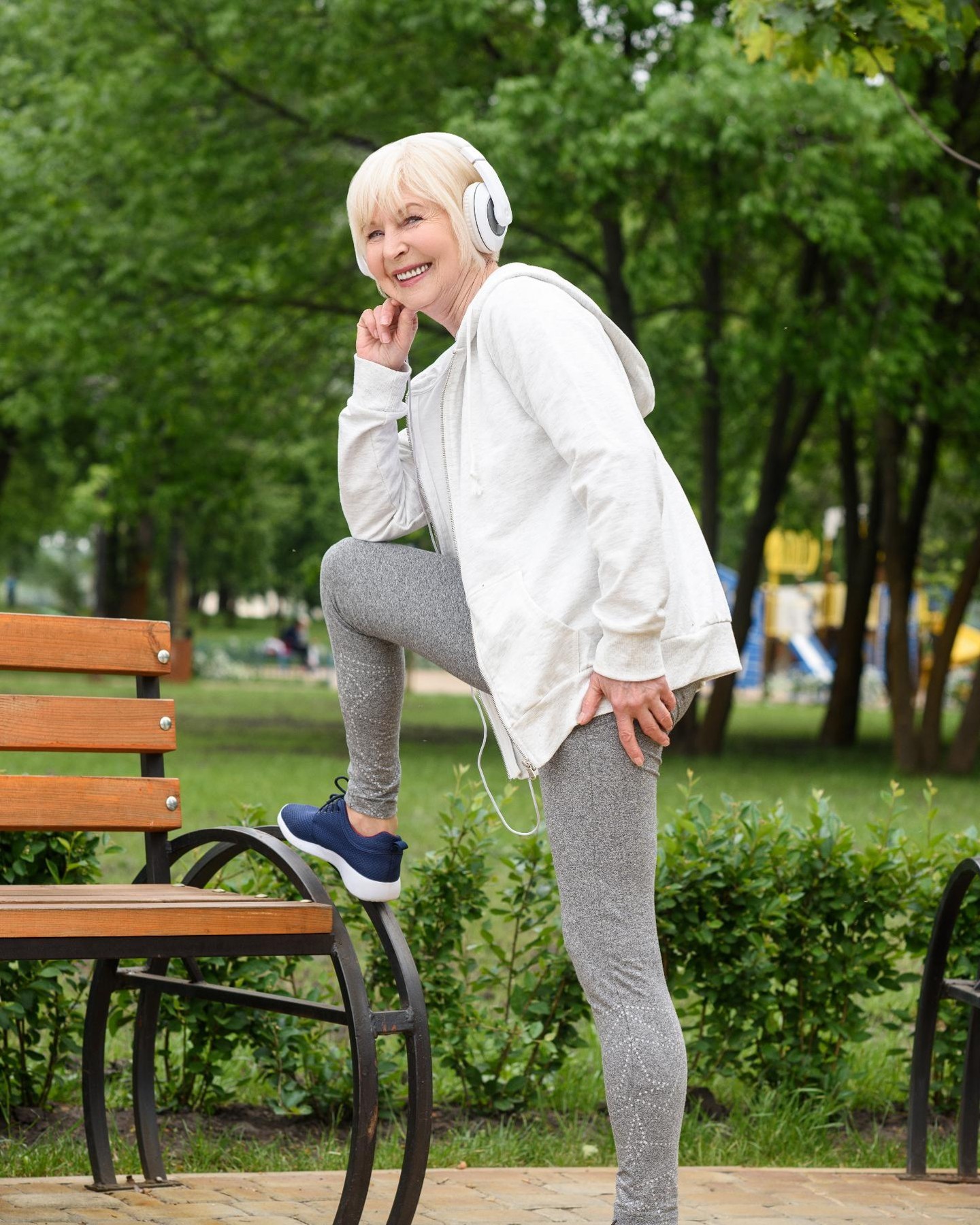
Many people assume that walking alone is enough to maintain strong bones.
While walking is excellent for overall health, bones also benefit from weight-bearing and muscle-strengthening activities.
Examples include:
For healthcare workers, it’s important to remember that lifting patients during your shift is not the same as structured strength training. Safe moving and handling techniques are designed to protect both you and the person you’re supporting, rather than strengthen your bones or muscles.
Healthy bones aren’t built in a single week or even a single year.
Small habits repeated over time can make a real difference:
Healthcare professionals and unpaid carers spend their lives helping others stay mobile, recover from illness and maintain independence.
Looking after your own bones is one of the best investments you can make—not just for retirement, but for the work, family and life you enjoy today.
This article is provided for general information, personal research and editorial opinion only. It is not intended to replace professional medical advice, diagnosis or treatment. Individual calcium and vitamin D requirements vary, and supplements are not appropriate for everyone. If you have concerns about your bone health, osteoporosis risk, menopause or previous fractures, speak with your GP or another qualified healthcare professional for personalised advice.
Posted by:
M Ramalani
Editorial Assistant – The Daily Round
Busy day? We’ve got you covered. Get FREE daily news, practical insights, opportunities and wellbeing content, carefully curated for busy health and social care professionals. Just enter your details below to get The Daily Briefing delivered straight to your inbox.
 newsdesk@dailyround.news