
 newsdesk@dailyround.news

UK News

<p>Stay up to date with the latest health and social care news from across the UK. From breaking stories and sector developments to the people, organisations and issues making the news.</p>
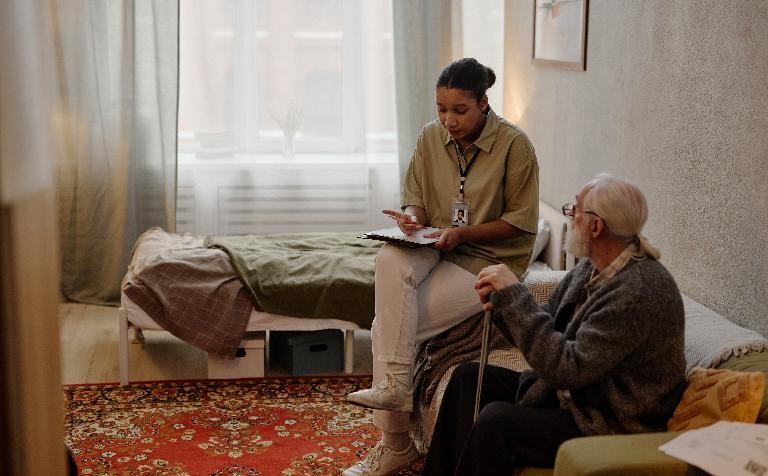
NHS leaders have approved a regional plan intended to protect urgent and emergency services across the North East and North Cumbria during the coming winter.
The strategy focuses on reducing avoidable hospital admissions, improving ambulance handovers and helping patients leave hospital sooner when they are medically ready. It includes acute respiratory infection hubs, urgent community response teams, virtual wards, same-day emergency care and additional patient transport capacity.
A dedicated £500,000 winter commissioning budget has been identified, including £268,000 for proactive support for patients with chronic obstructive pulmonary disease and £79,200 for additional patient transport. A further £152,800 is being retained as contingency funding, while £140,000 has separately been approved for public information campaigns.
The plan follows individual assessments of NHS trusts across the region, examining staffing, capacity, infection control, corridor care, patient flow and discharge arrangements. A review of ten emergency department sites found that none yet met every part of NHS England’s latest model for emergency care. Gaps included inconsistent redirection at hospital entrances, limited access to senior decision-makers and continuing pressures involving staffing, hospital buildings and social care.
Health leaders said the region performs comparatively well on urgent and emergency care measures but continues to face sustained pressure across ambulances, hospitals, primary care, mental health and community services. Particular risks this winter include respiratory illness, staff shortages, infectious disease outbreaks, limited social care capacity and prolonged periods of extreme demand.
The North East and North Cumbria has England’s highest recorded prevalence of COPD, affecting approximately 92,000 people. Older people living with frailty, care home residents, pregnant women, children, people with learning disabilities and communities experiencing deprivation have also been identified as needing particular support during the winter months.
Posted by:
K Jadon
Editorial Assistant – The Daily Round



Busy day? We’ve got you covered. Get FREE daily news, practical insights, opportunities and wellbeing content, carefully curated for busy health and social care professionals. Just enter your details below to get The Daily Briefing delivered straight to your inbox.
Busy day? We’ve got you covered. Get FREE daily news, practical insights, opportunities and wellbeing content, carefully curated for busy health and social care professionals. Just enter your details below to get The Daily Briefing delivered straight to your inbox.