newsdesk@dailyround.news
Global Care Stories

Discover the latest international news and developments affecting health and social care worldwide. From rising measles cases in the US to major global events, including the death of the world’s youngest reigning monarch at 34, explore the stories shaping communities and making headlines around the world.
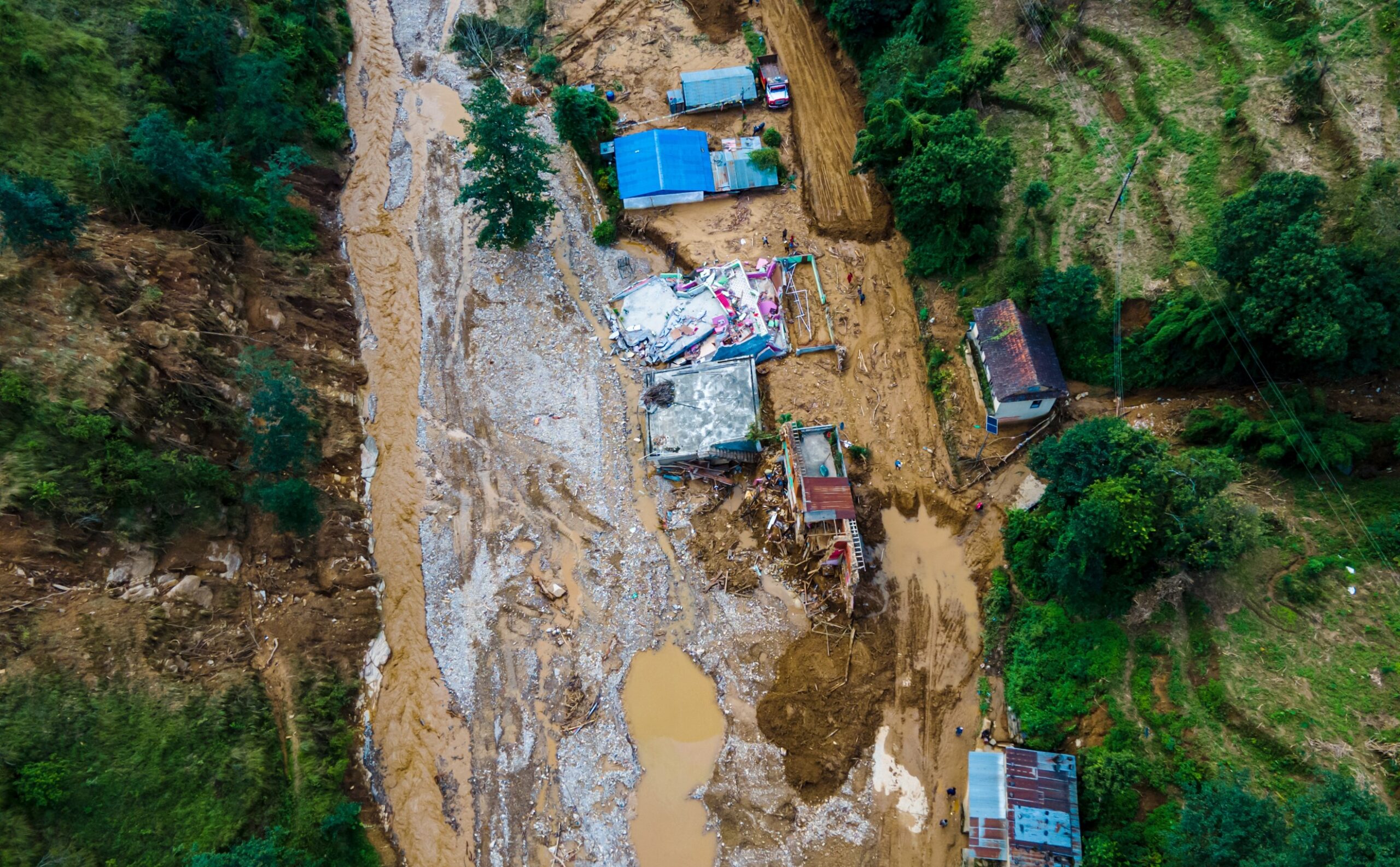
British families waiting for news of loved ones missing in Nepal have been warned they could face a prolonged wait for answers as the death toll from the catastrophic Himalayan floods rises to 939 and thousands of people remain unaccounted for.
Nepal’s National Disaster Risk Reduction and Management Authority said on Monday evening that 939 bodies had now been recovered following the devastating floods that struck the Nepal-China border region on Wednesday. A further 3,925 people remain missing in Nepal, including 592 foreign nationals, while 279 people have been injured.
Chinese authorities have reported another 16 deaths and 546 people missing in Tibet, taking the known death toll across Nepal and China to at least 955 and the number still missing to more than 4,400. The figures have changed repeatedly as people previously listed as missing have been located and rescue teams have recovered more victims from the vast disaster zone.
British families are among those enduring an increasingly agonising wait. At least 33 British nationals were known to be missing by Friday, including tourists and pilgrims travelling towards Mount Kailash, while further people have been reported missing directly by their families. By Monday, Sky News reported that all of the missing Britons it was tracking remained unaccounted for and that none had appeared among those confirmed rescued.
The UK government has deployed a Rapid Deployment Team to Nepal to reinforce staff at the British Embassy in Kathmandu. Specially trained crisis response staff are working with Nepalese authorities and emergency services, supporting British nationals in the country and helping families in the UK seeking information about missing relatives. The government has also announced £5 million in humanitarian assistance for relief and recovery efforts.
Identifying victims is becoming an enormous task. Families have travelled between hospitals, morgues, police stations and rescue centres carrying photographs of missing relatives, while others have travelled hundreds of kilometres across Nepal in the hope of finding information. Some bodies recovered after being swept long distances downstream are difficult to identify, adding to the time families may have to wait for confirmation.
Among the British nationals reported missing is 43-year-old Geetha Vachan Adinarayana Reddy, a UK citizen who was travelling on a pilgrimage to Mount Kailash. Her family said she last spoke to her husband and daughters, aged 14 and 12, around half an hour before the floods struck the area where she was staying. Relatives have since travelled to Nepal to search for her.
Other missing Britons include 18-year-old A-level student Spandan Sahu, his parents Santosh Sahu and Surabhi Manmath Padhy and his 13-year-old sister Syna Kumari Sahu. Kent hospital nurse Sarada Simkhada is also among those unaccounted for after travelling on a pilgrimage to Mount Kailash. Several British tour groups were believed to have been close to immigration facilities around the Nepal-Tibet border when the disaster struck.
Attention is also focused on hundreds of workers feared trapped underground at hydropower projects devastated by the flood. More than 900 workers were reported missing from 12 projects in the badly affected Rasuwa and Nuwakot districts, with around 500 believed to be inside enormous tunnels used to control water flow. Rescue teams are racing against time to reach them as concerns grow about access to oxygen, food and water.
At some sites, rescuers have been using explosives to blast through hillsides and reach tunnels filled or blocked by mud and debris. Air has been pumped into parts of the tunnel network in the hope that workers remain alive inside, but only a small number of bodies have so far been recovered from the underground areas. Some workers were able to make calls for help when the flooding first struck, although it remains unclear whether rescuers have subsequently established contact with those believed to be trapped.
The scale of the disaster has also complicated efforts to establish exactly who is missing. Nepal’s latest figures include 3,333 Nepali citizens as well as hundreds of foreigners, while some of the largest numbers of missing people are in Nuwakot and Rasuwa, where entire communities and major infrastructure projects were overwhelmed.
The disaster began on 26 August when an enormous torrent of water, ice, rock and debris swept through the Himalayan border region and into the Bhotekoshi river system. Villages, roads, bridges, businesses and hydropower facilities were destroyed as floodwaters travelled downstream, with bodies subsequently recovered many kilometres from the areas where people disappeared.
Search, rescue and relief operations are continuing, involving the Nepal Army, Nepal Police, Armed Police Force and local authorities. Nearly 9,500 people have been rescued from affected areas, including tourists from several countries, but the enormous number still missing means thousands of families remain without answers almost a week after the disaster.
For British families, the uncertainty is particularly difficult because confirmation that somebody is missing does not necessarily establish where they were when the flood struck or whether they may have been rescued elsewhere. With communications and transport infrastructure badly damaged and authorities simultaneously searching for survivors and identifying hundreds of victims, obtaining definitive information can take time.
The rescue operation is now entering an increasingly critical stage. While teams continue to search for survivors, particularly those who may be trapped underground, families in Nepal, Britain and around the world are facing the devastating possibility that the final scale of the disaster may not be known for some time.
Posted by:
Mehala
Editorial Assistant – The Daily Round


Busy day? We’ve got you covered. Get FREE daily news, practical insights, opportunities and wellbeing content, carefully curated for busy health and social care professionals. Just enter your details below to get The Daily Briefing delivered straight to your inbox.
Busy day? We’ve got you covered. Get FREE daily news, practical insights, opportunities and wellbeing content, carefully curated for busy health and social care professionals. Just enter your details below to get The Daily Briefing delivered straight to your inbox.