
 newsdesk@dailyround.news
UK News

<p>Stay up to date with the latest health and social care news from across the UK. From breaking stories and sector developments to the people, organisations and issues making the news.</p>
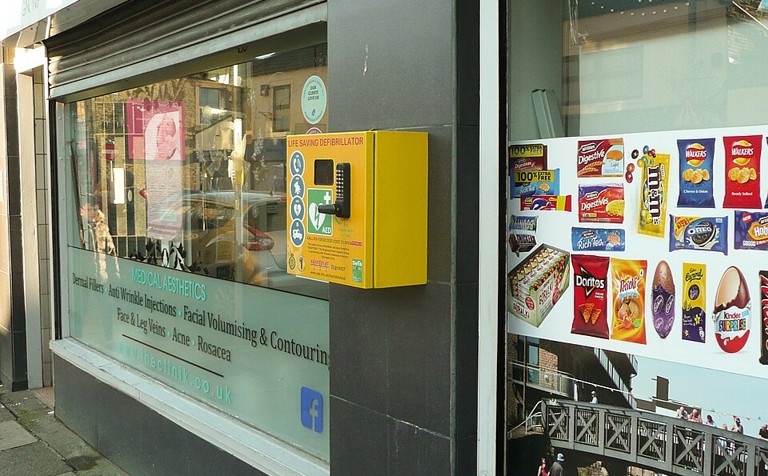
More than 16 million people in England and Wales live over a one-kilometre round trip from their nearest publicly accessible defibrillator available 24 hours a day, according to new analysis by the Heart Restart campaign.
The analysis, reported by The Guardian, examined access to publicly available defibrillators across 318 local authority areas.
It found that around 35 million people, more than half the population of England and Wales do not live within what the campaign described as a three-to-five-minute brisk walk of a defibrillator. In 264 of the 318 local authority areas examined, more than half of residents lived beyond that distance.
The findings also identified significant geographical differences in access. In Harlow, more than 70% of residents were estimated to live at least a 10-minute round trip from their nearest publicly accessible, 24-hour defibrillator. In Birmingham, almost half a million people were reported to live more than 500 metres from the nearest device available around the clock. By comparison, all residents in the City of London and 77% of people in Hartlepool were found to be within the campaign’s recommended distance.
A cardiac arrest happens when the heart suddenly stops pumping blood around the body. It is a medical emergency requiring an immediate call to 999, cardiopulmonary resuscitation and, where available, use of a defibrillator.
Resuscitation Council UK says survival chances fall by around 10% for every minute a person remains in cardiac arrest without CPR and defibrillation. Its latest UK guidance states that approximately 115,000 out-of-hospital cardiac arrests are reported to ambulance services each year, with resuscitation attempted in around 43,000 cases. Fewer than one in 10 people currently survive an out-of-hospital cardiac arrest in the UK.
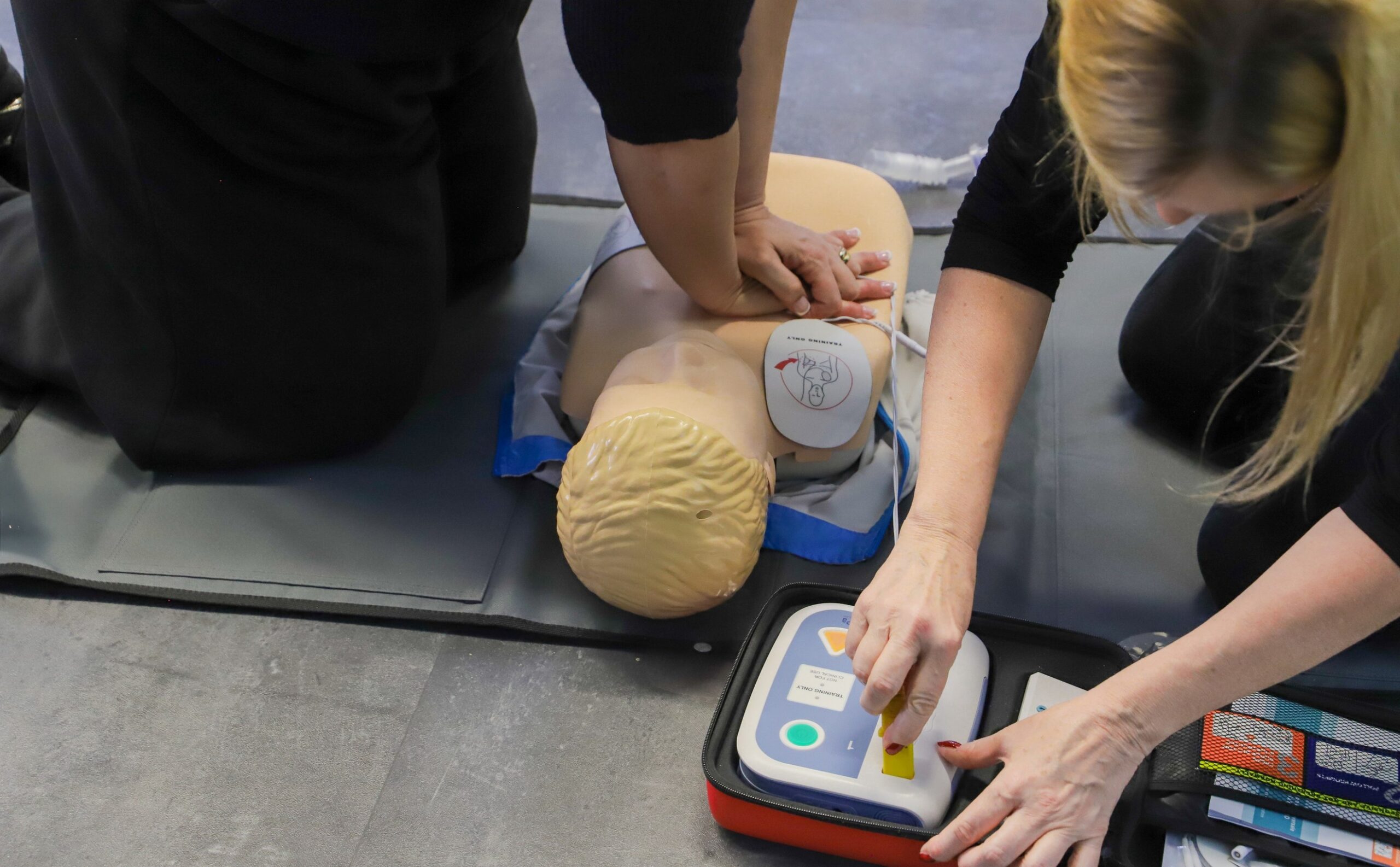
Automated external defibrillators, commonly known as AEDs, analyse a person’s heart rhythm and provide spoken instructions to the person helping. The device will only deliver a shock when it detects a rhythm that can be treated by defibrillation. Resuscitation Council UK says early defibrillation used alongside high-quality CPR can more than double a person’s chance of survival.
The British Heart Foundation has separately announced a campaign offering 400 community defibrillators to areas across the UK with limited access to the equipment.
The charity has identified parts of Barking and Dagenham, Liverpool, Southampton, Nottingham, Wrexham and Newport among areas with significant gaps in provision, alongside communities in Scotland and Northern Ireland.
The devices provided through the programme are expected to be publicly accessible 24 hours a day and registered with The Circuit, the national defibrillator network used by ambulance services.
The new analysis adds to continuing calls for defibrillators to be placed according to community need, particularly in areas experiencing higher levels of deprivation or poorer access to emergency equipment.
Anyone who finds a person who is unconscious and not breathing normally should call 999 immediately and begin CPR. The emergency call handler can provide instructions and advise whether a registered defibrillator is nearby.
Posted by:
Mehala
Editorial Assistant – The Daily Round
Busy day? We’ve got you covered. Get FREE daily news, practical insights, opportunities and wellbeing content, carefully curated for busy health and social care professionals. Just enter your details below to get The Daily Briefing delivered straight to your inbox.
Busy day? We’ve got you covered. Get FREE daily news, practical insights, opportunities and wellbeing content, carefully curated for busy health and social care professionals. Just enter your details below to get The Daily Briefing delivered straight to your inbox.