newsdesk@dailyround.news
Global Care Stories

Discover the latest international news and developments affecting health and social care worldwide. From rising measles cases in the US to major global events, including the death of the world’s youngest reigning monarch at 34, explore the stories shaping communities and making headlines around the world.
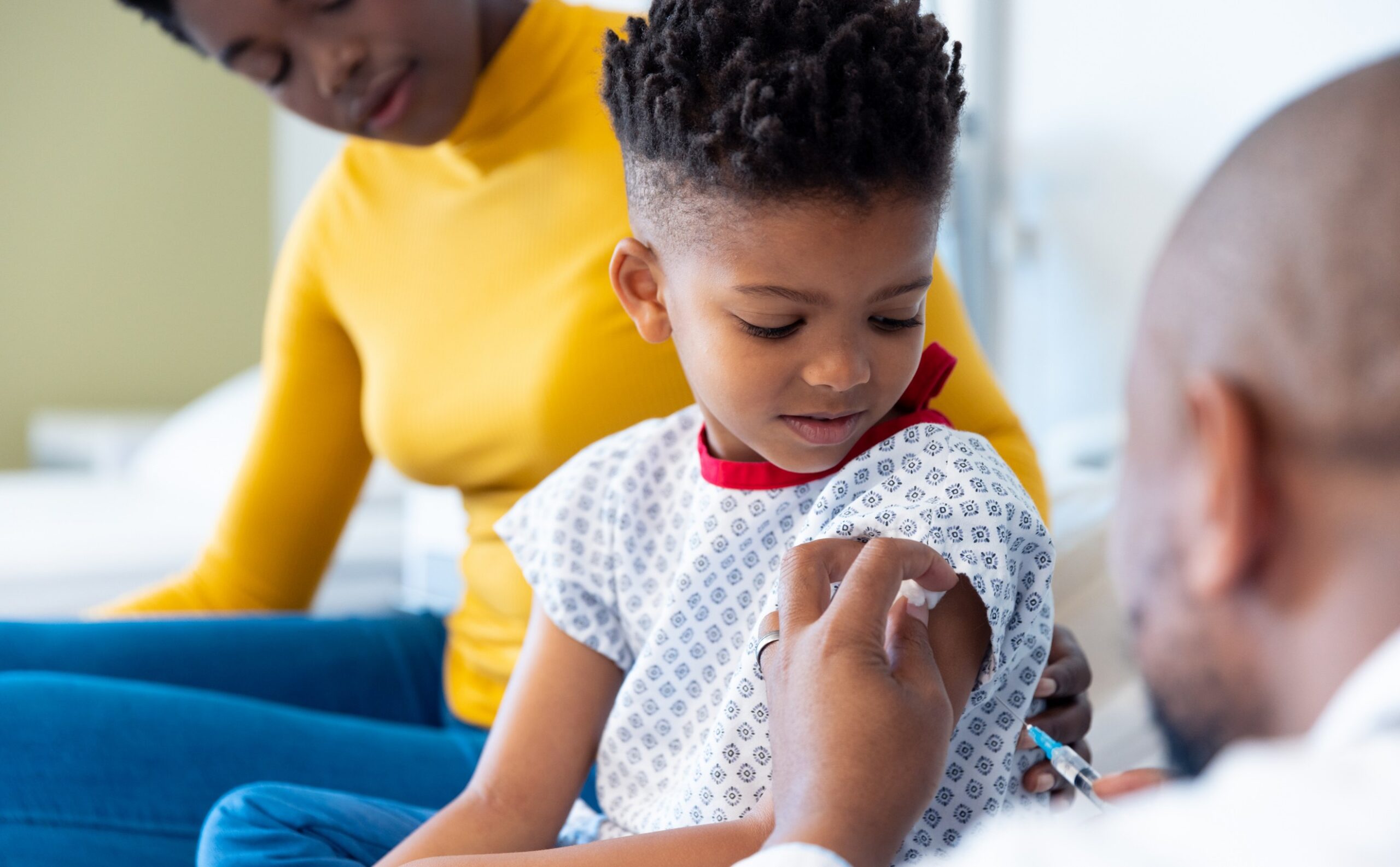
The rollout of malaria vaccines is expanding across Africa following evidence that vaccination can significantly reduce deaths among young children in areas where the disease remains a major health threat.
An evaluation of the RTS,S malaria vaccine programme in Ghana, Kenya and Malawi found a 13% reduction in deaths from all causes among children who were eligible to receive the vaccine. The programme ran from 2019 to 2023 and was designed to assess the public health impact of introducing malaria vaccination through routine immunisation services.
The World Health Organization said the findings provide strong evidence that malaria vaccination can reduce childhood mortality when introduced alongside existing malaria prevention measures. More than two million children were reached during the initial programme in Ghana, Kenya and Malawi.
Two malaria vaccines are now recommended for use in children, RTS,S/AS01 and R21/Matrix-M. Both are intended for areas where malaria transmission presents a significant risk, with countries increasingly incorporating vaccination into their routine childhood immunisation programmes.
The programme is now moving beyond the original pilot countries. Cameroon became the first country outside the initial programme to introduce malaria vaccination routinely in January 2024, initially covering 42 health districts, with plans to expand vaccination further across the country.
WHO has said demand for malaria vaccines is high and vaccine supply is sufficient to support wider deployment, but additional financing is needed to enable countries to purchase vaccines and deliver them alongside other malaria prevention measures.
The expansion is particularly important because the burden of malaria remains heavily concentrated in Africa. Vaccination is intended to complement rather than replace measures such as insecticide-treated mosquito nets, medicines and other malaria prevention and treatment programmes.
The latest evidence strengthens the case for continuing to expand access to malaria vaccination, particularly for young children living in communities where the risk of severe disease and death remains highest.
Posted by:
Mehala
Editorial Assistant – The Daily Round


Busy day? We’ve got you covered. Get FREE daily news, practical insights, opportunities and wellbeing content, carefully curated for busy health and social care professionals. Just enter your details below to get The Daily Briefing delivered straight to your inbox.
Busy day? We’ve got you covered. Get FREE daily news, practical insights, opportunities and wellbeing content, carefully curated for busy health and social care professionals. Just enter your details below to get The Daily Briefing delivered straight to your inbox.