newsdesk@dailyround.news
Inspection and Rating Reports

<p>Explore the latest care inspections, ratings and quality updates across health and social care. We cover inspection outcomes, provider performance and the developments shaping standards of care across the sector.</p>
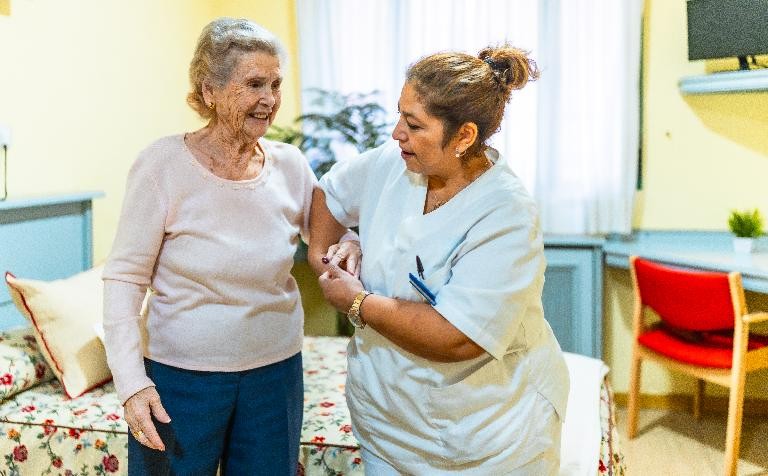
The Care Quality Commission (CQC) has rated Lincolnshire County Council as requires improvement for how well it is meeting its responsibilities to ensure people have access to adult social care and support under the Care Act 2014.
The assessment forms part of CQC’s duty to assess how local authorities work with communities and partners to meet their adult social care responsibilities. Lincolnshire County Council was previously assessed in 2023 while CQC was piloting its approach.
CQC assessed the council across nine areas and awarded each a score from one to four, where one indicates significant shortfalls and four represents an exceptional standard.
The council received the following scores:
Inspectors found the council had foundations in place to improve access to support but identified areas where further work was needed, particularly around care provision, continuity and pathways.
People reported mixed experiences of accessing adult social care. CQC found that unscheduled reviews of people’s care went through the customer service centre before being referred to the assessment team, while scheduled reviews were carried out by a dedicated review team. This was confusing for some people.
Inspectors also found there were gaps in the range of local support available. Autistic people, people with learning disabilities and people with mental health needs sometimes had to use residential care because alternative, less restrictive options were limited. Council leaders recognised the issue and had plans to increase the capacity of alternative services.
Other gaps in provision included limited transport services and interpretation services for people with specific communication needs. CQC said these issues could prevent people from accessing the right support when they needed it. Staff managed these challenges and raised concerns when risks could not be managed.
Young people’s experiences of moving into adult services were mixed, with some finding the transition difficult while others reported that the process worked well.
CQC also found people were not always able to access equipment and minor adaptations to their homes quickly.
However, inspectors identified a number of strengths within the council’s adult social care provision.
Unpaid carers largely reported positive experiences of accessing services, with assessments and reviews completed in a timely manner. Carers described support that had benefited their wellbeing, including grants to purchase items, although some said they had not been offered a carer’s assessment.
Inspectors found staff gave people choices about their care and considered their personal histories and ambitions when carrying out assessments. CQC said this was reflected in positive feedback through the council’s assessment satisfaction survey.
Safeguarding was another area of strength. The council had systems and processes in place to protect people from abuse and neglect, with staff managing safeguarding referrals effectively and clear decision-making processes in place.
Almost 43% of people accessing care received direct payments, compared with an England average of 24.51%, giving people greater control over how their needs were met.
CQC also highlighted the council’s understanding of inequalities across Lincolnshire, including areas of deprivation along the coast and rural communities with ageing populations. Leaders had developed their understanding of the inequalities experienced by different groups and worked to address their causes and impact.
Partnership working with communities and the voluntary sector was also recognised, with the council working alongside partners to prevent, reduce and delay people’s need for care and achieve shared outcomes.
Staff told inspectors they felt valued and motivated. Recent restructuring was described positively by staff, while leaders provided opportunities for development and placed an emphasis on staff wellbeing and equality in the workplace.
Mary Cridge, CQC’s director of adult social care, said the council knew where improvements were required and had plans to address the areas identified.
CQC concluded that while Lincolnshire County Council had several areas of positive practice to build on, improvements were needed to ensure people could consistently access the care and support they required.
Posted by:
K Jadon
Editorial Assistant – The Daily Round


Busy day? We’ve got you covered. Get FREE daily news, practical insights, opportunities and wellbeing content, carefully curated for busy health and social care professionals. Just enter your details below to get The Daily Briefing delivered straight to your inbox.
Busy day? We’ve got you covered. Get FREE daily news, practical insights, opportunities and wellbeing content, carefully curated for busy health and social care professionals. Just enter your details below to get The Daily Briefing delivered straight to your inbox.