
 newsdesk@dailyround.news
UK News

<p>Stay up to date with the latest health and social care news from across the UK. From breaking stories and sector developments to the people, organisations and issues making the news.</p>

Recent heatwaves across the UK have placed significant pressure on NHS services, with some hospitals delaying diagnostic scans and surgical procedures as ageing infrastructure struggles to cope with sustained high temperatures.
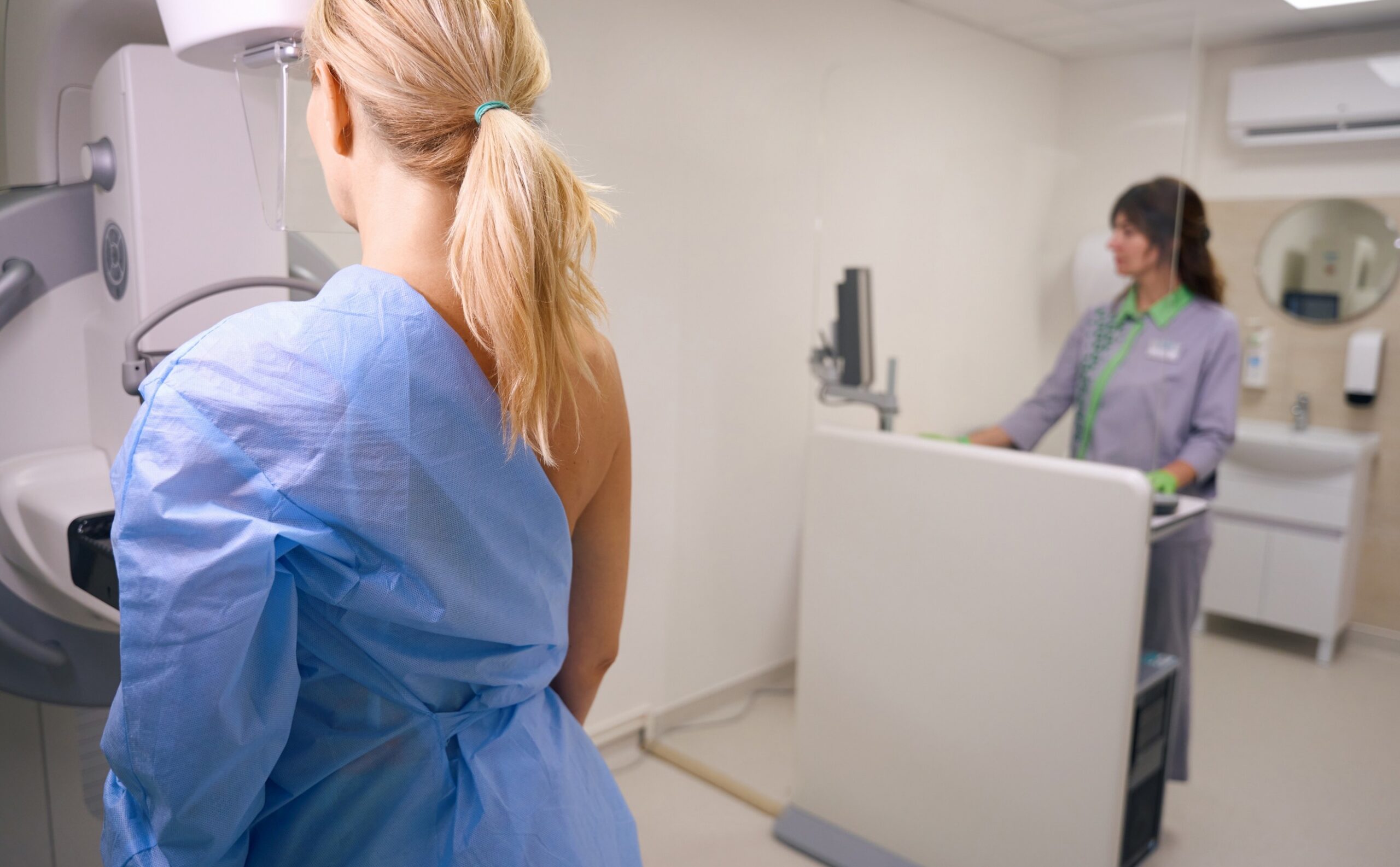
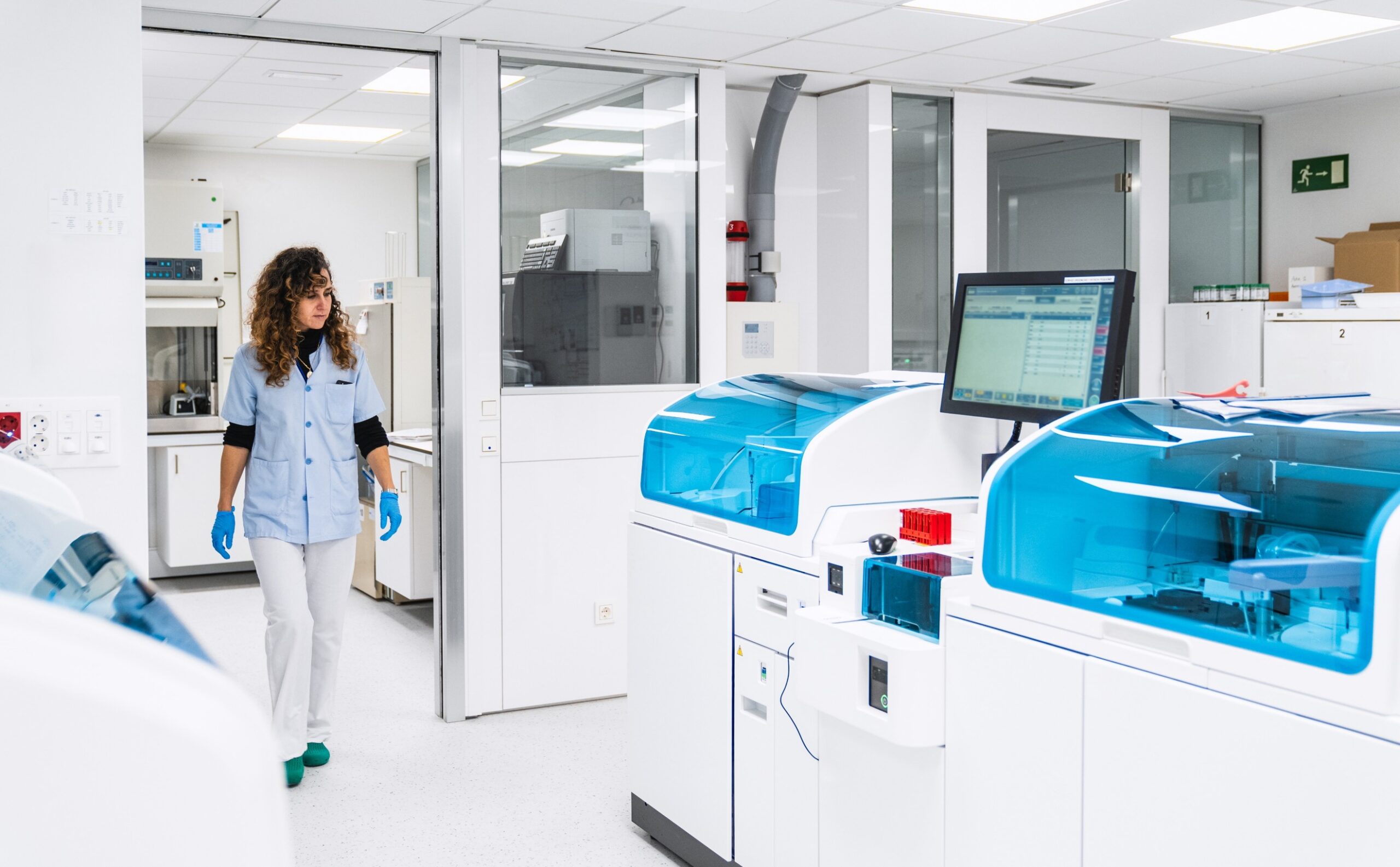
According to reports, several NHS trusts have experienced disruption after cooling systems failed or were unable to maintain safe operating temperatures for clinical equipment. Some hospitals declared critical incidents, while others postponed MRI scans, blood tests and planned surgery due to the impact of extreme heat on equipment and clinical environments.
At the Norfolk and Norwich University Hospital, hundreds of MRI appointments were cancelled after scanners were taken out of service because of overheating. Other hospitals have reported similar challenges where cooling systems supporting theatres, imaging departments and digital infrastructure have come under strain during prolonged periods of hot weather.
The Royal College of Surgeons of England has warned that excessive temperatures can make operating theatres more difficult to maintain safely, with heat and humidity affecting both staff and essential equipment. The College said some operations have been delayed or cancelled because environmental conditions became unsuitable for safe surgery.
General practice has also experienced increased demand. NHS England reported that GP teams delivered 34.9 million appointments in June, around 10% more than in June 2025, while emergency departments recorded their busiest June on record, averaging more than 81,000 attendances each day. NHS leaders said the summer heat has placed pressures on services comparable to those usually experienced during winter.
The UK Health Security Agency (UKHSA) has estimated that 2,877 excess deaths occurred during the May and June heatwaves, with older people and those with existing health conditions at greatest risk. The agency has warned that, if current weather patterns continue, 2026 could record the highest number of heat-associated deaths on record.
Health organisations continue to call for greater investment in NHS estates and infrastructure to improve resilience to increasingly frequent periods of extreme heat and reduce disruption to patient care.
Register with The Daily Round for the latest sector news, inspections & reports, wellbeing content, workforce insights, expert features and practical updates—delivered free to your inbox.
Posted by:
M Ramalani
Editorial Assistant – The Daily Round

Busy day? We’ve got you covered. Get FREE daily news, practical insights, opportunities and wellbeing content, carefully curated for busy health and social care professionals. Just enter your details below to get The Daily Briefing delivered straight to your inbox.
Busy day? We’ve got you covered. Get FREE daily news, practical insights, opportunities and wellbeing content, carefully curated for busy health and social care professionals. Just enter your details below to get The Daily Briefing delivered straight to your inbox.