newsdesk@dailyround.news
UK News

Stay up to date with the latest health and social care news from across the UK. From breaking stories and sector developments to the people, organisations and issues making the news.
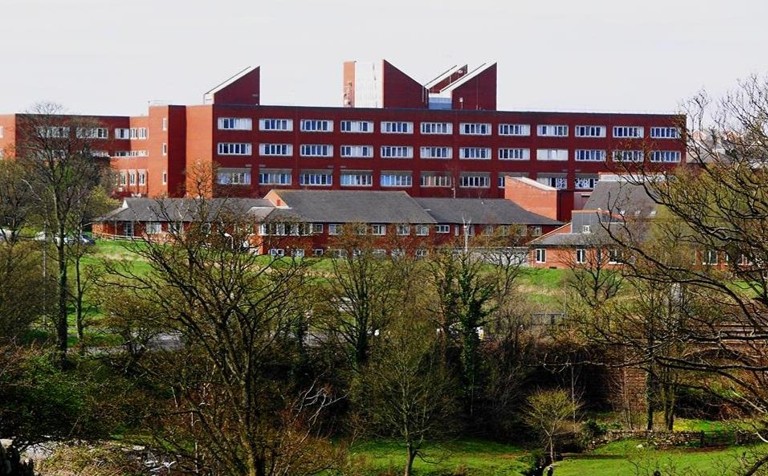
The permanent withdrawal of Level 3 intensive care from Furness General Hospital has been recommended, but NHS leaders have stressed that no final decision has been made.
Level 3 care, which supports the most seriously ill patients requiring ventilation or support for multiple organs, has been temporarily suspended at the Barrow-in-Furness hospital since September 2024.
Furness General continues to provide Level 1 and Level 2 critical care. Patients who require Level 3 treatment are stabilised at the hospital before being transferred to the intensive care unit at Royal Lancaster Infirmary or another appropriate provider. They can return to Furness once they no longer require the highest level of care.
The temporary change was introduced because of concerns about clinical safety, staffing and low patient numbers. The hospital had three consultants covering a rota designed for eight, while demand for Level 3 beds was described as low and declining.
University Hospitals of Morecambe Bay NHS Foundation Trust subsequently recommended making the arrangement permanent. The proposal has faced opposition from local clinicians, residents and Barrow and Furness MP Michelle Scrogham, who has campaigned for the restoration of the service.
The North East and Yorkshire Clinical Senate visited Furness General and Royal Lancaster Infirmary on 14 and 15 September to examine the existing arrangements. Its review considered patient outcomes, workforce sustainability, transfers between hospitals, operational resilience and wider NHS priorities.
Panel members recognised that progress had been made to strengthen critical care in Barrow and described the service as vital to the hospital. However, they concluded that it remained fragile and required a trust-wide approach to provide the safest possible care.
The Clinical Senate will now analyse the evidence gathered during its visit, with a full report expected to be submitted to NHS Lancashire and South Cumbria Integrated Care Board later this year.
The Senate can make recommendations but cannot determine the service’s future. Any permanent change must pass through the NHS service-change process, meaning the current arrangement remains temporary while the review continues.
For local residents, the distinction between retaining an intensive care unit and losing its highest level of treatment is significant. The final decision will need to demonstrate that patient safety includes not only the quality of specialist care, but also the risks created when critically ill patients must be transported more than an hour to another hospital.
Posted by:
Mehala
Editorial Assistant – The Daily Round



Busy day? We’ve got you covered. Get FREE daily news, practical insights, opportunities and wellbeing content, carefully curated for busy health and social care professionals. Just enter your details below to get The Daily Briefing delivered straight to your inbox.
Busy day? We’ve got you covered. Get FREE daily news, practical insights, opportunities and wellbeing content, carefully curated for busy health and social care professionals. Just enter your details below to get The Daily Briefing delivered straight to your inbox.