
 newsdesk@dailyround.news
UK News

<p>Stay up to date with the latest health and social care news from across the UK. From breaking stories and sector developments to the people, organisations and issues making the news.</p>
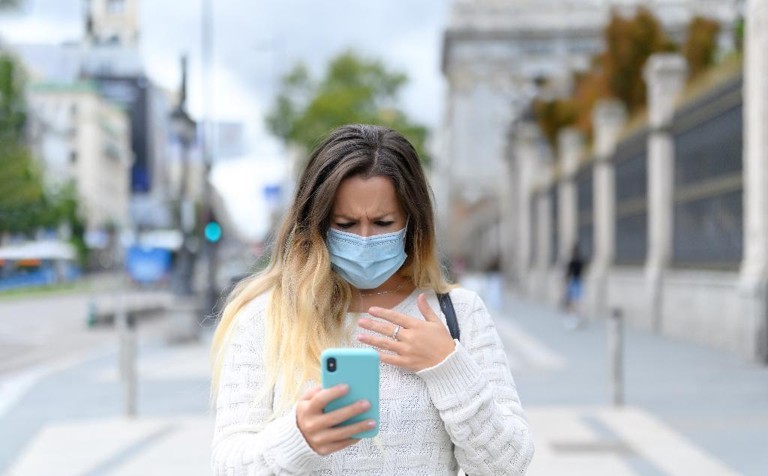
Healthcare leaders have warned that AI-generated health advice shared on social media is becoming a growing threat to public safety, following research which found that artificial intelligence is increasingly being used to create convincing but misleading “doctor” videos viewed by millions of people.
Analysis by digital marketing agency Hallam examined 1,198 health-related videos on TikTok and found that AI-generated or AI-assisted content appeared in 40% of the platform’s top health videos. For searches relating to “health tips”, the figure rose to 84%. The most popular AI-generated health videos received an average of 2.5 million views.
Researchers found that some AI-generated avatars, designed to resemble medical professionals, promoted false claims about cancer risks and endorsed unproven remedies and products. Among the misinformation identified were disproven claims linking cancer to deodorant use, microwaving food in plastic containers, and sleeping next to a mobile phone. These claims have been rejected by evidence reviewed by Cancer Research UK.
The findings have prompted concern across the healthcare sector. NHS England’s National Medical Director, Professor Frankie Swords, said clinicians are seeing increasing numbers of patients who are worried or confused by inaccurate health information created to generate online engagement. The Royal College of General Practitioners and the British Medical Association have also warned that misleading AI-generated content has the potential to cause real harm by encouraging unsafe health decisions and delaying appropriate medical care.
The issue is particularly significant as social media continues to play a growing role in how people seek health information. A recent Healthwatch England survey found that around one in five adults in England now use social media as a source of health advice, highlighting the importance of ensuring reliable, evidence-based information is easy to access.
TikTok said it removes harmful health misinformation, including AI-generated content, and works with organisations including the World Health Organization and the NHS to provide reliable health information. However, healthcare experts say platforms must continue to strengthen safeguards as AI-generated content becomes increasingly sophisticated and difficult for users to distinguish from genuine medical advice.
Register with The Daily Round for the latest sector news, inspections & reports, wellbeing content, workforce insights, expert features and practical updates—delivered free to your inbox.
Posted by:
M Ramalani
Editorial Assistant – The Daily Round


Busy day? We’ve got you covered. Get FREE daily news, practical insights, opportunities and wellbeing content, carefully curated for busy health and social care professionals. Just enter your details below to get The Daily Briefing delivered straight to your inbox.
Busy day? We’ve got you covered. Get FREE daily news, practical insights, opportunities and wellbeing content, carefully curated for busy health and social care professionals. Just enter your details below to get The Daily Briefing delivered straight to your inbox.