newsdesk@dailyround.news
Inspection and Rating Reports

<p>Explore the latest care inspections, ratings and quality updates across health and social care. We cover inspection outcomes, provider performance and the developments shaping standards of care across the sector.</p>
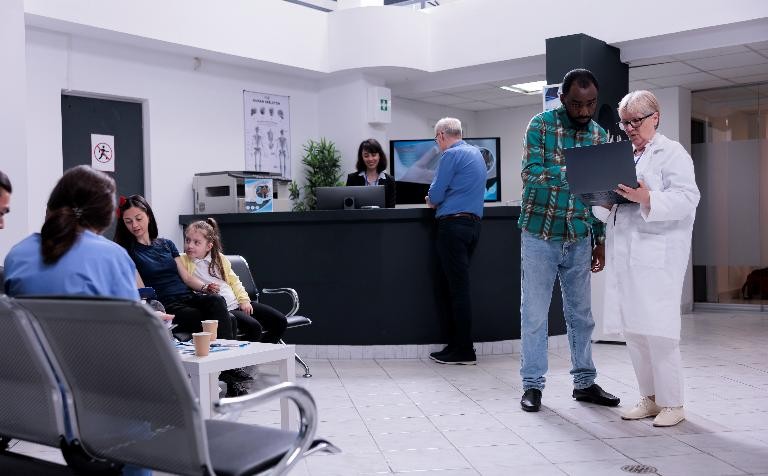
The Care Quality Commission has downgraded urgent and emergency care and medical care at The Queen Elizabeth Hospital in King’s Lynn from good to requires improvement.
The unannounced inspection took place in April after CQC received concerns about emerging risks at the hospital, which is operated by The Queen Elizabeth Hospital King’s Lynn NHS Foundation Trust.
Urgent and emergency care was rated requires improvement for safety, effectiveness, responsiveness and leadership, while caring remained rated good.
Within medical care, the ratings for effectiveness, caring and leadership fell from good to requires improvement. Safety and responsiveness were also rated requires improvement.
The hospital’s overall rating remains requires improvement.
Inspectors identified one breach of regulation relating to dignity and respect within urgent and emergency care. A further six breaches were found across the two services, covering safe care and treatment, mental capacity assessment records, management of identified risks, mandatory training, medicines management and governance.
CQC also issued two warning notices requiring urgent action to improve patient safety and the management of services.
In urgent and emergency care, inspectors found people were not consistently triaged within the 15-minute target and could face long waits for assessment. The risk of patients deteriorating was not always monitored promptly or consistently, while concerns were also identified around the storage and monitoring of medicines.
Although patients and their families generally described staff as kind and respectful, they said communication about waiting times could be improved.
Inspectors found mandatory training compliance, including adult and child safeguarding, was not always sufficient. Leaders had also failed to ensure some equipment was properly serviced and clearly fit for use.
Within medical care, staffing levels did not always meet patients’ needs. Some people waited for help after using call bells and experienced delays in receiving pain relief.
Risk assessments were completed when patients were admitted, but identified risks were not always addressed. Patients did not always have access to their care plans or understand how these could be personalised.
Compliance was poor across 10 of the 29 mandatory training areas, despite staff being allocated time to complete the training.
CQC also found weaknesses in incident reporting and organisational learning. Some staff viewed the reporting process as punitive, while incidents including falls on the acute medical unit were not always formally recorded.
Inspectors said leaders lacked sufficient oversight of staff performance and did not have effective systems for identifying and addressing areas requiring improvement.
CQC has instructed the trust to make further improvements and will continue monitoring the services while the required changes are implemented.
Posted by:
K Jadon
Editorial Assistant – The Daily Round



Busy day? We’ve got you covered. Get FREE daily news, practical insights, opportunities and wellbeing content, carefully curated for busy health and social care professionals. Just enter your details below to get The Daily Briefing delivered straight to your inbox.
Busy day? We’ve got you covered. Get FREE daily news, practical insights, opportunities and wellbeing content, carefully curated for busy health and social care professionals. Just enter your details below to get The Daily Briefing delivered straight to your inbox.