newsdesk@dailyround.news
Inspection and Rating Reports

<p>Explore the latest care inspections, ratings and quality updates across health and social care. We cover inspection outcomes, provider performance and the developments shaping standards of care across the sector.</p>
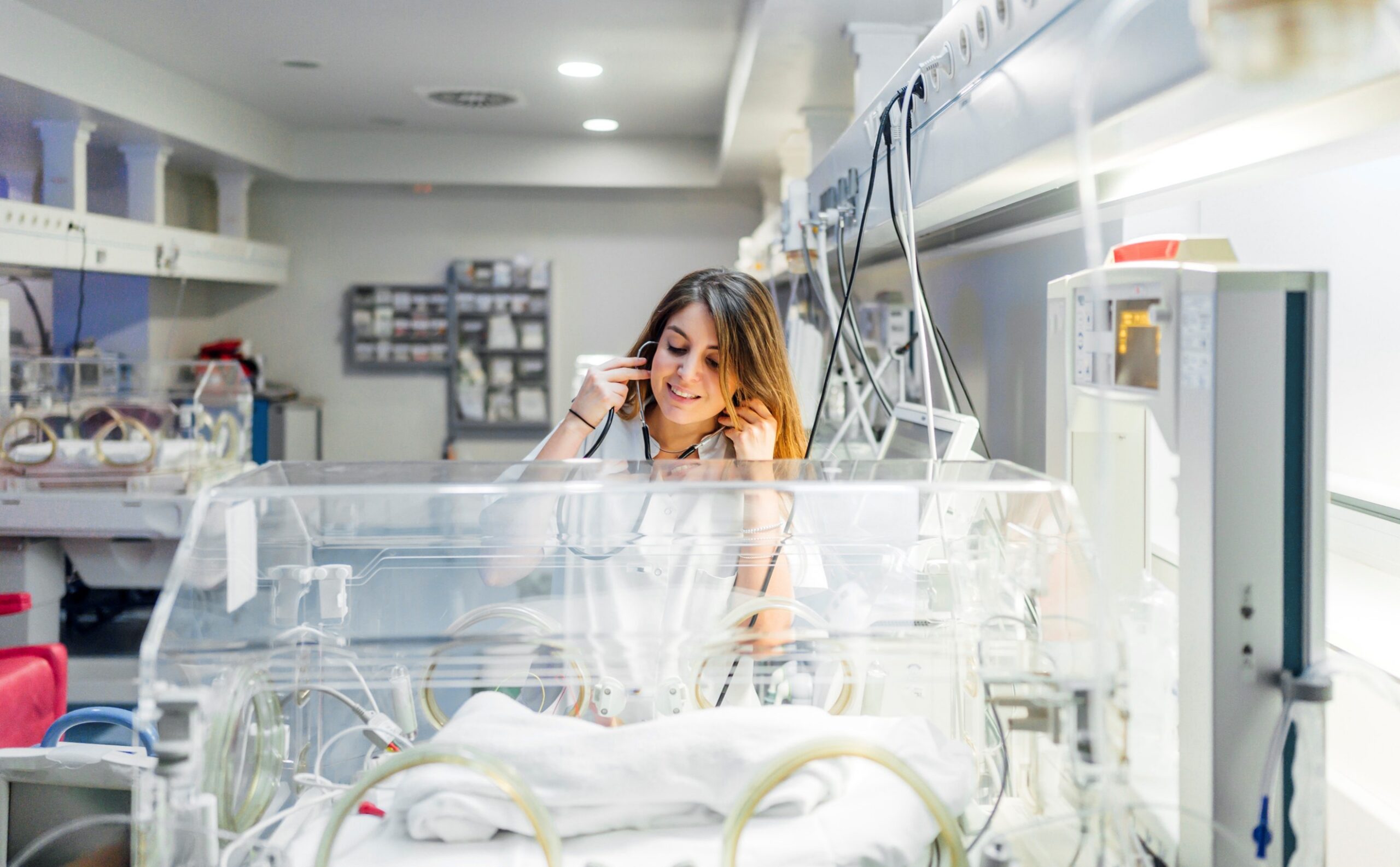
Neonatal services at John Radcliffe Hospital in Oxford have been rated good by the Care Quality Commission (CQC), although inspectors identified concerns about cramped facilities and the management of patient records.
The neonatal unit, run by Oxford University Hospitals NHS Foundation Trust, provides acute care for babies from across Oxfordshire and surrounding areas. The inspection took place in January and was carried out as part of the CQC’s work to gain full oversight of maternity and neonatal services at the trust. It was the first time neonatal services at John Radcliffe Hospital had been inspected independently from maternity or children and young people’s services.
Following the inspection, the service was rated good across all five areas assessed – safe, effective, caring, responsive and well-led. Inspectors praised staff for providing compassionate and family-centred care, with parents actively involved in decisions about their babies. Families were routinely included in ward rounds to help them understand their baby’s condition and proposed treatment.
Amanda Williams, CQC deputy director of hospitals, secondary and specialist care in the South East, said: “At this inspection, we found a neonatal unit where staff were providing safe and compassionate care to families during a vulnerable and stressful time for them.
“It was encouraging to see the trust taking a family-centred approach, ensuring families were actively involved in care planning and decision-making for their babies.” Inspectors particularly highlighted the care provided to families when babies were diagnosed with life-limiting conditions. Staff were found to approach sensitive conversations about treatment with kindness and respect while ensuring care reflected the wishes of individual families.
Feedback from parents was overwhelmingly positive, with one mother telling inspectors that although the eight weeks her son spent on the unit had been extremely difficult, knowing staff were taking good care of him helped her cope. The unit had also made significant progress in supporting mothers to provide breast milk.
In 2022, 57% received support within the expected timeframe. By the time of the inspection, this had increased to 92%. Staff were found to have a good understanding of safeguarding and were confident in recognising and escalating cases of sepsis and perinatal infection.
Regular simulation exercises were also carried out to prepare staff for complex situations, including multiple births and baby abduction. Inspectors praised the unit’s discharge outreach team, which supports families as babies transition from hospital to home.
Parents were given training to help them confidently manage ongoing care needs, including oxygen therapy and tube feeding. However, the CQC identified several areas requiring improvement.
The neonatal unit has been operating from what was originally intended to be a temporary location since 2016. Inspectors found the high dependency area was particularly cramped, making it difficult for staff to move around during emergencies and reducing privacy for families. Williams said leaders were aware of the problems but needed to make “faster progress” to ensure the physical environment supported the quality of care being delivered.
Inspectors also raised concerns about the use of three separate patient record systems.
While babies’ records were generally well maintained, neonatal staff could not access some information held elsewhere, including antenatal records, and leaders were not considered to have fully recognised the risks created by the fragmented systems.
The inspection also found that when the unit’s bereavement suite was already occupied, sensitive conversations with families sometimes had to take place in a nurses’ office. Two breaches of regulations were identified relating to the environment within the high dependency unit and the management of record systems.
The CQC has told Oxford University Hospitals NHS Foundation Trust to submit an action plan detailing how it will address the concerns.
Posted by:
Mehala
Editorial Assistant – The Daily Round



Busy day? We’ve got you covered. Get FREE daily news, practical insights, opportunities and wellbeing content, carefully curated for busy health and social care professionals. Just enter your details below to get The Daily Briefing delivered straight to your inbox.
Busy day? We’ve got you covered. Get FREE daily news, practical insights, opportunities and wellbeing content, carefully curated for busy health and social care professionals. Just enter your details below to get The Daily Briefing delivered straight to your inbox.