
 newsdesk@dailyround.news
UK News

<p>Stay up to date with the latest health and social care news from across the UK. From breaking stories and sector developments to the people, organisations and issues making the news.</p>

Cancer care is entering a period of significant change, with NHS leaders placing greater emphasis on earlier diagnosis, personalised medicine and new technologies designed to improve patient outcomes.
The recently published National Cancer Plan for England sets out ambitions to improve cancer survival rates, reduce inequalities in access to care and accelerate the adoption of innovative treatments and diagnostic tools.
While many of the changes will take time to implement, healthcare leaders believe advances in genomics, artificial intelligence and earlier detection could transform how cancer is diagnosed and treated over the coming years.
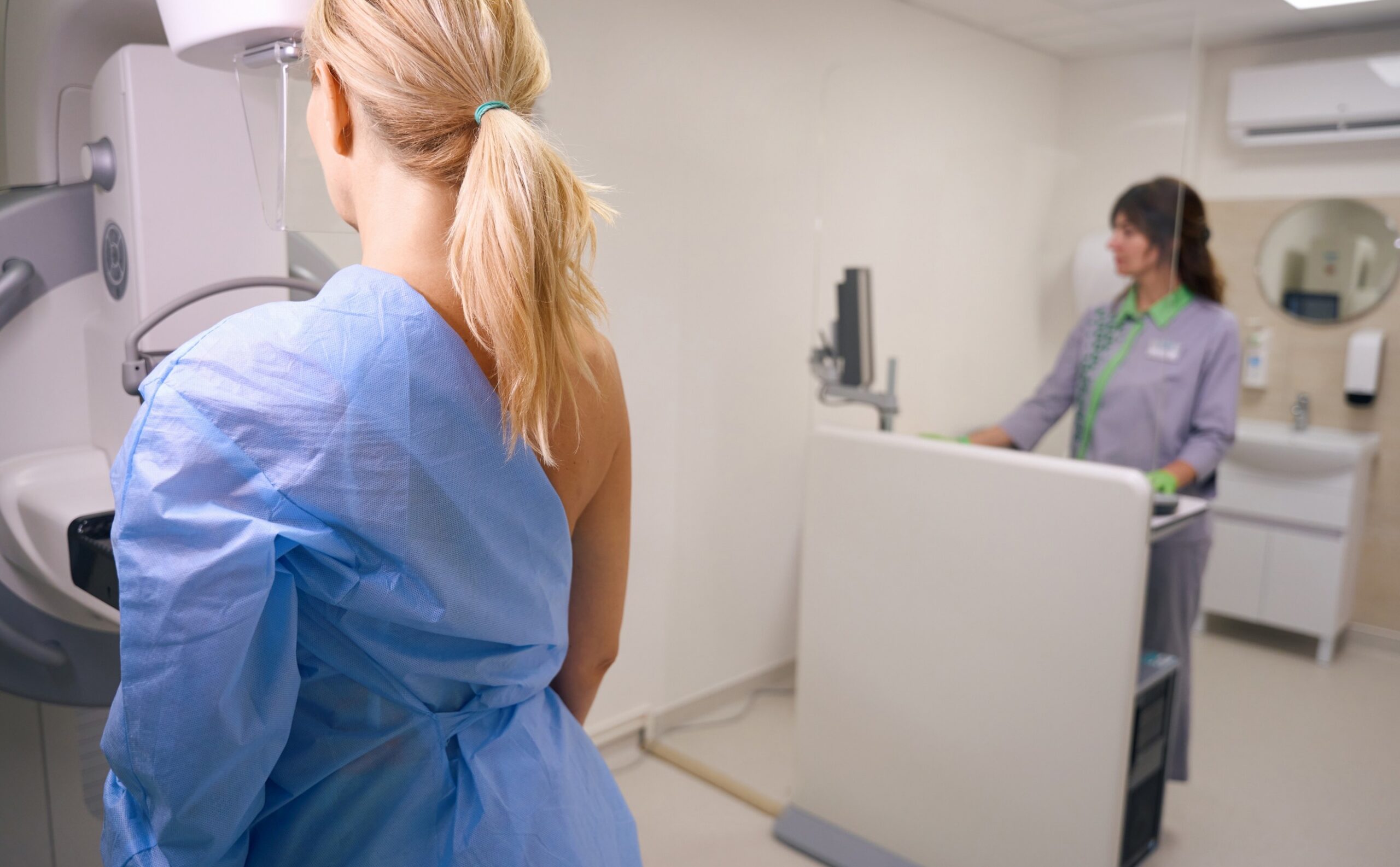
One of the central themes of the NHS Cancer Plan is improving the early diagnosis of cancer.
Research consistently shows that cancers identified at an earlier stage are often easier to treat and can lead to better outcomes for patients.
To support this goal, the NHS continues to invest in:
The aim is to identify cancers sooner and reduce the time between symptom presentation, diagnosis and treatment.
Healthcare leaders have repeatedly stated that earlier diagnosis remains one of the most effective ways to improve cancer survival rates.
One of the most significant developments in modern cancer care is the growing use of personalised medicine.
Rather than treating all patients with the same diagnosis in the same way, personalised medicine uses information about an individual’s cancer to help guide treatment decisions.
This approach is increasingly supported by genomic testing, which analyses genetic changes within cancer cells.
By understanding the genetic characteristics of a tumour, clinicians may be able to identify treatments that are more likely to be effective for a particular patient.
In some cases, genomic testing can help determine whether a patient may benefit from targeted therapies that would not have been considered under traditional treatment approaches.
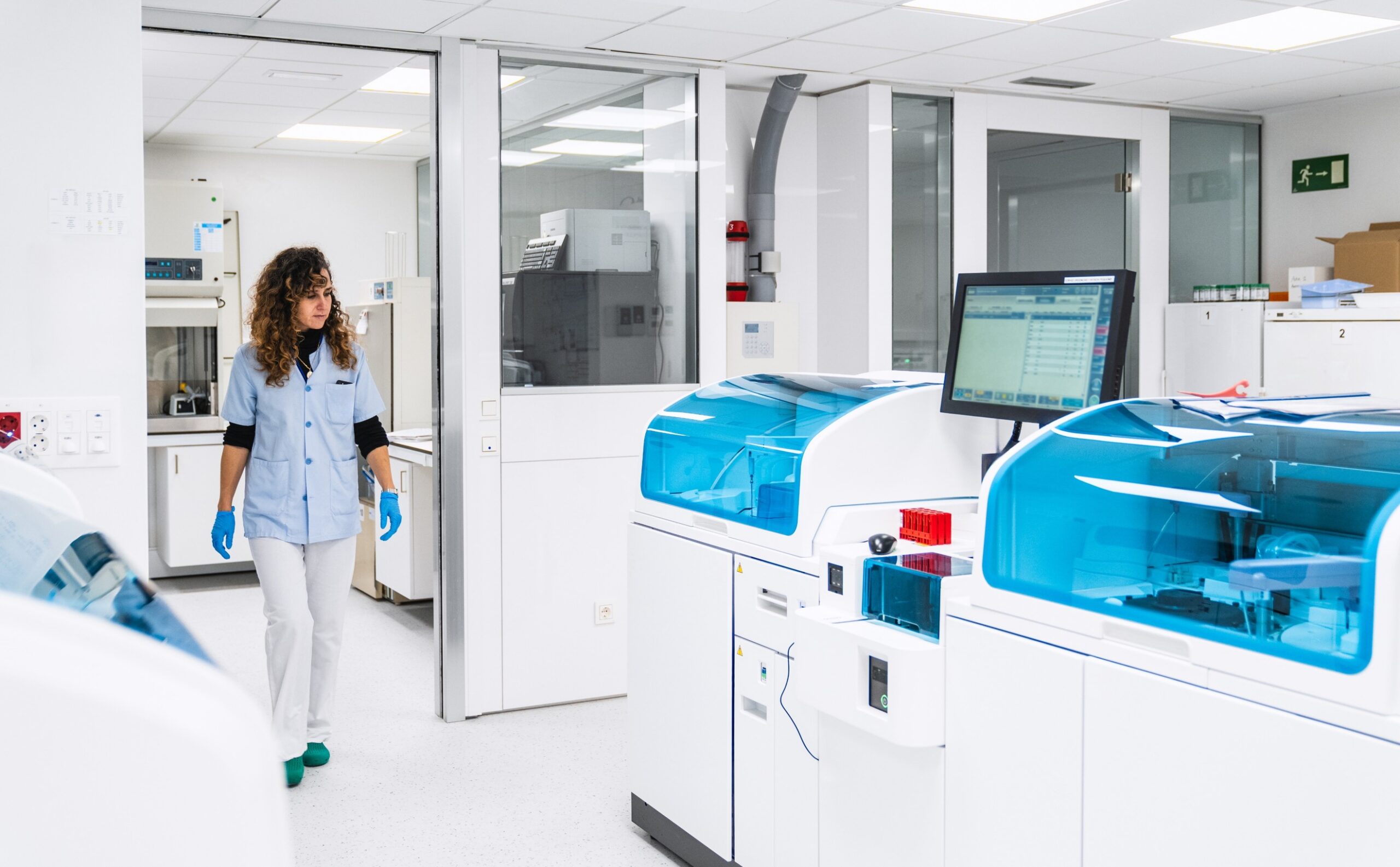
Genomic testing examines DNA changes associated with cancer.
Through the NHS Genomic Medicine Service, genomic testing is already being used across a range of cancer pathways.
The NHS has stated its ambition to expand access to genomic testing where evidence demonstrates clinical benefit.
Healthcare leaders believe genomic medicine has the potential to:
As scientific understanding continues to evolve, genomics is expected to play an increasingly important role within cancer services.
Technology is becoming a growing part of the cancer pathway.
Across the NHS, organisations are exploring how digital innovation can support earlier diagnosis and more efficient care.
Areas of development include:
While these technologies are intended to support rather than replace clinical decision-making, healthcare leaders believe they could help clinicians identify potential cancers more quickly and manage growing demand for services.
For patients, the combination of earlier diagnosis, genomic medicine and technological innovation could lead to:
However, experts also recognise that implementation will take time and that workforce capacity, infrastructure and equitable access remain important challenges.
Cancer care does not begin and end in hospitals.
Many people living with cancer receive support from community healthcare services, primary care providers, hospices, domiciliary care services, care homes and wider social care organisations.
As cancer treatments become increasingly personalised, providers across the health and care sector will need a greater understanding of:
The continued shift towards personalised medicine means collaboration across health and social care will become increasingly important in supporting people throughout their cancer journey.
The NHS Cancer Plan reflects a broader ambition to move cancer care towards earlier detection, more personalised treatment and greater use of innovation.
While many of the proposed developments will require continued investment and implementation over several years, healthcare leaders believe advances in genomics and technology could play a major role in improving outcomes for future generations of patients.
For patients and healthcare professionals alike, the message is clear: cancer care is evolving, and the way cancer is diagnosed and treated may look very different in the years ahead.
Posted by:
Mehala
Editorial Assistant – The Daily Round


Busy day? We’ve got you covered. Get FREE daily news, practical insights, opportunities and wellbeing content, carefully curated for busy health and social care professionals. Just enter your details below to get The Daily Briefing delivered straight to your inbox.
Busy day? We’ve got you covered. Get FREE daily news, practical insights, opportunities and wellbeing content, carefully curated for busy health and social care professionals. Just enter your details below to get The Daily Briefing delivered straight to your inbox.