newsdesk@dailyround.news

UK News

<p data-pm-slice="1 1 []">Stay up to date with the latest health and social care news from across the UK. From <a href="https://dailyround.news/children-as-young-as-six-increasingly-arriving-at-ae-in-mental-health-crisis/">children’s mental health crises</a> and <a href="https://dailyround.news/ofsted-publishes-new-toolkit-for-inspecting-prison-and-yoi-education/">new inspection guidance for prison education</a> to <a href="https://dailyround.news/thousands-of-women-may-be-living-with-undiagnosed-ptsd-after-childbirth-study-finds/">women’s mental health after childbirth</a> and <a href="https://dailyround.news/zero-hours-contract-reforms-could-cost-uk-employers-up-to-3bn-a-year/">employment reforms affecting UK employers</a>, discover the stories and developments shaping the sector.</p>
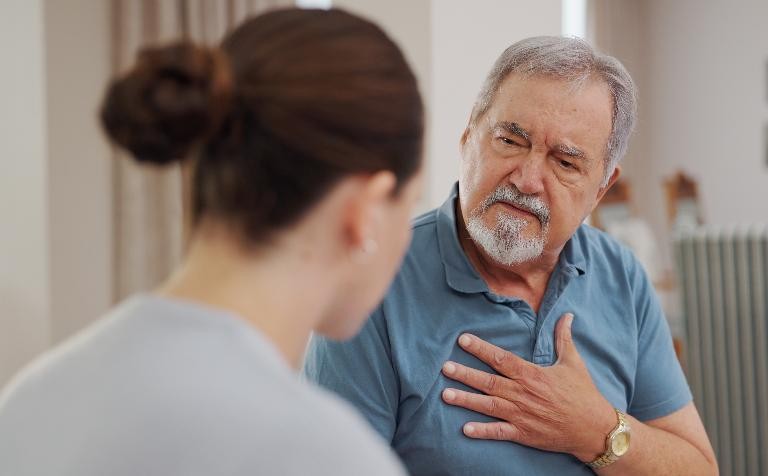
Hundreds of patients with heart failure are receiving specialist NHS treatment from home through a programme designed to introduce lifesaving medication more quickly and reduce hospital admissions.
Barts Health NHS Trust’s Structured Titration and Rapid Treatment for Heart Failure service, known as STaRT-HF, allows pharmacists and doctors to monitor patients remotely. Participants submit daily blood pressure and heart-rate readings through a secure online platform, enabling medication to be adjusted without repeated hospital visits.
The programme aims to place patients on the most important drugs within two weeks and the full recommended treatment within six weeks. Under conventional hospital-centred care, some people can wait more than a year to reach the right combination and dosage.
Since its introduction two years ago, 445 patients have taken part. Barts clinicians said none had died or required hospital admission while enrolled, while more than 90% were receiving the correct medication regimen within 60 days. The service has now secured permanent funding.
An estimated £2 million was saved through reduced inpatient admissions during its first year. Clinicians believe this could rise to £5 million if the approach were extended across the wider health system.
Patients still attend occasional blood tests and collect medicines from local pharmacies, but most of their care is managed from their own homes. The programme reflects the NHS’s wider ambition to move more treatment out of hospitals and into community settings.
Posted by:
K Jadon
Editorial Assistant – The Daily Round


Busy day? We’ve got you covered. Get FREE daily news, practical insights, opportunities and wellbeing content, carefully curated for busy health and social care professionals. Just enter your details below to get The Daily Briefing delivered straight to your inbox.
Busy day? We’ve got you covered. Get FREE daily news, practical insights, opportunities and wellbeing content, carefully curated for busy health and social care professionals. Just enter your details below to get The Daily Briefing delivered straight to your inbox.