

Women's Health

Practical tips, guidance, and inspiration to support your physical, mental, and emotional wellbeing every day.
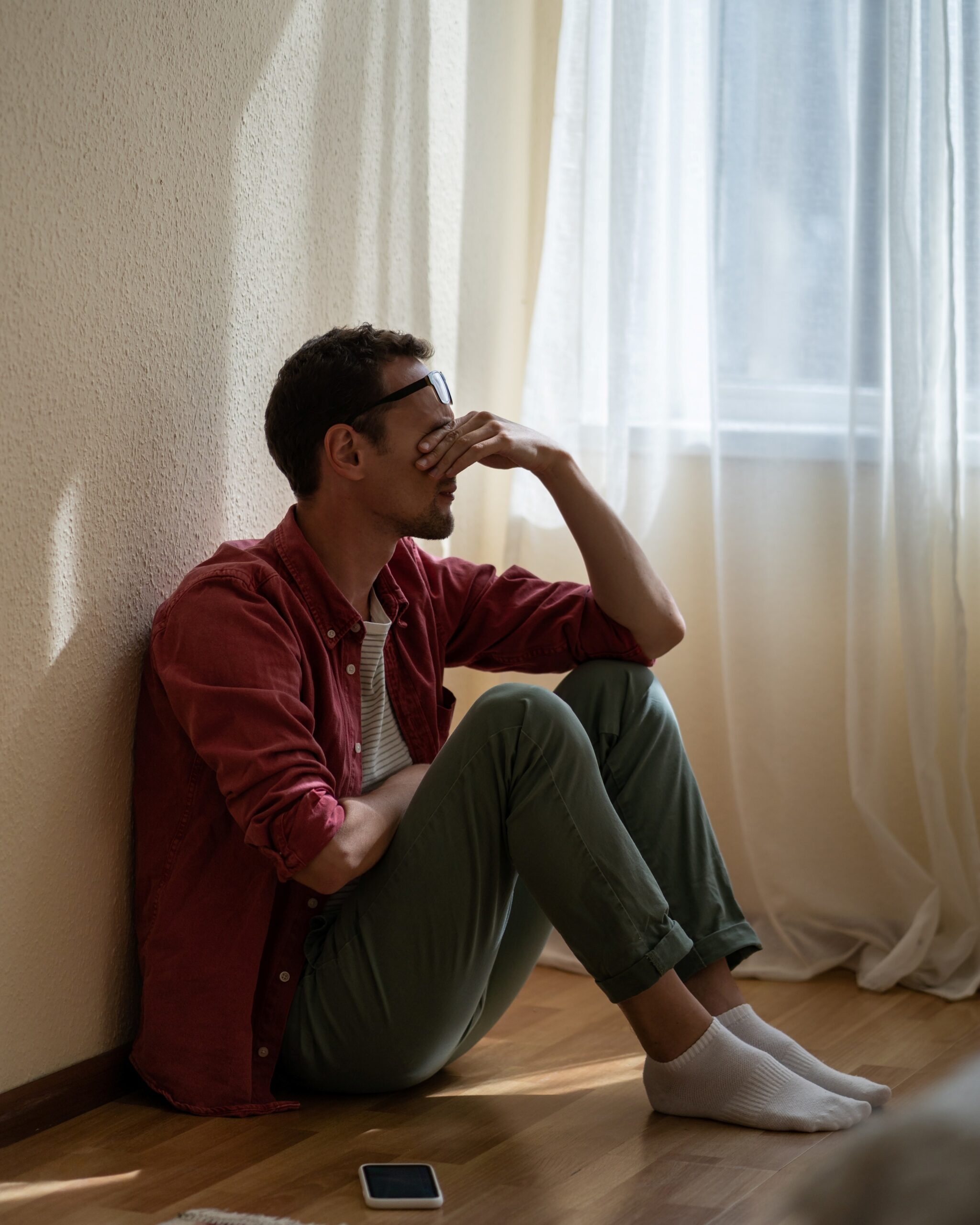



Hot weather is often presented as something everybody should enjoy. Sunshine means barbecues, days outside, lighter evenings and smiling photographs accompanied by comments about making the most of it. But when temperatures remain high for days or nights at a time, many people do not feel happier. They feel exhausted, restless, anxious and increasingly irritated by things they would usually manage without difficulty.
You may find yourself becoming impatient with your partner, struggling to concentrate at work or feeling overwhelmed by an ordinary household task. By the end of the day, your clothes are sticking to you, your head hurts and everybody seems to be making too much noise. It does not necessarily mean you have suddenly become unreasonable. Heat affects the body and mind in ways that can make daily life genuinely harder.
When the temperature rises, your body has to work harder to prevent itself from overheating. It produces sweat and sends more blood towards the skin, helping heat escape. Even when you appear to be doing very little, your body is carrying out additional work in the background. This can leave you feeling drained, particularly if the heat continues for several days without a cooler period in which to recover.
Physical discomfort also demands attention. Damp clothing, headaches, swollen feet and the constant sensation of being too warm can gradually reduce your patience. An irritation you would barely notice on a comfortable day may become the final thing you can tolerate.
This is one reason arguments and short tempers can become more common during prolonged hot weather. Everybody may be experiencing the same physical strain while assuming the other person is simply being difficult.
We often think of dehydration as feeling thirsty, but thirst is not always the first thing people notice. You may instead develop a headache, feel dizzy or tired, struggle to concentrate or become unusually irritable.
When you are busy, caring for someone or working in a warm environment, it is easy to reach the end of the day without realising how little you have drunk. Older people, babies, young children and people with certain health conditions may be especially vulnerable during hot weather.
Drink regularly rather than waiting until you feel desperately thirsty. Water is a good option, but other non-alcoholic drinks can also contribute to your fluid intake. If you are sweating heavily for a prolonged period or have been advised to manage your fluids because of a medical condition, seek appropriate medical guidance rather than guessing what your body needs. Alcohol can make hydration and sleep more difficult, even when a cold drink initially appears refreshing.
Warm nights can prevent the body from cooling sufficiently for comfortable sleep. You may struggle to fall asleep, wake repeatedly or spend the night moving around in search of a cooler part of the bed. One poor night can affect concentration, energy and emotional control the following day. Several of them together can leave you feeling unlike yourself.
Small inconveniences become harder to tolerate. Decisions require more effort, worries feel larger and conversations can become tense more quickly. You may recognise that you are overreacting but still find it difficult to stop.
If the heat is disrupting your sleep, keep the bedroom as cool and dark as possible. Close curtains or blinds when direct sunlight is entering, then open windows when the outside air becomes cooler if it is safe to do so. Lighter bedding, loose clothing and a fan may also help. The aim is not to achieve a perfect night’s sleep in difficult conditions. It is to reduce the strain wherever possible.
Being overheated may produce sensations such as sweating, dizziness, a faster heartbeat and uncomfortable breathing. These physical changes can resemble the symptoms of anxiety or panic. For someone already prone to anxiety, noticing these sensations may create additional fear. The person becomes worried about what their body is doing, which can increase their distress and make the sensations feel even stronger.
Moving somewhere cooler, drinking water and slowing your breathing may help you establish whether heat is contributing to the way you feel. Reminding yourself that your body is responding to the temperature can also make the experience less frightening. However, symptoms should not automatically be dismissed as anxiety or “just the heat.” Chest pain, severe breathlessness, confusion, fainting or rapidly worsening symptoms require urgent medical attention.
Hot weather can make it harder to manage anxiety, low mood, agitation and other mental health difficulties. Disrupted sleep, dehydration and physical discomfort can reduce the coping capacity someone normally relies upon.
Some medications can also affect how the body responds to heat or make dehydration more dangerous. This can include certain medicines used for mental health conditions, blood pressure problems and other long-term health needs.
Do not stop taking prescribed medication because the weather is hot. If you are concerned about how a medicine may affect your ability to manage heat, speak to a pharmacist, GP or relevant healthcare professional. People supporting somebody with a mental health condition should also be aware of significant changes in behaviour, distress or confusion during extreme temperatures.
Hot weather can make concentration and decision-making more difficult, particularly in buildings without adequate cooling. Expecting yourself to work at exactly the same pace may create frustration on top of physical exhaustion.
Where possible, complete demanding tasks during the cooler part of the day and take more frequent breaks. Reduce unnecessary physical activity, move to a cooler space and allow additional time for tasks that require concentration.
Employers should recognise that extreme temperatures are not simply a matter of comfort. People working outdoors, wearing protective clothing or completing physically demanding jobs may need changes to working patterns, access to shade and regular opportunities to drink and cool down. People working in care, education and health services may also be supporting others while trying to manage the heat themselves. Their own need for breaks and hydration should not disappear because somebody else depends on them.
If everybody in the house is hot and tired, it may not be the ideal moment to resolve a long-standing disagreement or hold an important family discussion. Notice when a conversation is becoming unnecessarily tense. Taking a break, drinking something and returning to the issue later may be more productive than continuing until an ordinary disagreement becomes hurtful.
Children can become tired, tearful or irritable in the heat without being able to explain why. Older relatives may also become confused, weak or unusually quiet rather than complaining that they feel too warm. Check what people might physically need before assuming their behaviour is deliberate.
The same kindness applies to you. If you are struggling to think, work or remain cheerful, lowering expectations for the day may be more sensible than criticising yourself.
Exhaustion in hot weather should not always be treated as something to push through. Headache, dizziness, nausea, weakness, heavy sweating, intense thirst or a fast heartbeat can be warning signs that someone is becoming unwell from the heat.
Move the person to a cooler place, remove unnecessary clothing and help them cool down and take fluids if they can safely drink. Seek medical advice if they do not begin to improve or if you are concerned.
Confusion, loss of coordination, collapse, seizures or very hot skin can indicate a serious heat emergency. Call the emergency services rather than waiting to see whether the person recovers.
There is no requirement to enjoy hot weather simply because somebody else has been waiting for summer. For many people, particularly carers, outdoor workers, pregnant women, older adults and those living with health conditions, prolonged heat creates additional work and genuine risk. If you feel irritable, anxious or exhausted, consider what your body has been coping with before deciding that there is something wrong with your attitude.
Drink, cool down, reduce what can reasonably wait and treat disrupted sleep as a genuine strain. Hot weather changes what the body must do to keep functioning, and it is entirely reasonable for your expectations to change with it. Sometimes the kindest and most useful explanation for a difficult day is also the simplest: everyone is too hot.
Wellbeing looks different for everyone, and sometimes the most useful thing is simply finding the right information at the right time. Explore more from Daily Round with our dedicated Women’s Health, Men’s Wellbeing and Wellbeing for Leaders sections, or head to the Leaders Library for our latest book recommendations, ideas and inspiration for life in and outside work.
Posted by:
Mehala
Editorial Assistant – The Daily Round
Busy day? We’ve got you covered. Get FREE daily news, practical insights, opportunities and wellbeing content, carefully curated for busy health and social care professionals. Just enter your details below to get The Daily Briefing delivered straight to your inbox.
 newsdesk@dailyround.news