newsdesk@dailyround.news

Global Care Stories

Discover the latest international news and developments affecting health and social care worldwide. From rising measles cases in the US to major global events, including the death of the world’s youngest reigning monarch at 34, explore the stories shaping communities and making headlines around the world.
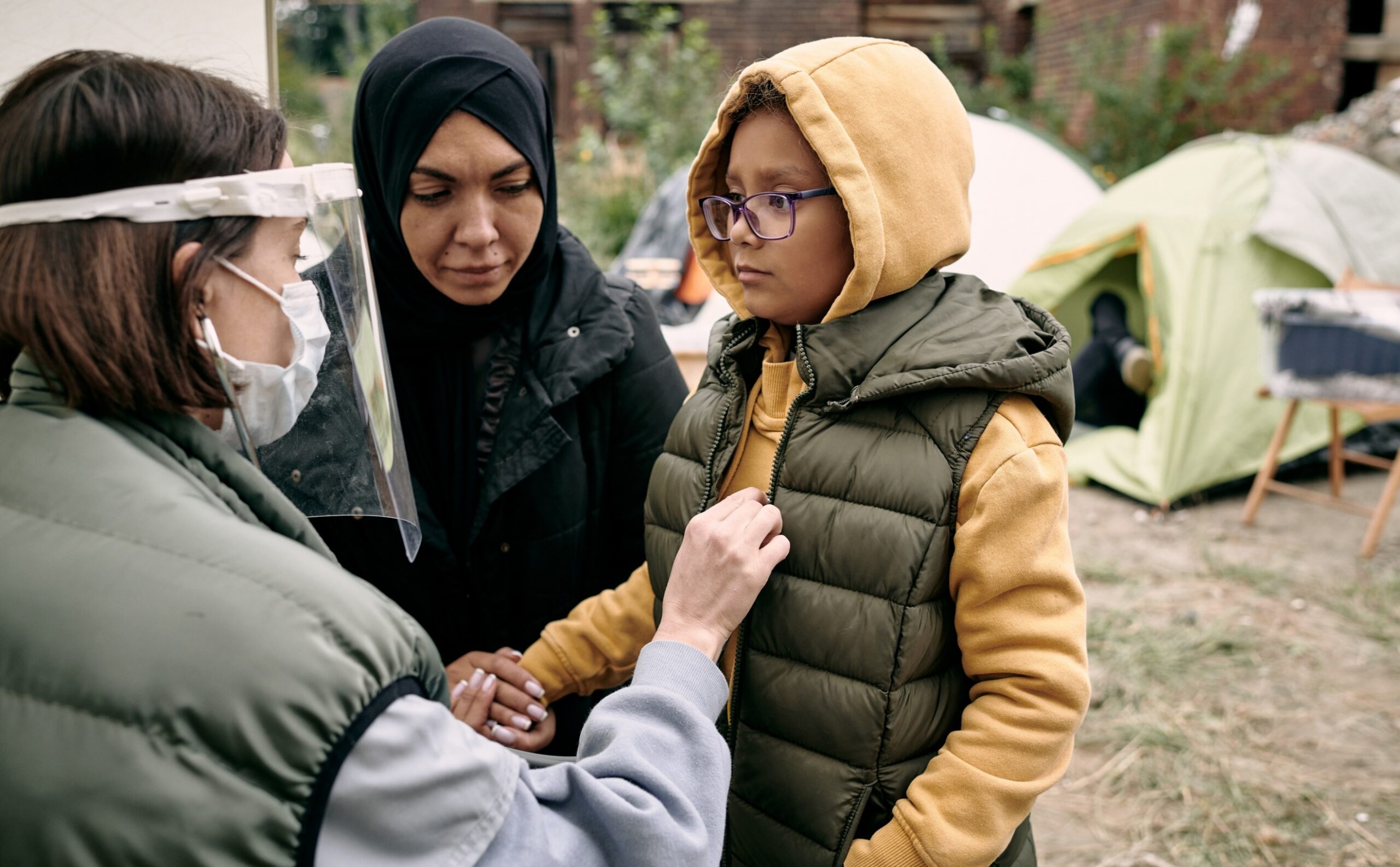
Women do not stop becoming pregnant, giving birth, experiencing miscarriage, menstruating or developing cancer when conflict begins. Nor do their needs for contraception, mental healthcare or treatment for chronic illness disappear when a country becomes unstable.
Yet those services can become some of the hardest to access precisely when women are at their most vulnerable.
A new editorial in The BMJ has called for greater protection of women’s health during conflict and instability, using Afghanistan and Gaza to illustrate how very different crises can have devastating consequences for women’s ability to access healthcare.
The circumstances in Afghanistan and Gaza are not the same, but both demonstrate how quickly women’s health can deteriorate when the systems and people needed to provide care are disrupted.
In Afghanistan, restrictions imposed on women and girls have created barriers extending into healthcare and the future healthcare workforce. Restrictions affecting women’s education and participation in public life risk creating a long-term shortage of female healthcare professionals at the same time as women can face difficulties accessing treatment from male practitioners.
The result is a potentially dangerous cycle. If women cannot train as healthcare professionals and female patients face restrictions or cultural barriers when seeking care from men, the number of professionals available to provide healthcare to women can continue to shrink.
That has implications far beyond reproductive health. Women need access to cancer diagnosis and treatment, mental healthcare, management of long-term conditions and emergency medicine as well as maternity and reproductive services.
Gaza demonstrates another way in which women’s healthcare can be placed under enormous pressure. Prolonged conflict, displacement and damage to healthcare infrastructure have made delivering ordinary maternity and reproductive healthcare extraordinarily difficult.
For pregnant women, the consequences of a collapsing or severely disrupted healthcare system can be particularly acute. Pregnancy continues regardless of whether a hospital is functioning, whether transport is available or whether medical supplies can reach healthcare professionals.
Women still go into labour. Babies still need to be delivered. Complications still happen.
Healthcare professionals working in conflict settings can therefore find themselves trying to provide care in circumstances far removed from those normally considered necessary for safe treatment, while women may be displaced from their homes and separated from the healthcare services they previously relied upon.
Sexual and reproductive healthcare can also become increasingly difficult to obtain. Access to contraception, menstrual products, antenatal care and services following miscarriage may be disrupted, while maintaining privacy and dignity becomes considerably harder for women living in temporary or overcrowded accommodation.
Mental health must also form part of the conversation. Conflict can expose women to bereavement, displacement, insecurity and violence while simultaneously weakening the healthcare services available to help them cope with those experiences.
The BMJ editorial argues that women’s healthcare should therefore be considered an essential part of humanitarian preparedness and response rather than something that can be restored once a crisis has passed.
That means thinking about women’s needs before healthcare systems reach breaking point. Maintaining maternity and reproductive services, protecting healthcare workers, ensuring access to essential medicines and preserving routes into care all become part of protecting health during an emergency.
It also means recognising the importance of female healthcare professionals.
In some communities, having women available to provide healthcare can directly affect whether female patients are able or willing to seek treatment. Protecting the education, training and employment of women in healthcare is therefore not simply a workforce issue. It can determine whether other women are able to access care at all.
The consequences can extend long after the immediate crisis has ended. Healthcare workers take years to train, damaged services cannot always be rebuilt quickly and interruptions to preventative care can mean diseases are diagnosed later. Missed education for future doctors, nurses and midwives can affect healthcare capacity for an entire generation.
Afghanistan and Gaza demonstrate different threats to women’s health, but the lesson connecting them is straightforward: women’s healthcare cannot be treated as optional during instability.
Humanitarian responses understandably focus on immediate survival. Food, water, shelter, emergency medicine and protection are fundamental. But women’s health needs exist within all of those priorities rather than alongside them.
A woman giving birth during a conflict does not have the option of waiting for stability. Someone experiencing a miscarriage cannot postpone treatment until a healthcare system has recovered. A woman who discovers a breast lump does not stop needing investigation because her country is experiencing a crisis.
Protecting women’s health therefore requires more than responding to emergencies as they occur. It means ensuring healthcare systems, humanitarian organisations and international responses anticipate the needs of women from the beginning.
Conflict changes almost everything about everyday life. What it does not change is the human need for healthcare.
For women caught within those crises, recognising that simple fact can be the difference between healthcare remaining available when it is desperately needed and women’s needs becoming another casualty of instability.
Posted by:
Mehala
Editorial Assistant – The Daily Round

Busy day? We’ve got you covered. Get FREE daily news, practical insights, opportunities and wellbeing content, carefully curated for busy health and social care professionals. Just enter your details below to get The Daily Briefing delivered straight to your inbox.
Busy day? We’ve got you covered. Get FREE daily news, practical insights, opportunities and wellbeing content, carefully curated for busy health and social care professionals. Just enter your details below to get The Daily Briefing delivered straight to your inbox.