
 newsdesk@dailyround.news
Industry Insight

Stay up to date with the latest health and social care news from across the UK. From breaking stories and sector updates to emerging trends, challenges and innovations shaping care.
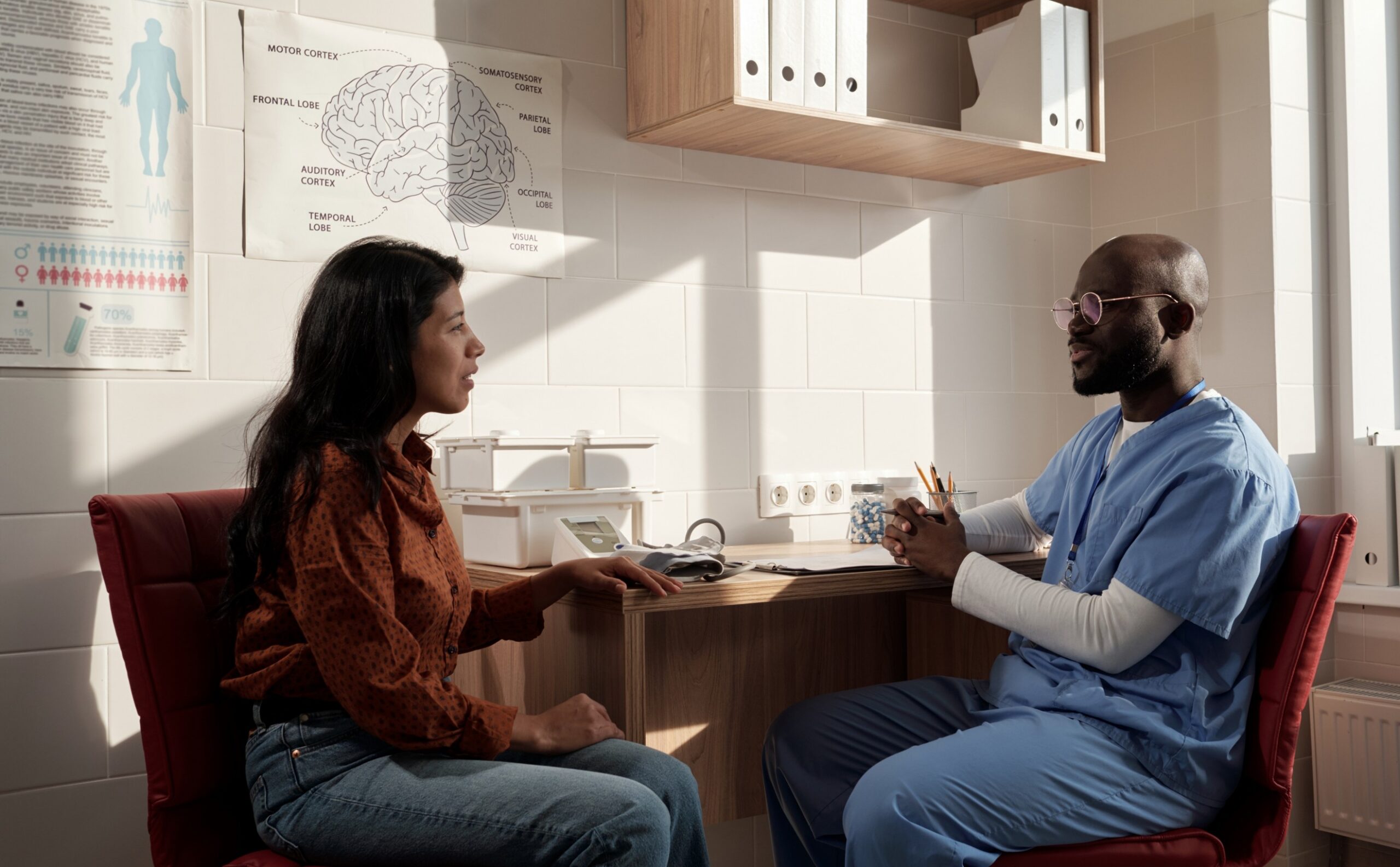
Adult survivors of child sexual abuse have suffered avoidable harm because mental health services have failed to provide appropriate care, the Royal College of Psychiatrists has acknowledged.
The College has issued a public apology alongside a new position statement calling for major changes to the way mental health services support adults who experienced sexual abuse during childhood.
It said survivors have faced decades of problems including inappropriate treatment, misdiagnosis and services that focus on individual symptoms without adequately recognising the impact of earlier trauma.
Some patients have also been re-traumatised by having to repeatedly recount their experiences during assessments, while others have struggled to have their experiences believed or properly understood.
Dr Lade Smith CBE, immediate past president of the Royal College of Psychiatrists, apologised for the avoidable harm experienced by survivors and said they deserved compassionate, person-centred and trauma-informed support.
The College said fragmented mental health services can make providing this type of care particularly difficult. Short episodes of treatment and limited therapy sessions can leave professionals without enough time to build the relationships needed for survivors to feel able to disclose abuse.
For some people, disclosure can take years or even decades. Around two-thirds of people sexually abused during childhood have not disclosed the abuse to services by the time they reach adulthood, while one in five never disclose it at all.
The long-term impact can be profound. Childhood sexual abuse is associated with an increased risk of conditions and difficulties including complex PTSD, depression, anxiety, eating disorders, self-harm and alcohol and drug misuse.
The Royal College’s position statement was developed with adult survivors of non-recent child sexual abuse and sets out recommendations covering clinical care, education and training, commissioning, research and national policy.
It is calling for mandatory training for mental health staff in trauma-informed care, national guidance on recognising and responding to disclosures of historic child sexual abuse and changes to services so people who need longer-term support can access it.
The College said improvements have been made, but acknowledged that much more needs to change to ensure survivors seeking help in adulthood receive care that recognises the lasting impact childhood sexual abuse can have.
Posted by:
Mehala
Editorial Assistant – The Daily Round




Sign up for FREE daily news, practical insights, opportunities and wellbeing support. Complete the short form below to personalise your experience with The Daily Round.
Sign up for FREE daily news, practical insights, opportunities and wellbeing support. Complete the short form below to personalise your experience with The Daily Round.