newsdesk@dailyround.news
UK News

<p>Stay up to date with the latest health and social care news from across the UK. From breaking stories and sector developments to the people, organisations and issues making the news.</p>
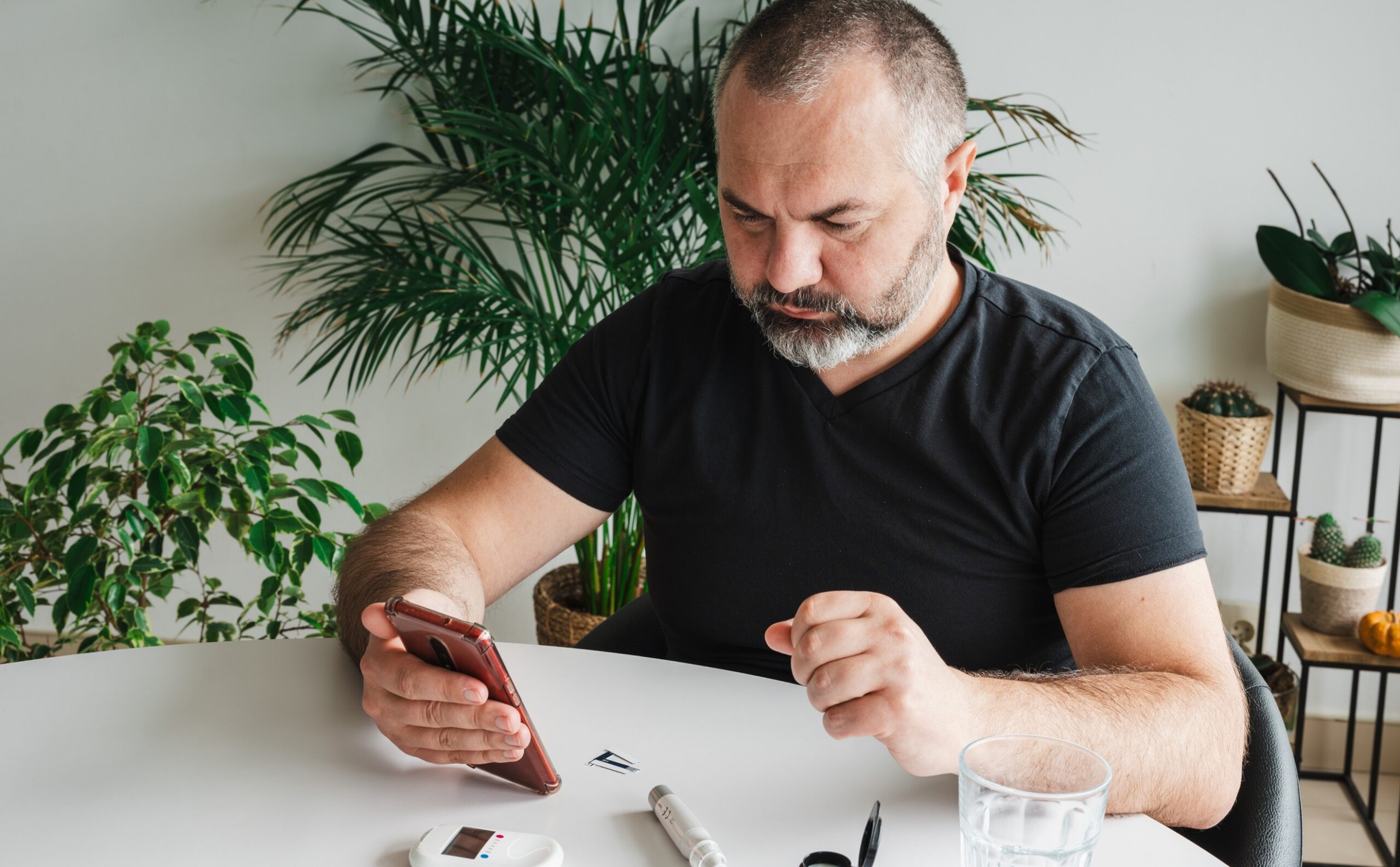
The growing commercial market for health checks and self-testing risks misleading healthy people, driving overdiagnosis and creating unnecessary pressure on healthcare services, experts have warned.
Writing in The BMJ, experts have raised concerns about the increasing availability of tests marketed directly to consumers, often promising reassurance, early detection or greater control over personal health.
While screening and diagnostic testing can play a vital role in identifying disease, testing people without symptoms or clear clinical indications can also uncover abnormalities that would never have caused illness or required treatment. This can result in overdiagnosis, where a person is given a medical diagnosis for a condition or abnormality that would not ultimately have harmed them.
The concern follows research published in The BMJ examining direct-to-consumer self-tests available on the UK high street. Researchers assessed 30 tests covering 19 conditions, including vitamin D deficiency, diabetes, thyroid problems, prostate health, menopause, HIV and bowel cancer. Only 14 of the tests provided information about their accuracy, while just eight included information on their packaging explaining who should or should not use them. Seven explained what consumers should do following their result.
Researchers also found that 18 of the 30 tests were considered high risk because of concerns surrounding the testing equipment, sampling process, instructions or interpretation of results. For 11 of the 19 conditions examined, using the tests as advertised was judged to be contrary to evidence-based guidance in at least some of the intended populations.
Accuracy claims were another concern. Twenty-four tests made claims about their performance, with 14 stating that they were at least 98% accurate. However, researchers found that much of the evidence supporting these claims was either unavailable publicly or of low quality. Experts have warned that testing people who have a low likelihood of disease increases the possibility that an abnormal result will not represent clinically significant illness.
False positive or unclear results can lead to anxiety and further medical investigations, while false negative results can provide inappropriate reassurance and potentially delay people from seeking medical attention.
There are also concerns about the wider impact on healthcare services if consumers take unexpected or difficult-to-interpret results to GPs for further investigation.
The UK market for self-testing is growing rapidly and is projected to generate around £660 million in revenue by 2030.
Calls for tighter oversight have already resulted in plans to strengthen regulation of self-testing products, including measures intended to prevent companies misleading consumers about a test’s purpose, safety or performance.
Experts are not arguing that all self-testing is harmful. Established screening programmes and appropriately used diagnostic tests can detect serious conditions earlier and improve outcomes.
Instead, the warning centres on indiscriminate commercial testing without sufficient evidence, clinical context or appropriate interpretation.
The growing popularity of private health checks and home testing reflects increasing public interest in preventative healthcare, but experts say more testing does not automatically mean better health.
The challenge is ensuring that tests offered to healthy people provide meaningful information that can improve outcomes without unnecessarily turning healthy individuals into patients.
Posted by:
Mehala
Editorial Assistant – The Daily Round

Busy day? We’ve got you covered. Get FREE daily news, practical insights, opportunities and wellbeing content, carefully curated for busy health and social care professionals. Just enter your details below to get The Daily Briefing delivered straight to your inbox.
Busy day? We’ve got you covered. Get FREE daily news, practical insights, opportunities and wellbeing content, carefully curated for busy health and social care professionals. Just enter your details below to get The Daily Briefing delivered straight to your inbox.