

Women's Health

Practical tips, guidance, and inspiration to support your physical, mental, and emotional wellbeing every day.
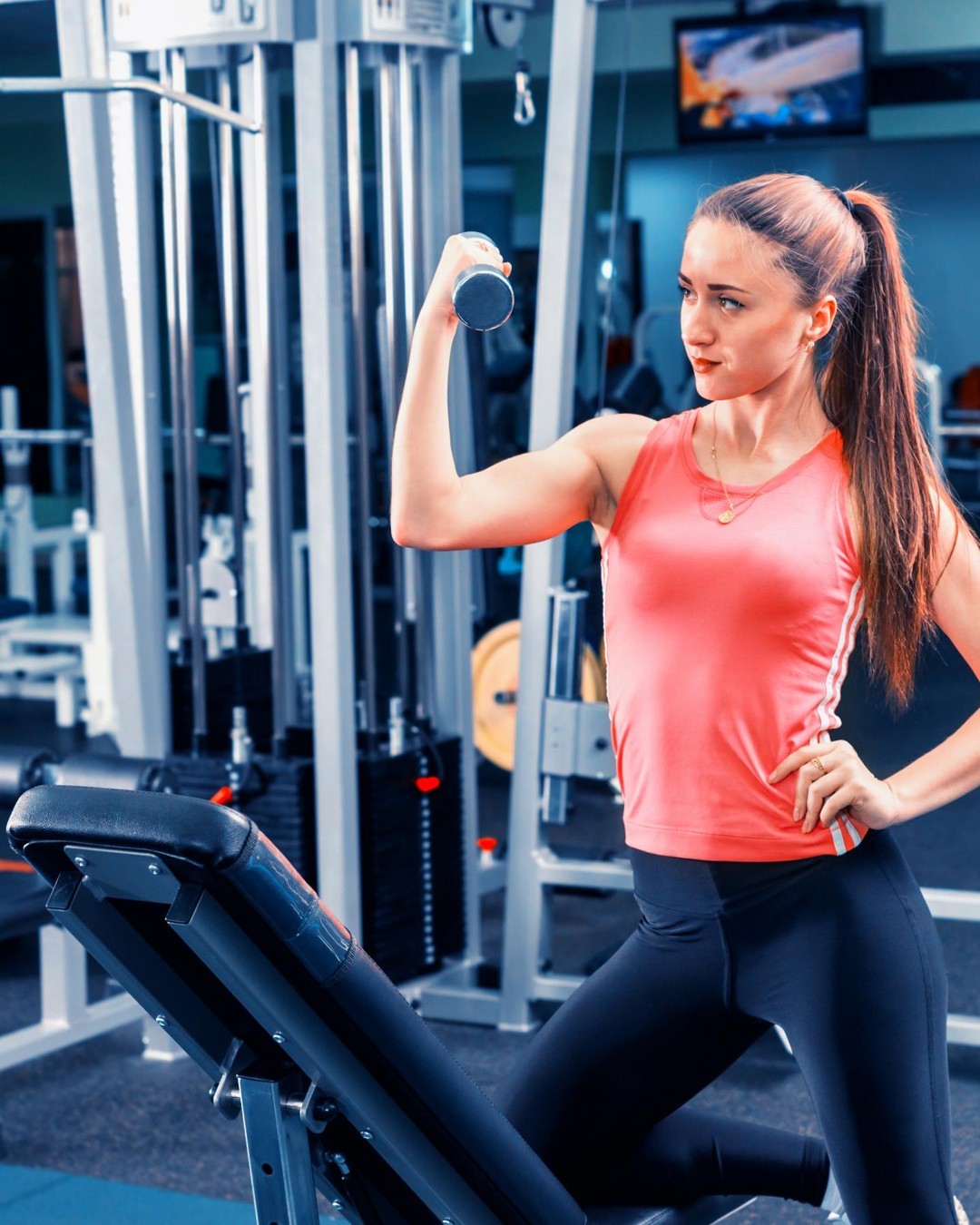



For decades, the fitness industry sold us a remarkably simple message: smaller was better. Diet plans promised to drop dress sizes, exercise programmes were marketed around burning as many calories as possible, and success was often measured by one number on the bathroom scales. But something interesting is happening in the wellness world. Increasingly, the conversation is moving away from simply weighing less and towards being stronger, and this might be one fitness trend actually worth paying attention to.
Strength training has become increasingly mainstream, particularly among women and people who might once have avoided the weights section of the gym altogether. At the same time, the huge rise in GLP-1 weight-loss medications has sparked a wider conversation about muscle preservation during weight loss. Rather than focusing exclusively on how many kilograms someone can lose, attention is increasingly turning towards body composition, physical strength and protecting the muscle we need throughout our lives.
And unlike plenty of wellness trends, getting stronger isn’t really about aesthetics. Muscle matters whether you’re 25, 45 or 75.
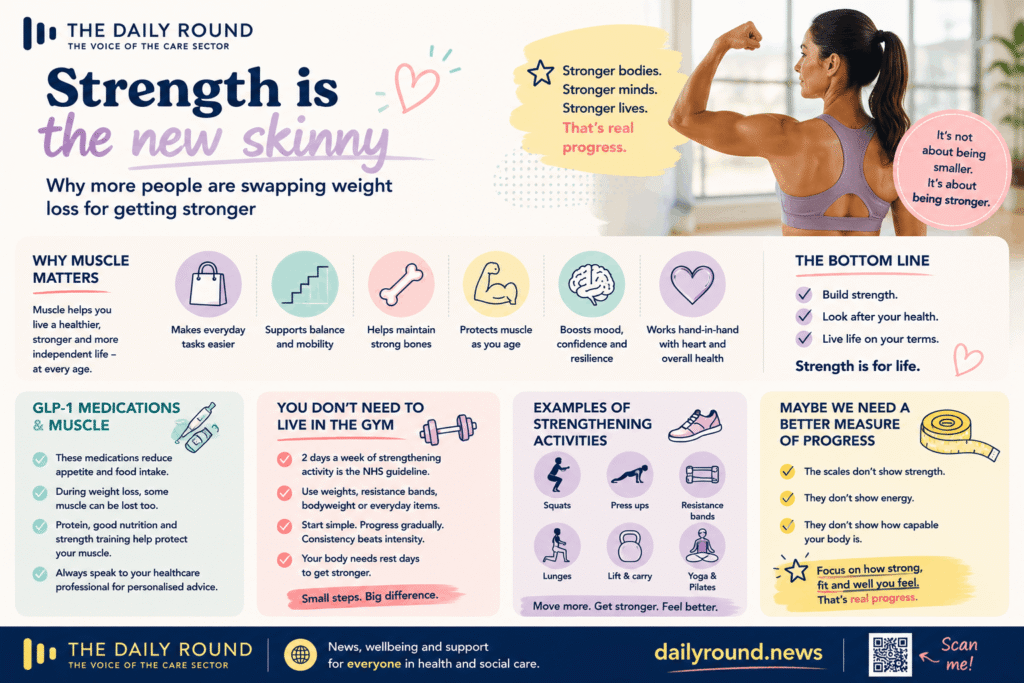
We tend to associate strength training with bodybuilders and gym culture, but muscle is fundamental to ordinary life. It’s what helps you carry the shopping, climb stairs, pick up a child, get out of a chair, lift a suitcase into the car and remain physically independent as you get older.
Adults naturally begin losing muscle mass and strength as they age, making maintaining muscle increasingly important through midlife and beyond. Resistance exercise can help preserve and build muscle while also supporting physical function. Strengthening activities also place demands on bones, which is one reason resistance and weight-bearing exercise form part of recommendations for maintaining musculoskeletal health.
There can be benefits much earlier in life too. Getting stronger can make everyday tasks easier, improve physical capability and complement cardiovascular exercise. And perhaps psychologically, there’s something refreshing about measuring progress by being able to lift something you couldn’t lift three months ago rather than whether you’ve managed to make yourself occupy less space.
The arrival of medications such as Wegovy and Mounjaro has transformed weight management and brought another issue into the spotlight: when somebody loses a significant amount of weight, not everything they lose is necessarily body fat. Some loss of lean mass can occur too.
That has made muscle preservation an increasingly important part of discussions surrounding GLP-1 treatment. Adequate nutrition, including sufficient protein, and appropriate physical activity can be important during weight loss, with resistance training receiving particular attention because of its role in maintaining and building muscle.
That doesn’t mean people using weight-loss medication suddenly need to become powerlifters. Nor does it mean everyone should be chasing an arbitrary protein target or copying somebody else’s workout from social media. Exercise needs to be appropriate for the individual, particularly where someone has an existing medical condition, injury or has previously been inactive.
But the broader message is useful even if you’ve never been anywhere near a GLP-1: losing weight and improving health aren’t necessarily the same thing, and the number on the scales doesn’t tell you how strong or physically capable you are.
One of the biggest misconceptions about strength training is that it requires enormous barbells, complicated equipment and several evenings a week surrounded by people drinking fluorescent pre-workout.
It doesn’t.
The NHS recommends adults undertake strengthening activities that work all the major muscle groups on at least two days each week. That can include lifting weights, but it can also include resistance-band exercises, bodyweight movements, yoga and other activities that challenge your muscles.
For someone starting from scratch, getting stronger might mean learning a handful of simple exercises and gradually increasing what they can do. Squatting to a chair, carrying shopping, using resistance bands or doing exercises against your own body weight can all form part of strength-focused activity. The aim isn’t to destroy yourself during every workout. Your body needs time to adapt and recover too.
Consistency matters considerably more than turning up once, attempting the workout of a professional athlete and then being unable to sit down comfortably for four days.
There is nothing inherently wrong with wanting to lose weight, and for some people weight reduction can form an important part of improving health. But we’ve spent an extraordinary amount of time treating weight as though it is the only meaningful measure of whether someone is becoming healthier.
What if progress also meant carrying all the shopping bags from the car without struggling? Walking up a flight of stairs more easily? Doing your first proper push-up? Feeling steadier on your feet? Increasing the weight you can comfortably lift? Having enough strength and energy to play with your children or grandchildren?
Those achievements don’t necessarily show up dramatically on the bathroom scales, but they can make a very real difference to everyday life.
Perhaps that’s why the shift towards strength feels different from so many wellness trends. It isn’t asking us to shrink ourselves, punish ourselves or spend our lives chasing a particular body shape. At its best, it’s about building a body that continues to work for us for as long as possible.
Medical Disclaimer: The information provided by Daily Round is for general informational and educational purposes only and should not be considered medical advice, diagnosis or treatment. Individual exercise and nutritional needs vary. Anyone with an existing medical condition, injury, concerns about their health or questions about exercising while taking medication should seek advice from an appropriately qualified healthcare professional before making significant changes to their exercise routine.
Register with The Daily Round for the latest sector news, inspections & reports, wellbeing content, workforce insights, expert features and practical updates—delivered free to your inbox.
Posted by:
M Ramalani
Editorial Assistant – The Daily Round
Busy day? We’ve got you covered. Get FREE daily news, practical insights, opportunities and wellbeing content, carefully curated for busy health and social care professionals. Just enter your details below to get The Daily Briefing delivered straight to your inbox.
 newsdesk@dailyround.news