
 newsdesk@dailyround.news
UK News

<p>Stay up to date with the latest health and social care news from across the UK. From breaking stories and sector developments to the people, organisations and issues making the news.</p>
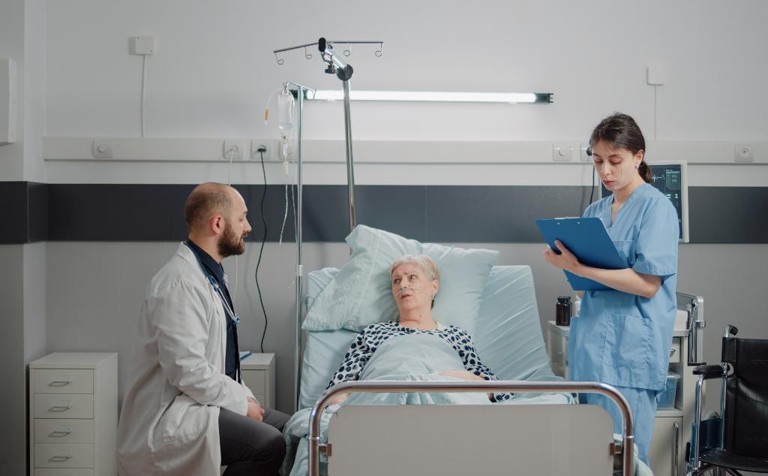
People diagnosed with motor neurone disease (MND) could receive faster access to health and social care support under proposed reforms designed to reduce delays in accessing essential services.
The recommendations include the introduction of a fast-track “passport” that would automatically trigger entitlement to a coordinated package of care following an MND diagnosis. The proposal aims to reduce the need for repeated assessments and ensure people receive equipment, care and support more quickly as the condition progresses.
The reforms were recommended by the Independent Commission for Adult Social Care and would mirror the Department for Work and Pensions’ Special Rules process already used for people with terminal illnesses. Under the proposal, patients would undergo assessments only where necessary, helping to minimise delays and reduce administrative burdens on families.
The Commission has also called for national timeframes for the provision of care and equipment, recognising that motor neurone disease is a rapidly progressive neurological condition in which delays can have a significant impact on quality of life. Campaigners say timely access to multidisciplinary care, specialist equipment and community support is essential to maintaining independence for as long as possible.
The Motor Neurone Disease Association has welcomed the proposals, describing the fast-track passport as a significant step towards ensuring people living with MND receive the support they need without unnecessary bureaucracy. The charity is urging the government to adopt the recommendations as part of wider reforms to adult social care.
Motor neurone disease affects around 5,000 adults in the UK at any one time. There is currently no cure, and the condition causes progressive damage to the nerves that control movement, affecting mobility, speech, swallowing and breathing.
Register with The Daily Round for the latest sector news, inspections & reports, wellbeing content, workforce insights, expert features and practical updates—delivered free to your inbox.
Posted by:
M Ramalani
Editorial Assistant – The Daily Round


Busy day? We’ve got you covered. Get FREE daily news, practical insights, opportunities and wellbeing content, carefully curated for busy health and social care professionals. Just enter your details below to get The Daily Briefing delivered straight to your inbox.
Busy day? We’ve got you covered. Get FREE daily news, practical insights, opportunities and wellbeing content, carefully curated for busy health and social care professionals. Just enter your details below to get The Daily Briefing delivered straight to your inbox.