
 newsdesk@dailyround.news
UK News

<p>Stay up to date with the latest health and social care news from across the UK. From breaking stories and sector developments to the people, organisations and issues making the news.</p>

Reducing waiting times for diagnostic tests remains one of the NHS’s biggest challenges, with hundreds of thousands of patients across England continuing to wait for investigations needed to confirm or rule out serious health conditions.
Diagnostic tests are often the gateway to treatment. Before many patients can begin cancer care, receive specialist intervention or access long-term treatment plans, they must first undergo diagnostic investigations to determine the cause of their symptoms.
While NHS leaders report ongoing improvements in diagnostic capacity, demand continues to place significant pressure on services.
Diagnostic tests help healthcare professionals identify, confirm or monitor medical conditions.
Some of the most common tests contributing to waiting lists include:
These investigations play a critical role in diagnosing conditions such as cancer, cardiovascular disease, neurological disorders, gastrointestinal conditions and respiratory illnesses.
For many people, waiting for a diagnosis can be one of the most difficult stages of their healthcare journey.
Research has consistently shown that uncertainty surrounding possible diagnoses can contribute to increased anxiety, stress and reduced quality of life.
Patients are often left waiting not only for answers, but also for decisions about treatment, support and future care.
Healthcare charities have repeatedly highlighted the emotional impact of prolonged waiting periods, particularly where cancer or other serious illnesses are being investigated.
Early diagnosis can significantly improve outcomes across a range of health conditions.
In cancer care, earlier diagnosis is often associated with more treatment options and improved survival rates.
For many long-term conditions, timely diagnosis can help patients access support sooner, reduce complications and improve quality of life.
NHS England has identified earlier diagnosis as a key priority within its wider recovery and transformation programmes.
The NHS has introduced several initiatives aimed at increasing diagnostic capacity and reducing waiting times.
These include:
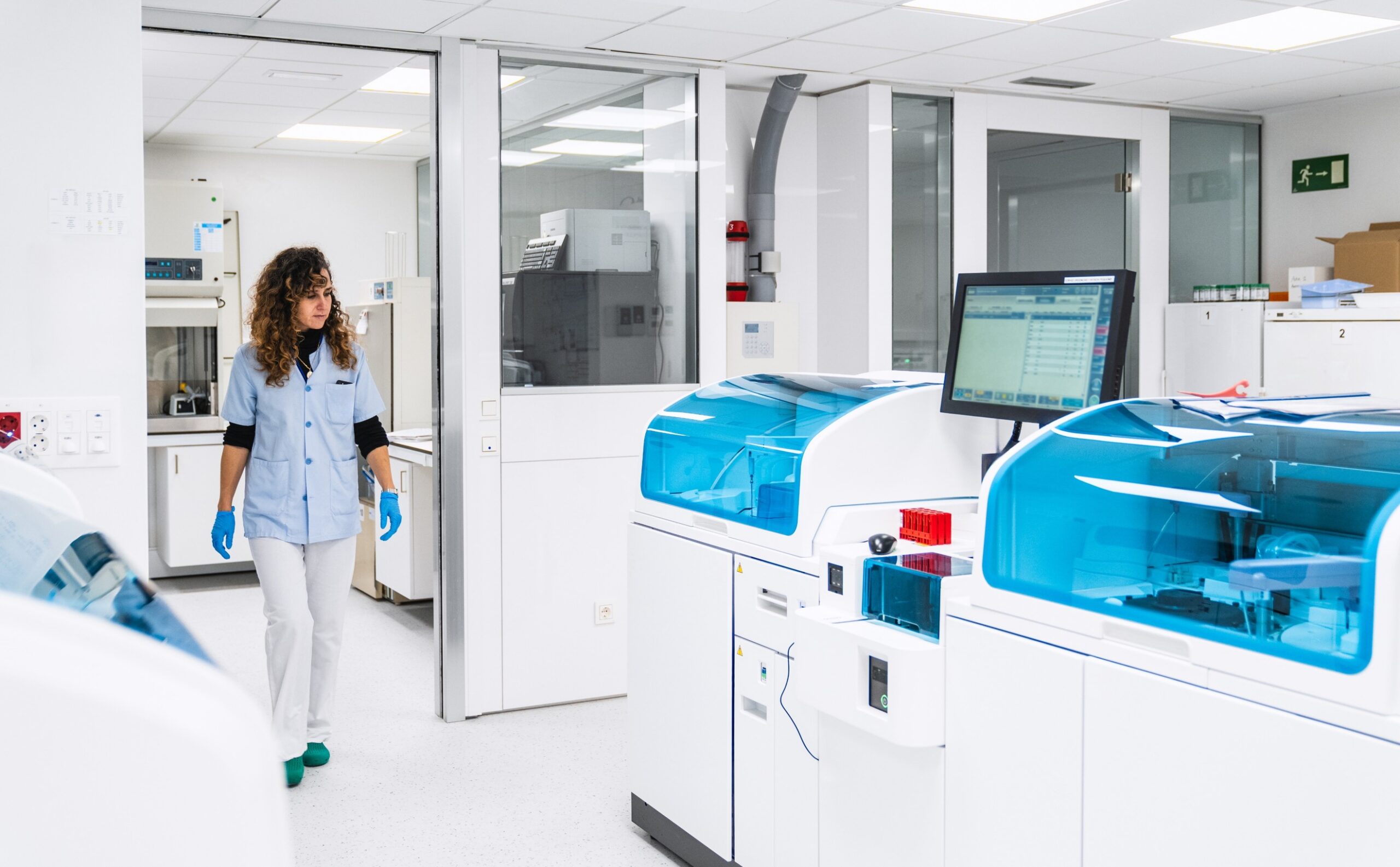
One of the most significant developments has been the rollout of Community Diagnostic Centres (CDCs). These centres are designed to provide easier access to diagnostic testing closer to where people live, reducing pressure on acute hospital sites and increasing the number of appointments available.
Community Diagnostic Centres now provide millions of additional tests each year across England.
NHS organisations continue to invest in:
Healthcare leaders hope these measures will help improve access while reducing variation between regions.
Behind the scenes, NHS procurement and commissioning teams play a significant role in efforts to address diagnostic backlogs.
Across the health system, procurement teams have been involved in sourcing:
The NHS Supply Chain and individual NHS trusts continue to work with suppliers to increase capacity, modernise diagnostic services and support long-term recovery plans.
Procurement activity has become increasingly focused on improving access, reducing bottlenecks and supporting earlier diagnosis through investment in technology and service delivery models.
Delays in diagnosis do not only affect hospitals.
People receiving care and support in community settings, residential care services, home care services and supported living environments may experience prolonged uncertainty while awaiting investigations.
A delayed diagnosis can affect care planning, treatment decisions, support needs assessments and wider wellbeing outcomes.
As healthcare increasingly focuses on earlier intervention and integrated care, social care providers and community healthcare organisations have an important role in supporting people through the diagnostic process and helping them access services when required.
NHS leaders have made reducing diagnostic waiting times a key priority, recognising that faster access to testing is essential for improving patient outcomes.
While significant progress has been made through Community Diagnostic Centres and expanded capacity, demand for services remains high.
For patients, faster access to diagnostic tests means more than shorter waiting lists. It means quicker answers, earlier treatment and greater certainty at what can often be one of the most stressful periods of a healthcare journey.
This article is intended for information purposes only. Statistics and waiting list figures should be verified against the latest NHS England diagnostic waiting times publication before publication.
Posted by:
Mehala
Editorial Assistant – The Daily Round


Busy day? We’ve got you covered. Get FREE daily news, practical insights, opportunities and wellbeing content, carefully curated for busy health and social care professionals. Just enter your details below to get The Daily Briefing delivered straight to your inbox.
Busy day? We’ve got you covered. Get FREE daily news, practical insights, opportunities and wellbeing content, carefully curated for busy health and social care professionals. Just enter your details below to get The Daily Briefing delivered straight to your inbox.