newsdesk@dailyround.news
Global Care Stories

Discover the latest international news and developments affecting health and social care worldwide. From rising measles cases in the US to major global events, including the death of the world’s youngest reigning monarch at 34, explore the stories shaping communities and making headlines around the world.
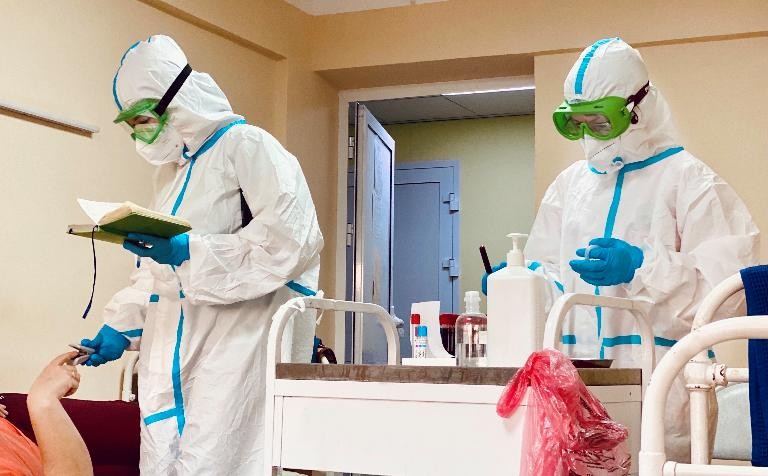
The Ebola outbreak in the eastern Democratic Republic of the Congo (DRC) has become the fastest-growing in the history of the disease, according to health authorities, with the number of confirmed cases rising rapidly since the outbreak was declared in May. The outbreak is caused by the Bundibugyo strain of the Ebola virus, for which there are currently no approved vaccines or specific treatments.
As of 31 July, the DRC had reported more than 3,500 confirmed cases and over 1,500 deaths, making it the second-largest Ebola outbreak ever recorded after the 2014–2016 epidemic in West Africa. The World Health Organization (WHO) has warned that the true number of infections could be significantly higher because insecurity and limited surveillance mean many cases are likely to go undetected.
The outbreak is centred in Ituri province but has spread to several other provinces in eastern DRC. Health officials say the response is being hampered by armed conflict, population displacement, community mistrust, poor access to some affected areas and shortages of funding and healthcare workers. Recent strikes by some frontline health staff over unpaid wages have also disrupted treatment and surveillance activities in parts of the outbreak zone.
The WHO, Africa Centres for Disease Control and Prevention (Africa CDC) and humanitarian organisations continue to support the response through case finding, contact tracing, laboratory testing, infection prevention measures and community engagement. Clinical trials of an experimental vaccine for the Bundibugyo strain have also begun, although no licensed vaccine or antiviral treatment currently exists for this strain of the virus.
Despite the scale of the outbreak, the WHO continues to assess the global public health risk as low, while warning that the situation within the affected region remains severe. International health agencies say additional funding, improved security and sustained community engagement will be critical to slowing transmission and preventing further spread.
Posted by:
K Jadon
Editorial Assistant – The Daily Round


Busy day? We’ve got you covered. Get FREE daily news, practical insights, opportunities and wellbeing content, carefully curated for busy health and social care professionals. Just enter your details below to get The Daily Briefing delivered straight to your inbox.
Busy day? We’ve got you covered. Get FREE daily news, practical insights, opportunities and wellbeing content, carefully curated for busy health and social care professionals. Just enter your details below to get The Daily Briefing delivered straight to your inbox.