newsdesk@dailyround.news
UK News

<p>Stay up to date with the latest health and social care news from across the UK. From breaking stories and sector developments to the people, organisations and issues making the news.</p>

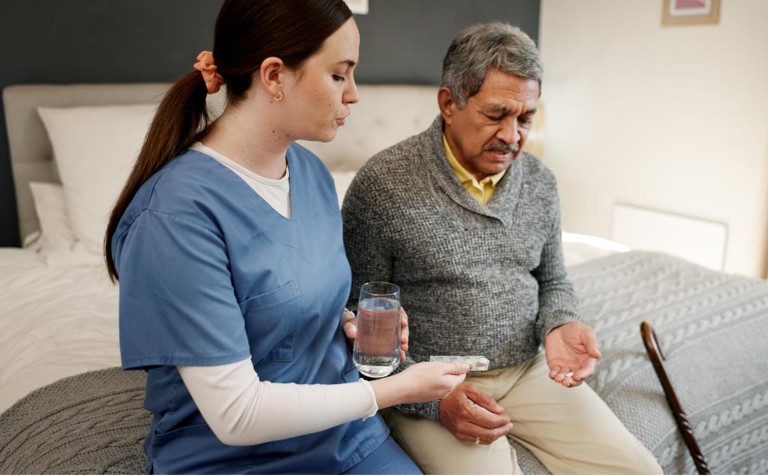
People aged 80 and over are more likely than any other age group to spend more than 12 hours in England’s emergency departments, according to new analysis of NHS data, highlighting the continued pressure on urgent and emergency care services and the particular impact on older patients.
The analysis found that the likelihood of prolonged waits increases with age, with patients in their 80s and 90s disproportionately affected. Older adults are more likely to have multiple long-term conditions, require specialist assessment and need admission to hospital, making delays in transferring patients from emergency departments more likely when inpatient beds are unavailable.
Emergency care leaders have repeatedly warned that extended stays in overcrowded emergency departments can increase the risk of complications for older people, including delirium, falls, hospital-acquired infections and loss of mobility. Previous analysis by the Office for National Statistics found that patients who spent more than 12 hours in an emergency department were more than twice as likely to die within 30 days as those seen within two hours, after adjusting for other factors.
The findings come as NHS England continues to work towards improving urgent and emergency care performance. Latest national figures show that almost 49,000 patients waited more than 12 hours from the decision to admit to being transferred to a hospital bed in June 2026, while four-hour performance remains below the national operational standard.
Health organisations, including the Royal College of Emergency Medicine, have consistently argued that reducing long waits will require improvements in patient flow across hospitals, increased bed capacity, faster discharge processes and stronger community and social care services to help free up hospital beds for patients waiting in emergency departments.
Posted by:
M Ramalani
Editorial Assistant – The Daily Round



Busy day? We’ve got you covered. Get FREE daily news, practical insights, opportunities and wellbeing content, carefully curated for busy health and social care professionals. Just enter your details below to get The Daily Briefing delivered straight to your inbox.
Busy day? We’ve got you covered. Get FREE daily news, practical insights, opportunities and wellbeing content, carefully curated for busy health and social care professionals. Just enter your details below to get The Daily Briefing delivered straight to your inbox.