

Everyday Wellbeing

Advice, information, and resources to help women navigate every stage of life, supporting both physical and mental wellbeing.

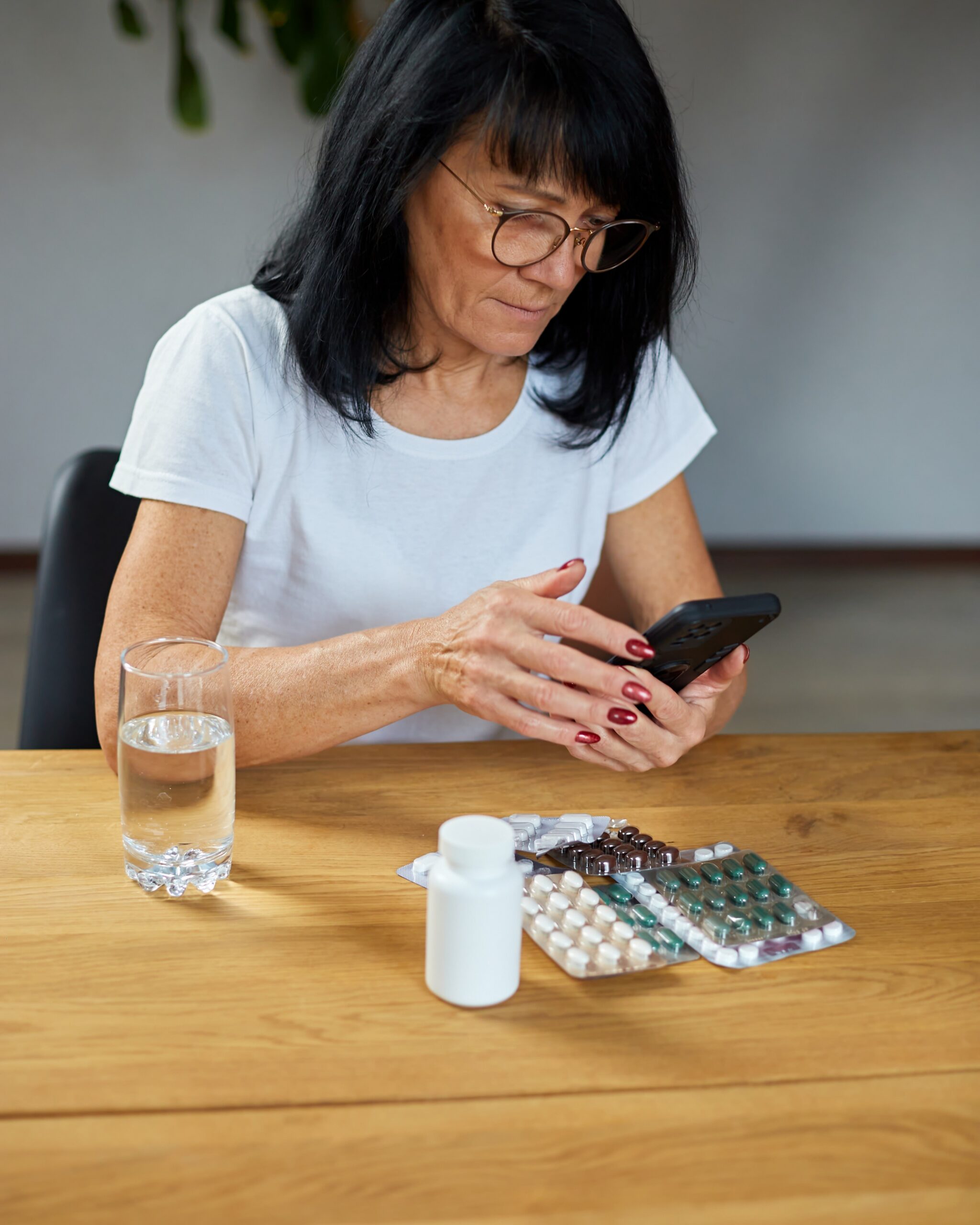


For many people, enjoying an occasional alcoholic drink is part of socialising or relaxing. However, alcohol affects women’s bodies differently to men’s, and even moderate drinking can have an impact on long-term health.
Understanding these differences can help women make informed decisions about their alcohol consumption.
Women generally have a higher proportion of body fat and less body water than men of a similar size. This means alcohol becomes more concentrated in the bloodstream.
Women also produce lower levels of an enzyme that helps break down alcohol before it enters the bloodstream, meaning its effects may be felt more quickly and last longer.
As a result, women may experience greater health risks from lower levels of alcohol consumption compared with men.
Drinking alcohol regularly can increase the risk of several health conditions, including:
Research has shown that the risk of some cancers increases with alcohol consumption, even at relatively low levels. The more alcohol consumed over time, the greater the overall risk.
Many women notice that alcohol affects them differently during perimenopause and menopause.
For some, alcohol may:
Reducing alcohol intake may help improve these symptoms for some women.
Although alcohol can initially make people feel relaxed, it is a depressant. As the alcohol leaves the body, it can contribute to:
Women experiencing stress, anxiety or menopause-related mood changes may notice these effects more clearly.
Alcohol contains calories but provides little nutritional value.
Regular drinking may contribute to weight gain by:
Many alcoholic drinks also contain significant amounts of sugar.
In the UK, the Chief Medical Officers advise that both men and women should drink no more than 14 units of alcohol per week on a regular basis.
If you drink up to this amount, it is recommended that you:
There is no completely risk-free level of alcohol consumption, but drinking less reduces the risk of alcohol-related harm.
If you would like to reduce your alcohol intake, you could try:
Even small reductions can have positive effects on health.
If alcohol is affecting your physical health, mental wellbeing, relationships or daily life, support is available.
Speak to your GP or healthcare professional if you:
Early support can make a significant difference, and there are a range of confidential services available to help.
Many women choose to drink alcohol without experiencing immediate health problems, but understanding the potential risks allows people to make informed decisions about their health.
Whether you choose to drink regularly, occasionally or not at all, being aware of alcohol’s effects can help support your long-term wellbeing.
This article is intended for general information only and should not be considered medical advice. It should not be used to diagnose or treat any medical condition. If you are concerned about your alcohol consumption or its impact on your health, speak to your GP or another qualified healthcare professional. If you believe you or someone else is experiencing an alcohol-related medical emergency, seek immediate medical assistance.
This article is part of our Women’s Health series, created to support the people who dedicate their careers to caring for others.
Over the coming months, we’ll be expanding our Lifestyle section with practical advice, expert insights, book and podcast recommendations, money-saving ideas, travel inspiration, health features and everyday wellbeing content designed specifically for those working across health and social care.
Register with The Daily Round to receive the latest articles, wellbeing resources and sector news delivered straight to you.
Most importantly, we want this to be your community. Tell us what matters most to you, suggest topics you’d like us to cover and share your feedback so we can create content that is genuinely useful, relevant and shaped by the people who work in the sector every day. We are always listening at newsdesk@dailyround.news
Women looking to support their overall wellbeing can also view this Everyday Wellbeing guide for further practical advice, while those exploring women’s health can view this guide on postnatal PTSD and women’s mental health and view this guide on why women often put everyone else’s health first for further insights and support.
Posted by:
K Jadon
Editorial Assistant – The Daily Round
Busy day? We’ve got you covered. Get FREE daily news, practical insights, opportunities and wellbeing content, carefully curated for busy health and social care professionals. Just enter your details below to get The Daily Briefing delivered straight to your inbox.
 newsdesk@dailyround.news