newsdesk@dailyround.news
UK News

<p>Stay up to date with the latest health and social care news from across the UK. From breaking stories and sector developments to the people, organisations and issues making the news.</p>
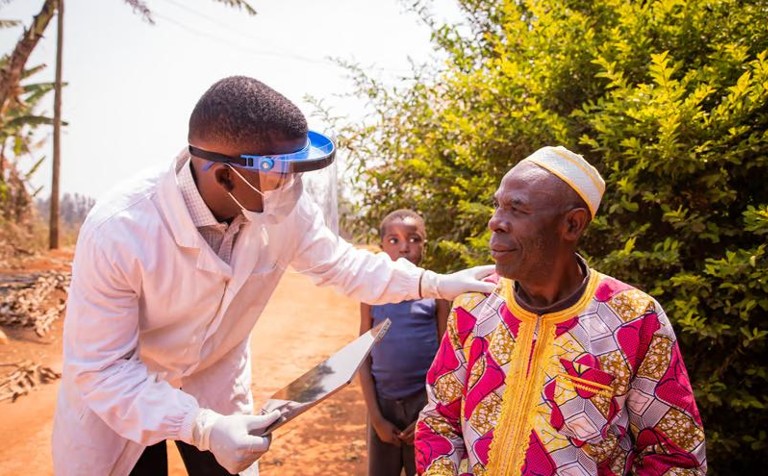
A UK humanitarian worker has been medically evacuated from the Democratic Republic of the Congo (DRC) to London after a potential exposure to Ebola while supporting the country’s outbreak response.
The individual, who had been working with a humanitarian organisation treating Ebola patients, is not displaying any symptoms and is reported to be well. As a precaution, they are being assessed and monitored in isolation by infectious disease specialists at a London hospital throughout the virus’s potential incubation period, which can last between two and 21 days.
The UK Health Security Agency (UKHSA) said the evacuation was carried out as a precautionary measure in collaboration with international partners. Officials stressed that there are currently no confirmed cases of Ebola in the UK and that the risk to the public remains low.
The evacuation comes as the DRC continues to respond to an outbreak of Bundibugyo ebolavirus, a strain for which there is currently no licensed vaccine or specific treatment. The World Health Organization (WHO) has warned that controlling the outbreak is particularly challenging because it is affecting areas experiencing humanitarian instability and high levels of population movement.
Ebola is transmitted through direct contact with the blood or other bodily fluids of an infected person, or through contaminated materials. Early symptoms typically include fever, fatigue, muscle pain, headache and sore throat, which may progress to vomiting, diarrhoea and, in severe cases, organ failure and bleeding. It is not spread through the air.
Health authorities have emphasised that the UK’s specialist infectious disease procedures are designed to safely manage situations like this and that the evacuation reflects established infection prevention measures rather than confirmation of illness.
Posted by:
Mehala
Editorial Assistant – The Daily Round

Busy day? We’ve got you covered. Get FREE daily news, practical insights, opportunities and wellbeing content, carefully curated for busy health and social care professionals. Just enter your details below to get The Daily Briefing delivered straight to your inbox.
Busy day? We’ve got you covered. Get FREE daily news, practical insights, opportunities and wellbeing content, carefully curated for busy health and social care professionals. Just enter your details below to get The Daily Briefing delivered straight to your inbox.