newsdesk@dailyround.news
Global Care Stories

Discover the latest international news and developments affecting health and social care worldwide. From rising measles cases in the US to major global events, including the death of the world’s youngest reigning monarch at 34, explore the stories shaping communities and making headlines around the world.
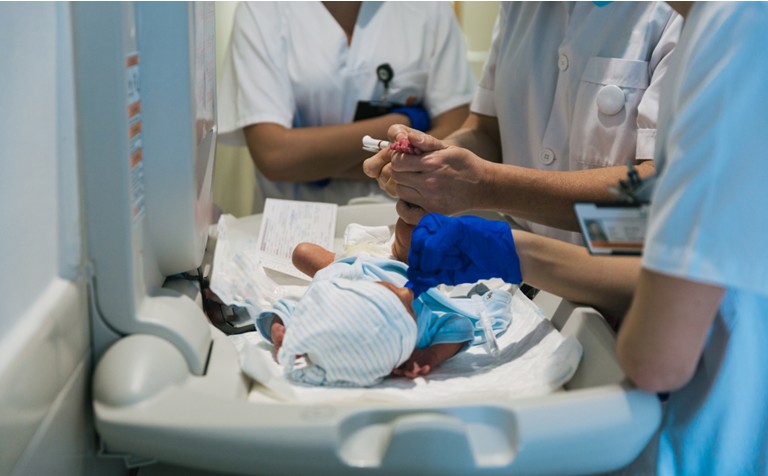
A Brisbane family has welcomed four identical baby girls following a naturally conceived pregnancy estimated to occur in around one in 15 million cases.
Emily, Harriet, Alexa and Catherine Na’amoana were born by caesarean section at the Royal Brisbane and Women’s Hospital in Queensland on 14 July 2026.
The girls were delivered at 28 weeks and four days’ gestation and are being cared for in the hospital’s neonatal intensive care unit, where they are reported to be doing extremely well.
The quadruplets developed from a single fertilised egg that divided into four embryos, making them monozygotic, or identical, quadruplets. All four babies also shared a single placenta, adding a further level of complexity to what was already considered an extremely high-risk pregnancy.
Doctors involved in the family’s care believe it may be the first known case of spontaneously conceived identical quadruplets sharing one placenta in Australia. However, because historical cases may not have been formally documented, it is safest to describe the birth as a believed Australian first rather than making a definitive claim.
Their mother, Jenitar Na’amoana, was monitored by the hospital’s maternal foetal medicine team from around 10 weeks into the pregnancy. She was admitted to hospital at 25 weeks because of an increased risk of premature labour.
Regular scans were used to monitor the babies’ growth and blood flow because sharing a placenta can increase the risk of serious complications.
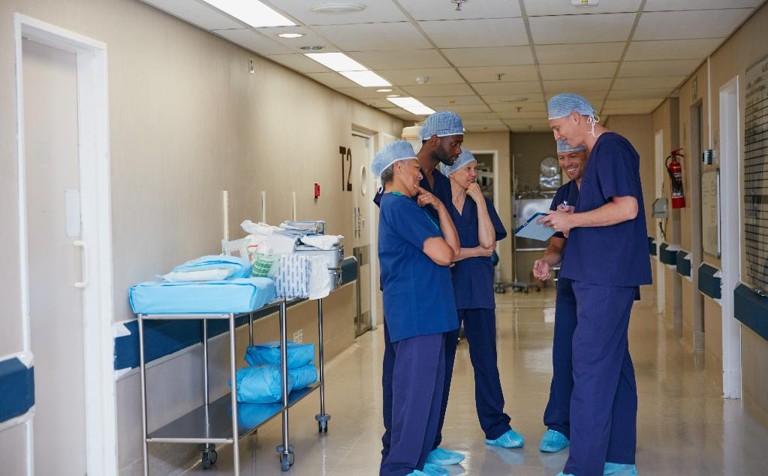
Around 20 healthcare professionals supported the delivery, including midwives, obstetric and anaesthetic staff, theatre nurses and four separate neonatal teams—one for each baby. The girls weighed between 1,025 grams and 1,151 grams at birth.
The hospital reported that both Jenitar and her daughters were doing well following the delivery. The babies are expected to remain in neonatal care while they continue to grow and become stronger. The birth has also highlighted the specialist work carried out by maternal foetal medicine and neonatal teams in managing complex and high-risk pregnancies.
One of the babies, Alexa, was named after Dr Alexa Bendall, the maternal foetal medicine specialist who cared for the family throughout the pregnancy. The family, who already had four children, are now preparing for life as a family of ten.
Sources: Metro North Health, Royal Brisbane and Women’s Hospital; ABC News Australia; Associated Press.
Posted by:
Mehala
Editorial Assistant – The Daily Round
Busy day? We’ve got you covered. Get FREE daily news, practical insights, opportunities and wellbeing content, carefully curated for busy health and social care professionals. Just enter your details below to get The Daily Briefing delivered straight to your inbox.
Busy day? We’ve got you covered. Get FREE daily news, practical insights, opportunities and wellbeing content, carefully curated for busy health and social care professionals. Just enter your details below to get The Daily Briefing delivered straight to your inbox.